
The Dark Origins of Phoenix Park: Understanding Its Historical Context and Transformation
Phoenix Park, located in Ireland, holds a complex narrative woven with dark origins that reveal essential aspects of its early history and socio-political significance. Established in the 17th century, the park’s inception was not merely as a public green space but as a hunting ground for the English administration, symbolizing authority and colonial control over Irish lands. This initial phase marked a period where Phoenix Park echoed the tensions between British rulers and Irish communities, embedding it deeply with historical conflicts that shaped Ireland’s colonial past.
During this era, Phoenix Park’s development followed a transformation model that reflected broader European landscaping trends, intertwined with the assertion of power through physical space. Its vast expanse was deliberately designed to serve dual purposes: both recreational and emblematic of ruling-class dominance. The park’s layout, featuring expansive grasslands, tree-lined avenues, and enclosed deer enclosures, represented a calculated effort to manipulate the natural environment as a tool for political expression and social stratification.
An illustrative example of the park’s early role occurred in the 18th and 19th centuries when it was largely restricted to the Anglo-Irish aristocracy and government officials. This exclusivity contributed to the social divide in Dublin, as access was largely denied to the native Irish populace. It was a physical manifestation of disparity—linking space usage to identity and power—a tangible reflection of the untold story behind Phoenix Park’s inception.
Moreover, this period was marked by notable violent incidents highlighting Phoenix Park’s turbulent past. The park was the site of the infamous Phoenix Park Murders of 1882, when two senior British officials were assassinated by a radical Irish nationalist group, the Irish National Invincibles. This critical event exposed the highly charged atmosphere surrounding Ireland’s struggle for independence, using Phoenix Park as an unwilling stage for political dissent and upheaval.
Understanding these dark origins is vital to appreciating Phoenix Park not just as a scenic landmark but as a symbol of Ireland’s complex history of colonization, resistance, and transformation. The park encapsulated a battleground of identities and ideologies, setting a foundation for its evolution into a space for broader societal engagement and cultural convergence.
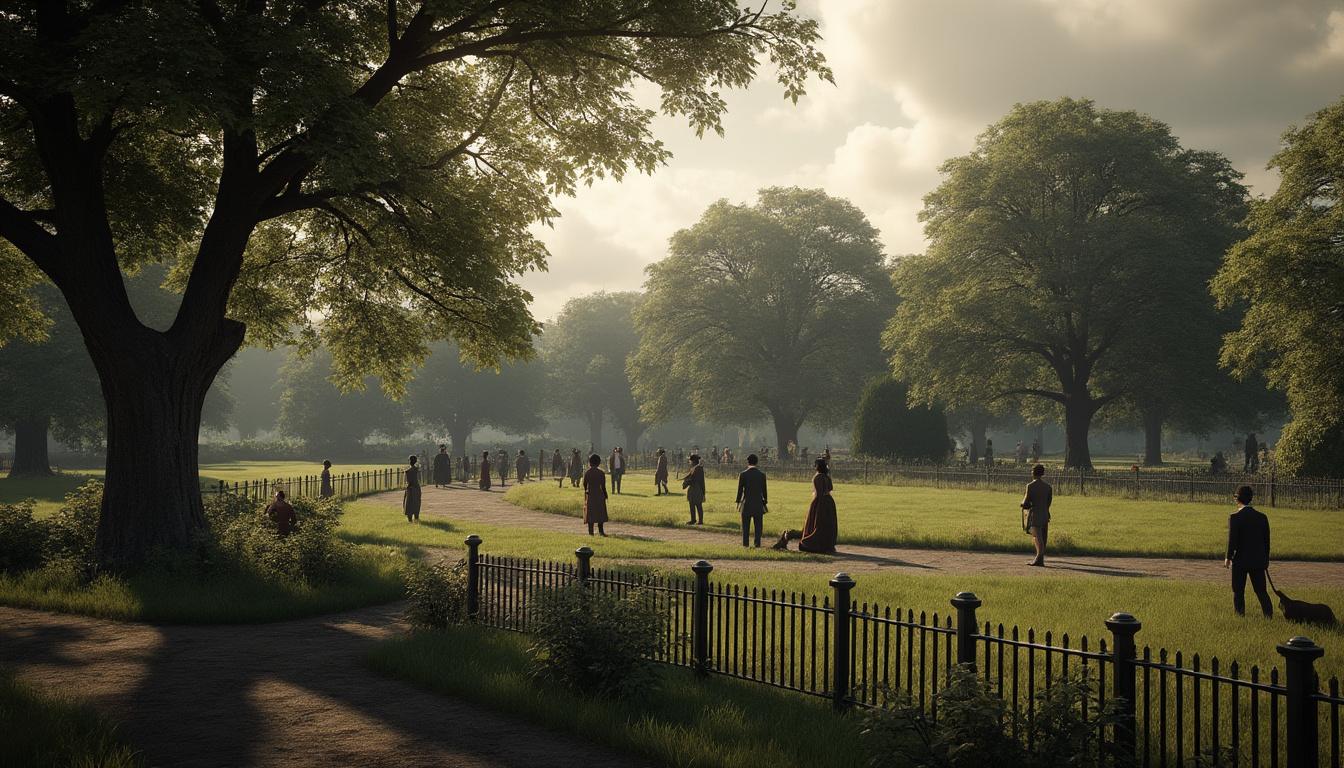
Grand Celebrations and Contemporary Uses: How Phoenix Park Became a Cultural Hub
Over centuries, Phoenix Park has undergone a remarkable transformation from a symbol of colonial power to a venue of grand celebrations embraced by Irish society at large. Today, it stands as one of Europe’s largest urban parks, cherished not only for its natural beauty but also for its deep-seated cultural significance and role in public life.
Modern Phoenix Park functions as a vibrant epicenter for events ranging from state ceremonies to popular public festivities, reflecting Ireland’s rich heritage and social inclusiveness. Annual occurrences such as open-air concerts, cultural festivals, and sporting events harness the park’s vast landscapes to engage communities and visitors. These grand celebrations enable a shared experience that contrasts sharply with the park’s historically exclusive beginnings.
A prominent example is the park’s role in hosting international diplomatic events and presidential inaugurations, where the grounds offer a majestic backdrop symbolizing a unified Irish identity. Additionally, local festivals and mass gatherings—spanning from St. Patrick’s Day celebrations to cultural heritage weeks—underscore the park’s indispensability as a communal gathering space fostering social cohesion.
Recent years have witnessed further efforts to integrate technological innovations within Phoenix Park, enhancing visitor experience through smart tourism solutions. These include mobile apps offering augmented reality tours, GPS-guided historic trails, and immersive audio guides that narrate the untold story of the park’s past, blending heritage with cutting-edge visitor engagement strategies. Such advancements exemplify Phoenix Park’s ongoing evolution as a modern cultural landmark that respects tradition while embracing the future.
In corroboration with these developments, local authorities have prioritized sustainable landscaping practices—balancing ecological preservation with public access—to ensure that the park maintains its natural allure amid increasing visitor numbers. This scale of maintenance and modernization anchors Phoenix Park firmly as a versatile and cherished Irish treasury where heritage lives on in multiple dimensions, accessible to all.
Landscaping and Heritage Conservation: The Role of Design in Phoenix Park’s Identity
Landscaping at Phoenix Park is a cornerstone of its unique identity, fusing natural beauty with historical context to preserve and communicate its heritage. Over the centuries, this expansive green space has been carefully curated to support the balance between recreational utility and cultural preservation.
The park’s landscaping design integrates both classical European garden principles and indigenous Irish flora, creating an environment that honors its geographical and historical roots while fostering biodiversity. Core design elements include the formal tree-lined avenues, expansive lawns, and strategically placed monuments, each narrating facets of the park’s rich past. Such compositions serve dual purposes: offering aesthetic pleasure and acting as living archives of Ireland’s complex societal evolution.
A detailed table highlighting key landscaping features of Phoenix Park illustrates its multifaceted design approach:
| 🌳 Feature | 🌿 Description | 🎯 Purpose |
|---|---|---|
| Tree-lined Avenues | Long rows of native and ornamental trees such as oak and beech | Create visual corridors and historical walking paths |
| Deer Enclosures | Fenced areas preserving wild fallow deer dating back to the park’s origins | Maintain historical fauna and sustain biodiversity |
| Monuments and Statues | Memorials dedicated to key historical figures and events linked to Ireland’s heritage | Preserve cultural memory and educate visitors |
| Open Lawns and Event Spaces | Extensive grass areas designed for public gatherings and celebration activities | Support community events and festivals enhancing social inclusion |
This meticulous landscaping serves as a pivotal tool in storytelling, allowing visitors not only to enjoy the natural setting but also to grasp the historical narratives embedded within the grounds. It complements digital storytelling methods used through innovative platforms, such as those showcased in Grupem’s immersive audio experiences, which augment physical visits with contextual historical insights.
Overall, the landscaping strategy demonstrates advanced knowledge in cultural landscape management, merging environmental stewardship with heritage conservation. It exemplifies how a historical site can be dynamically preserved and adapted to contemporary uses without losing its intrinsic significance.
Cultural Significance and the Untold Story of Phoenix Park in Ireland’s National Identity
Phoenix Park’s cultural significance transcends its physical boundaries, anchoring itself as a vital component of Irish national identity. This untold story reveals how the park has evolved from its contentious beginnings to become a symbol of reconciliation, unity, and heritage remembrance.
Initially burdened with colonial associations and elite exclusivity, Phoenix Park now serves as a democratic space, fostering inclusivity among Ireland’s diverse populations. Its role in hosting key national events—from commemorations of independence struggles to multicultural festivals—cements its function as a focal point for collective memory and societal dialogue.
The park’s narrative has been enriched by cultural institutions and community-led initiatives that document and celebrate Ireland’s indigenous heritage alongside post-colonial history. For example, exhibitions and interpretive programs highlight the alliances and conflicts that shaped Phoenix Park, enabling visitors to grapple with complex histories often left unspoken.
Key cultural events reflecting the park’s emblematic status include:
- 🎉 National Day celebrations, fostering pride in Irish heritage
- 🎭 Traditional music and dance festivals showcasing local talent and cultural expression
- 🕊️ Reconciliation ceremonies promoting peace and understanding
- 🌱 Environmental awareness campaigns embedded within the park’s natural setting
These activities illustrate how Phoenix Park acts as a living canvas where Ireland’s past, present, and future converge. They encourage visitor engagement and educational pursuits, deepening appreciation for the park’s layered history and its role in cultural preservation.
For professionals managing tourism and cultural mediation, Phoenix Park represents an ideal case for implementing smart audio-guided tours. These allow nuanced storytelling accessible to diverse audiences, fostering meaningful connections with the heritage site. Tools like Grupem integrate geolocation and contextual audio narratives, enabling visitors to experience the park’s history with depth and interactivity.
Such innovative approaches help bridge traditional storytelling with digital engagement, enhancing the overall visitor experience and contributing to heritage sustainability efforts.
Innovations in Smart Tourism at Phoenix Park: Enhancing Visitor Experience Through Technology
The ongoing transformation of Phoenix Park extends into smart tourism initiatives, reflecting broader trends in modern cultural site management. By leveraging intelligent audio technologies, app-based guides, and interactive digital tools, stakeholders have significantly enhanced accessibility, engagement, and interpretative quality for visitors.
Smart tourism at Phoenix Park focuses on delivering personalized experiences adapted to diverse visitor needs. For instance, the Grupem app transforms smartphones into professional-grade audio guides, offering multilingual narrations enriched with historical facts, ecological insights, and curated storytelling about the park’s untold story and evolution.
Additionally, these innovations address common challenges such as audio clarity in outdoor settings and the need for adaptive content catering to different age groups and interests. The integration of GPS-triggered narratives ensures seamless transitions between points of interest, allowing visitors to immerse themselves without the constraints of traditional tour schedules.
Examples of smart tourism benefits include:
- 📲 Real-time content updates reflecting current events and newly discovered historical data
- 🔊 Enhanced audio quality with noise-cancelling technology and spatial sound for outdoor environments
- 🌍 Accessibility features for visitors with disabilities, including speech-to-text and adjustable playback speeds
- 📍 Interactive maps facilitating self-guided discovery and customized tour paths
These features not only enrich the visitor journey but also support event organizers, museums, and cultural institutions in promoting Phoenix Park as a forward-thinking heritage site. The convergence of traditional storytelling with technological innovation sets a benchmark for smart tourism worldwide.
Future prospects include augmented reality overlays highlighting historical transformations and ecological changes, making Phoenix Park an exemplary digital heritage destination where past meets future through technology.
What is the historical significance of Phoenix Park’s dark origins?
Phoenix Park’s dark origins stem from its initial use as a hunting ground symbolizing colonial control and the site of prominent political violence, revealing its ties to Ireland’s complex colonial history.
How has Phoenix Park evolved into a venue for grand celebrations?
The park transformed over centuries into a public space hosting major cultural, national, and community events, reflecting inclusive Irish identity through diverse celebrations.
What landscaping features preserve Phoenix Park’s heritage?
Tree-lined avenues, deer enclosures, monuments, and event lawns are key landscaping aspects preserving ecological balance and Irish cultural memory.
How does smart tourism enhance visits to Phoenix Park?
Smart tourism employs app-based audio guides, GPS-triggered narratives, and accessibility features to offer personalized, informative, and accessible visitor experiences.
Where can I find more detailed background on Phoenix’s untold stories?
Comprehensive sources and historical contexts can be explored via resources like the Phoenix Untold Story review and detailed archives available at historical comic documentation.
