
Short on time? Here’s what matters:
✅ The Philadelphia Museum of Art’s restoration reflects a renewed commitment to its historic identity and cultural heritage.
✅ Innovative architectural and technological efforts have enhanced visitor experience while preserving the museum’s proud legacy.
✅ Avoid overlooking the significance of museum rebranding in strengthening community ties and art history education.
Revitalizing the Philadelphia Museum of Art’s Historic Name: Cultural Heritage and Preservation
The Philadelphia Museum of Art’s return to its historic name marks a significant milestone in the world of art museums. This restoration serves not just as a rebranding exercise but as a fundamental reaffirmation of its rich cultural heritage and its commitment to historic preservation. Museums, especially ones as iconic as this institution, carry the dual role of guardians of both artistic treasures and architectural legacy. This latest initiative situates the museum as a leader in the ongoing conversation about how cultural institutions can balance tradition with the demands of modern audiences.
The museum’s historic name embodies decades of artistic contribution to the city of Philadelphia and beyond. Reclaiming this identity reinforces the narrative continuity that visitors, scholars, and residents cherish. Such restoration is an essential step in maintaining the institution’s standing in the broader context of American art history, linking its prestigious collections with the architectural restoration of its building and public spaces.Philadelphia Museum of Art is not merely a physical structure but a symbol interwoven with the city’s identity and the evolution of cultural expression within the United States.
Understanding this restoration requires considering the museum’s impact on historic preservation. The undertaking involved intricate work on architectural elements to preserve original design intentions, while updating facilities to meet contemporary standards. Emphasis on integrating both approaches showcases a best practice in museum management that respects the past without compromising visitor engagement and accessibility.
For example, the reintroduction of classic signage paired with cutting-edge audio technologies modernizes the museum environment. Visitors benefit from smart tourism tools, including dynamic audio guides that adapt to individual visitor paths. These innovations ensure that while the museum honors its past, it simultaneously embraces the future of cultural presentation.
The restoration plays a crucial role in the broader landscape of historic American museums. By anchoring itself to its historic roots, the Philadelphia Museum of Art strengthens its cultural authority and encourages similar institutions to re-evaluate how their own histories contribute to contemporary museum experiences. Such efforts have broader implications for urban identity and tourism, cultivating deep connections through storytelling and immersive educational programs.
Architectural Restoration and Modern Adaptations: Balancing Tradition and Innovation
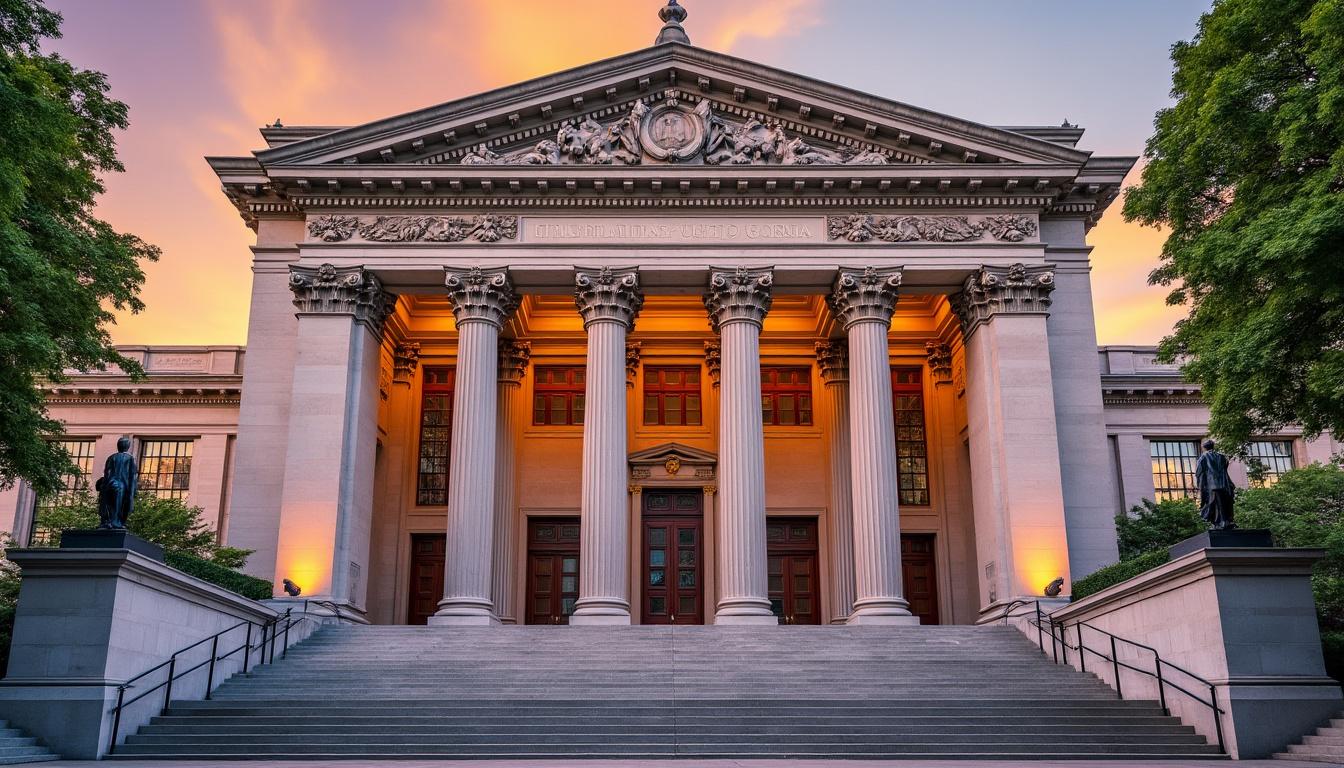
The architectural restoration accompanying the Philadelphia Museum of Art’s name reclamation demonstrates a delicate balance between preservation and innovation. This dual purpose ensures that the museum remains relevant in a time when visitor expectations for accessibility and engagement have evolved significantly.
Architectural restoration efforts focused on preserving the museum’s defining Neoclassical façade and interior details, which contribute heavily to its proud legacy. This includes meticulously refurbishing columns, cornices, and decorative stonework, ensuring every element respects the original blueprints while installing state-of-the-art climate control and lighting systems designed for conservation and visitor comfort.
One of the standout features in this restoration is the integration of accessibility improvements. These adjustments make it easier for visitors of all abilities to experience the art and architecture. For instance, tactile pathways, enhanced wayfinding with smart signage, and advanced audio guide systems are now seamlessly incorporated. This approach exemplifies how museums today harness technology to honor historic preservation without sacrificing user experience.
Additionally, the museum’s modernization strategy includes implementing green building practices that complement restoration goals. These sustainability efforts, such as energy-efficient lighting and water conservation fixtures, align the museum with contemporary environmental standards while respecting its architectural heritage.
Combining historic preservation and smart tourism technology creates a synergy that enhances the museum’s mission. Visitors can access layered content through interactive apps, tapping into rich narratives about the art, artists, and the building itself. For cultural institutions looking to optimize their visit experience, this model serves as an instructive case for integrating architectural restoration with meaningful digital transformation.
Key elements of the restoration include:
- 🔹 Preservation of original Neoclassical architectural details
- 🔹 Integration of smart audio guide technology for improved engagement
- 🔹 Installation of accessibility features for all visitors
- 🔹 Adoption of eco-friendly building upgrades
- 🔹 Enhanced visitor navigation through dynamic signage
The Strategic Impact of Museum Rebranding on Community Engagement and Art History
Museum rebranding initiatives, such as the Philadelphia Museum of Art reclaiming its historic name, profoundly affect how institutions engage with their communities and interpret art history. The rebranding goes beyond a change in name and signage: it revitalizes the museum’s narrative and strengthens its place as a cultural beacon within the city and the nation.
Reclaiming the historic name acts as a concise message that honors the museum’s foundational values and its evolution. It demonstrates respect for the past, highlighting the museum’s many contributions to preserving regional and national art histories. This action invites both longtime patrons and new visitors to reconnect with the museum’s identity on a deeper level.
Community engagement initiatives aligned with this rebranding include expanded educational programs, partnerships with local artists and historians, and enhanced access through technology. Utilizing smart tourism tools, such as the Grupem app, the museum offers multilingual audio tours that appeal to diverse audiences — making art history accessible to tourists, scholars, and residents alike.
This transformational approach has proven measurable success in driving repeat visits and increasing public participation in cultural events. It also illustrates the museum’s role as a living archive—one that evolves its storytelling to reflect both historical accuracy and contemporary values.
Moreover, the museum’s renewed identity encourages dialogue between various communities, building bridges across cultural and generational divides. Such community-centered strategies are essential in sustaining the institution’s relevance amid the challenges faced by many arts organizations, especially in a post-pandemic and economically dynamic environment.
Harnessing Smart Tourism Technologies to Elevate Visitor Experience
The Philadelphia Museum of Art’s restoration project includes cutting-edge digital tools that demonstrate how smart tourism technologies can revolutionize visitor engagement in cultural institutions. By implementing intelligent audio guides, augmented reality features, and real-time visitor analytics, the museum sets a benchmark for art museums nationwide.
The smart audio guides, powered by platforms like Grupem, allow visitors to tailor their journey through the museum according to individual interests and time constraints. These guides are equipped with location-based triggers that provide context-sensitive content, enriching the experience without interrupting the natural flow of the visit.
Such technology boosts accessibility by offering features like multilingual narration, subtitles for those with hearing impairments, and adaptable listening modes for various environments. It ensures inclusivity while maintaining a high standard of interpretive content.
In addition, interactive exhibits now use augmented reality (AR) to offer new perspectives on art pieces. Visitors can explore layers of artistic techniques, historical context, and artist biographies through tablets or personal devices. This technological immersion invites a more active participation in art history, appealing to younger audiences and tech-savvy tourists.
The museum’s embrace of smart tourism technologies is aligned with current trends seeking to make museums more accessible, educational, and engaging. Its success offers a replicable model for other arts organizations looking to integrate digital innovation into their cultural heritage missions.
Advantages of smart technology integration include:
- 🎧 Personalized and adaptive audio guide tours
- 🌍 Multilingual support enhancing global tourist access
- 🦾 Accessibility features for visitors with disabilities
- 📊 Real-time data analytics to optimize visitor flow
- 📱 Augmented reality enhancing art interpretation
| 🎨 Feature | ⚙️ Benefit | 🌟 Visitor Impact |
|---|---|---|
| Smart Audio Guides | Adaptive content delivery | Increased engagement and satisfaction |
| Augmented Reality Displays | Interactive art exploration | Deeper understanding and excitement |
| Multilingual Narration | Wider audience reach | Enhanced inclusivity |
| Accessibility Features | Universal design principles | Improved experience for all |
| Visitor Data Analytics | Operational improvements | Optimized museum flow and resource use |
Lessons in Maintaining Proud Legacy While Embracing Future Challenges
The Philadelphia Museum of Art restoration demonstrates the importance of maintaining a proud legacy while preparing for future challenges in the cultural sector. Key lessons from this project offer valuable insights for museum professionals, city planners, and technology integrators.
Firstly, upholding a historic name anchors an institution’s identity and builds trust with communities and stakeholders. This trust is crucial in times of uncertainty, such as budget fluctuations or shifting audience demographics. The restoration underscores how cultural heritage and historic preservation fuel community pride and tourism, contributing to urban economic vitality.
Secondly, embracing technological innovation does not mean abandoning tradition. The museum showcases that integrating smart tourism solutions can enhance traditional storytelling and visitor experience without diluting historical authenticity. This reconciliation is critical for institutions striving to remain relevant in 2026 and beyond.
Lastly, the project highlights a collaborative approach, involving architects, conservators, technology experts, and cultural strategists. This multidisciplinary engagement ensures a balanced outcome that respects both the past and the future.
In summary, the restoration and rebranding of the Philadelphia Museum of Art sets a benchmark for museums aiming to protect their historic essence while dynamically adapting to contemporary cultural and technological trends.
For those interested in further exploring the intersection of historic American museums and technology, resources such as historic American museums insights and Philadelphia’s art brand revival provide in-depth perspectives.
Why is reclaiming the historic name important for the Philadelphia Museum of Art?
Reclaiming the historic name reinforces the museum’s identity, honors its cultural heritage, and strengthens its connection to the community and art history.
How does the architectural restoration balance preservation and modernization?
The restoration carefully preserves original architectural details while integrating modern accessibility, climate control, and sustainability features, creating a harmonious blend of tradition and innovation.
What role do smart tourism technologies play in the visitor experience?
These technologies personalize tours, provide multilingual support, enhance accessibility, and use augmented reality to deepen understanding and engagement with art.
Can museum rebranding affect community involvement?
Absolutely. Strategic rebranding can revitalize community ties, increase educational opportunities, and invite broader public participation by emphasizing shared cultural legacies.
What are the key takeaways from the Philadelphia Museum of Art’s restoration?
Key insights include the importance of balancing historic preservation with technological innovation, fostering community trust, and adopting a collaborative restoration approach.
