
Veteran NPR Host Alleges Google Illegally Used His Voice for AI Podcast Feature, Describes Feeling ‘Completely Freaked Out’
A former NPR host has taken legal action against Google, claiming the tech giant unlawfully replicated his voice to power an AI podcast tool without his consent, sparking debate around voice cloning, digital rights, and AI ethics in podcast technology.
Legal Battle Over Alleged Illegal Voice Use by Google’s AI Podcast Feature
David Greene, a veteran NPR host known for his work on “Morning Edition” and “Up First,” has filed a lawsuit accusing Google of illegally using his voice to create a male persona in its AI-powered podcast tool, NotebookLM. The complaint, lodged in Santa Clara County, California, reveals the NBC broadcaster’s shock upon discovering a strikingly similar voice while interacting with the tool — describing his reaction as feeling “completely freaked out.” This lawsuit highlights growing concerns about voice cloning and digital rights as AI podcast features become more sophisticated and pervasive.
Greene first learned about NotebookLM through a colleague’s email, questioning whether he had licensed his voice for Google’s product. Soon after, his inbox flooded with messages from family and acquaintances noticing the uncanny resemblance.
Google maintains that the AI-generated male voice in NotebookLM’s Audio Overview feature was created using recordings from a paid professional actor, denying any misuse of Greene’s voice. Despite this, the former host insists the cadence, intonation, and verbal tics, including “uhs” and “likes,” mirror his own speech patterns, emphasizing the importance of his voice as part of his identity.
This controversy underscores the critical issues associated with unauthorized voice replication in digital media. As the podcast industry increasingly embraces AI for automation and content creation, questions surrounding personal privacy and consent in voice data usage come to the forefront.
Examples of ongoing disputes include cases like Scarlett Johansson’s threatened action against OpenAI in 2024 over a voice bot, illustrating how creatives resist unauthorized voice cloning that can infringe upon individual rights and potentially harm reputations.
| 🎙️ Aspect | ⚖️ Legal Status | 🔊 Voice AI Feature | 🔐 Privacy Concern |
|---|---|---|---|
| David Greene’s Voice | Claimed illegal use | Male podcaster voice in NotebookLM | Unauthorized replication |
| Google’s Position | Denial of wrongdoing | Voice actor recordings used | Claims ethical compliance |
| Related Cases | Various AI voice lawsuits | OpenAI, Meta copyright issues | Rising concern over AI ethics |
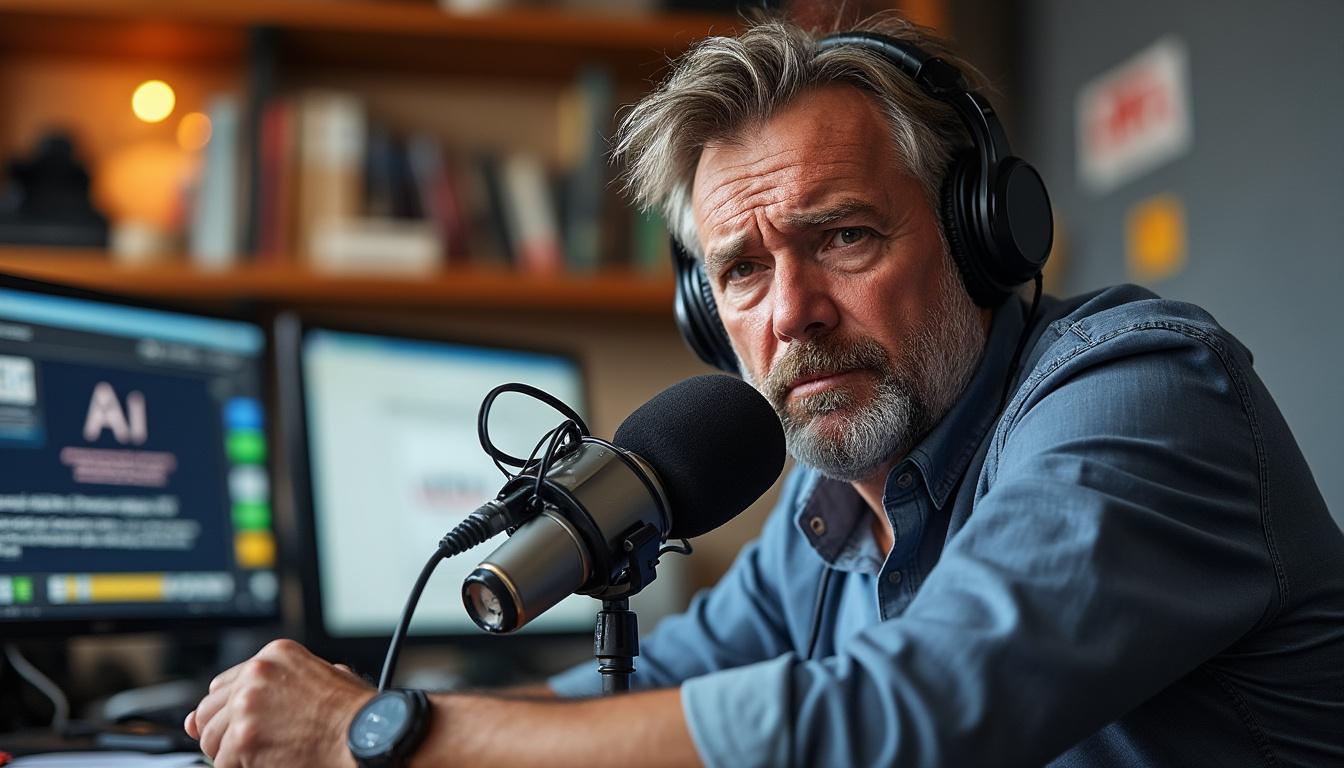
Understanding Voice Cloning Technology and Its Impact on Podcast Technology in 2026
Voice cloning is an AI-driven process that replicates a person’s voice based on audio samples, enabling tools like Google’s NotebookLM to generate podcast content with virtual hosts. As of 2026, this technology has advanced enough to mimic subtle vocal traits, making detection challenging even to trained ears.
The integration of voice AI into podcast technology offers efficiencies such as automated news summaries, personalized audio guides, and multicultural accessibility. However, the risks include potential misuse such as unauthorized voice replication, deepfake audio, and erosion of digital rights.
For professional podcasters and broadcasters, voice is a critical element of personal branding and audience trust. Unauthorized duplication can result in reputational damage and loss of control over one’s intellectual property.
- 🎧 Benefits of AI voices in podcasting: Faster content production, language adaptation, and cost reduction.
- ⚠️ Risks linked to voice cloning: Privacy breaches, identity theft, and lack of informed consent.
- 🔍 Challenges for regulation: Difficulty in tracing data origin and obtaining explicit permissions.
Organizations increasingly call for transparent practices and stricter digital rights management focused on ethical AI voice use. This includes clearly distinguishing AI-generated voices and ensuring informed consent before using personal voice data to train models.
How voice cloning complicates digital rights and personal privacy
At the heart of the ethical debate is the question of personal privacy. Voices are not only identifiers but also carry an intrinsic emotional and cultural connection. Illegal use of voice data infringes on privacy rights and demands reconsideration of existing copyright and personality rights frameworks to encompass digital assets.
Greene’s case further ignites discussion over liability and accountability among tech companies deploying AI podcast features. His lawsuit cites forensic audio evidence pointing to a confidence rating between 53% and 60% that his voice was used in NotebookLM, though no explicit proof was disclosed yet.
Practical Implications for Tourism and Cultural Mediation Professions Facing AI Voice Ethics
Beyond journalism and broadcasting, voice AI technology is shaping professions such as smart tourism and cultural mediation. Applications like Grupem have demonstrated how smartphones transform into professional audio guides, relying heavily on nuances in voice technology.
Professionals utilizing AI voice tools face a dual challenge: leveraging innovation to enhance visitor engagement while safeguarding individual voice data and avoiding ethical pitfalls.
Examples of these challenges include:
- 🗣️ Ensuring that AI voices used in guided tours do not infringe on rights by unauthorized cloning.
- 🛠️ Employing AI voice tools responsibly with clear licensing and attribution.
- 🔄 Maintaining authenticity and human touch despite digital mediation.
Tour operators and museums are advised to integrate voice AI ethically, opting for certified voice actors or securely licensed synthetic voices. This preserves trust while embracing modern podcast technology to deliver accessible and engaging audio content.
For further insight on responsible AI voice implementations, see AI voice cloning tools best practices and the dilemma faced by voice actors in the age of AI.
The Role of Corporate Accountability and Emerging Regulations in Voice AI Ethics and Digital Rights
As the legal battle unfolds, the case exemplifies the mounting pressure on major tech firms like Google to establish responsible practices that honor voice cloning ethics and respect personal privacy. Emerging legislation worldwide in 2026 increasingly targets AI tools, mandating explicit consent for data use and penalties for unauthorized exploitation.
Meanwhile, legal firms are becoming pivotal players in representing victims of unauthorized AI voice replication. Joshua Michelangelo Stein, Greene’s attorney, also represents other creatives in similar litigation, emphasizing the growing wave of copyright challenges facing AI technology.
Key considerations prompting this evolution include:
- 📜 Establishing ownership of voice data as a protected personal asset.
- ⚖️ Defining liability when AI tools generate content mimicking real voices without permission.
- 💡 Developing international frameworks aligning technology, legal standards, and ethical guidelines.
This legal scrutiny intends to safeguard personal and professional interests against unauthorized replication while fostering innovation under transparent and fair rules.
Best Practices to Protect Your Voice and Digital Rights in the Era of AI Podcast Technology
Professionals concerned with the integrity of their voice and digital persona can take proactive steps to prevent unauthorized AI voice cloning and misuse:
- 🛡️ Secure licenses and contracts explicitly stating permissible uses of your voice.
- 🔍 Regular monitoring of AI platforms that generate voice content resembling yours.
- 📢 Publicly clarifying whether your voice is used or not, to dispel confusions.
- 📝 Consulting legal counsel specialized in AI and intellectual property rights.
- ⚙️ Using watermarking technologies to help identify authentic versus synthesized audio.
To maintain trust and foster responsible AI use, engagement with transparency and consent is imperative. The rapid evolution in podcast technology necessitates vigilance and informed decision-making from individuals and organizations alike.
For additional guidance on navigating voice AI ethics and the latest in voice cloning advancements, visit Grupem’s resources on cutting-edge AI voice funding and AI female voice innovation.
What is voice cloning and how is it used in podcasting?
Voice cloning uses artificial intelligence to replicate a person’s voice based on audio samples. In podcasting, it automates content creation by generating virtual host voices that mimic real personalities.
Why is unauthorized use of a person’s voice a legal concern?
Because a person’s voice is part of their identity and brand, using it without permission can violate privacy rights, intellectual property laws, and lead to reputational harm.
How can professionals protect their voice digital rights?
They can secure clear licensing agreements, monitor AI creations, employ audio watermarking, and rely on specialized legal support for AI-related intellectual property challenges.
What steps are companies like Google taking regarding AI voice ethics?
Leading companies publicly deny unauthorized uses, claim ethical practices with professional voice actors, and face increasing legal scrutiny to establish responsible AI governance.
How does AI voice technology affect tourism and cultural mediation?
AI voices enable scalable, personalized audio guides but require ethical use to prevent unauthorized voice replication and maintain authentic visitor experiences.
