
Innovative Architectural Marvels Defining the Museum Debuts of 2026
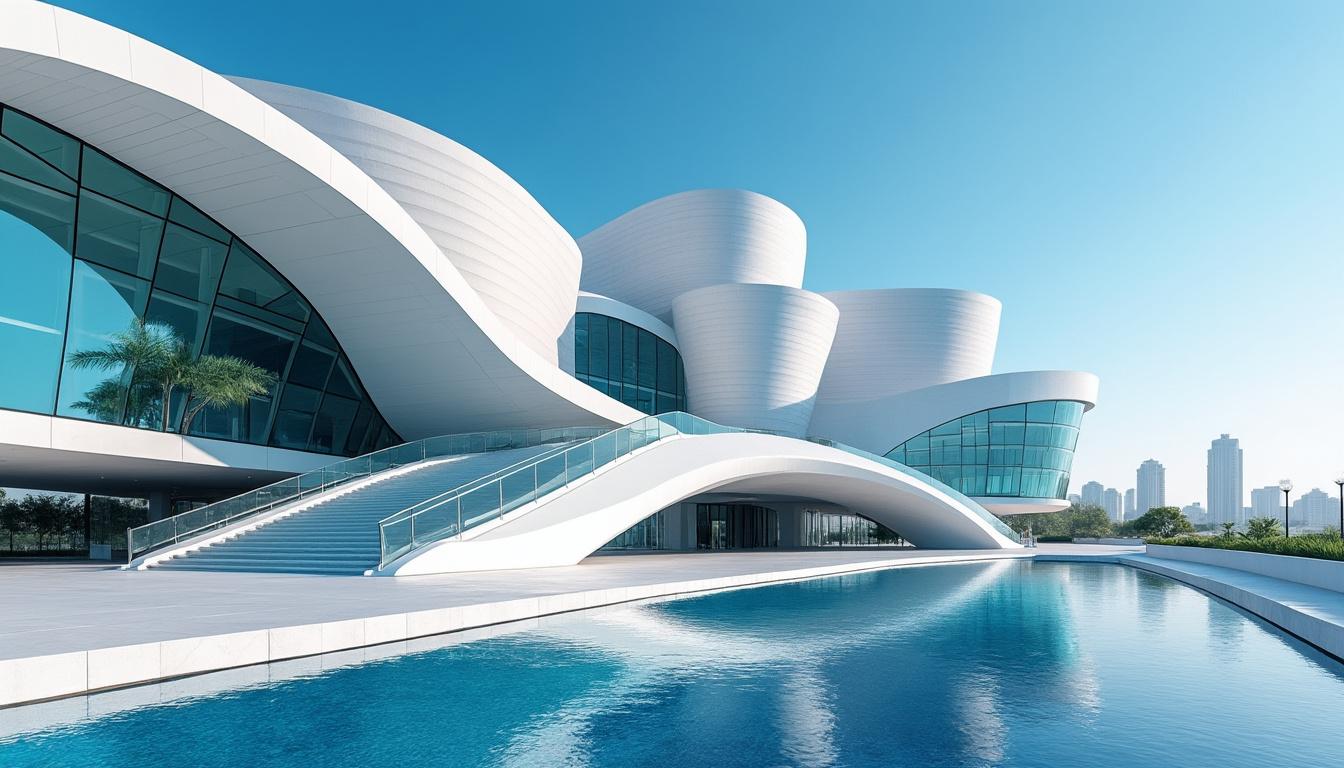
The year 2026 promises to reshape the cultural landscape with groundbreaking museum openings that blend visionary architecture and immersive exhibitions. Notably, the Guggenheim Abu Dhabi stands out as a landmark innovation, designed by the late Frank Gehry. This 450,000-square-foot complex features several galleries interconnected by glass bridges and catwalks, creating a dynamic, floating effect reminiscent of a “Land of Oz” skyline. Located on Saadiyat Island, it anchors a cultural district that enhances Abu Dhabi’s profile as a global art destination. This architectural feat is not just about visual impact; it facilitates an innovative visitor experience where the fluidity between spaces allows for greater narrative flexibility within exhibitions.
Similarly, the Lucas Museum of Narrative Art in Los Angeles captivates with its futuristic flying saucer design, marrying architecture with immersive storytelling. This 300,000-square-foot facility hosts a collection that spans cinematic memorabilia, classical and contemporary art, and pop culture artifacts, demonstrating how museums in 2026 are diversifying their scope to appeal to broader audiences. This convergence of sci-fi aesthetics and narrative art highlights a trend towards experiential venues, enhanced by tech integrations that modern visitors expect.
These architectural advancements reflect a broader trend where museums become cultural hubs, reimagining their roles beyond static art display into dynamic centers fostering innovation, education, and social engagement. Such buildings are carefully conceived to enhance acoustics, lighting, and visitor flow—key factors especially for those deploying smart tourism solutions such as immersive audio guides and AR-enhanced exhibits. Museums are no longer isolated repositories but integrated destinations contributing significantly to urban renewal and economic regeneration.
Understanding these developments is essential for cultural institutions seeking to modernize. The integration of technology not only in the exhibits but also in the building design—such as incorporating sustainable materials and smart climate control—bolsters the visitor experience and operational efficiency. As you prepare for the influx of visitors in 2026, these innovations provide crucial insights into how design and technology collaborate to redefine the museum’s cultural footprint.
For professionals organizing tours or elevating visitor engagement, these new museum openings offer a unique case study of blending heritage with contemporary innovation. They illustrate how narrative and architectural form can drive foot traffic and global attention while setting new standards for exhibit curation and cultural storytelling.
Expanding Cultural Narratives: Indigenous and Historical Storytelling in New Museums
A significant cultural shift is marked by museums embracing indigenous ownership and control of their narratives, exemplified by the Larrakia Cultural Centre in Darwin, Australia. Scheduled to open in September, the centre symbolizes a vital evolution away from museums about native peoples toward museums operated by indigenous communities themselves. The building’s roof, designed to resemble a bird in flight, pays homage to ancestral spirits and the Larrakia people’s deep connection to the land.
This cultural centre is more than a display venue; it is a vibrant educational hub featuring ceremonial artifacts, some recently repatriated from collections abroad. Such repatriations, including objects returned from the UCLA Fowler Museum and the Bristol Museum & Art Gallery, underline the growing commitment towards cultural restitution and authenticity. The Larrakia Cultural Centre also integrates outdoor saltwater ceremonial spaces and performance areas, actively engaging visitors in living traditions rather than static viewing.
In addition, the centre’s inclusion of indigenous culinary experiences and an arts-and-crafts shop connects visitors with contemporary indigenous culture, enriching their understanding beyond historical exhibits. This holistic approach to cultural representation exemplifies 2026’s trend towards inclusivity, authenticity, and community involvement.
The Obama Presidential Center in Chicago furthers this narrative-driven trend through its design and programming. More than a presidential museum, it incorporates community-focused amenities such as a playground, public library, and basketball court, emphasizing social upliftment along with cultural education. The center’s deliberate positioning on Chicago’s South Side, reflecting Michelle Obama’s upbringing, highlights how museum openings in 2026 are intertwined with urban regeneration and community empowerment.
These examples demonstrate how storytelling within museums has evolved into a multidimensional practice intertwining history, identity, and social context. They offer an expanded model where culture is dynamic and participatory, leading to stronger visitor engagement and deeper appreciation of complex histories.
List of key features in new cultural narrative museums 🏛️:
- 🌿 Indigenous ownership and active community participation
- 🖼️ Integration of repatriated artifacts for authentic representation
- 🎭 Outdoor ceremonial and performance spaces fostering living culture
- 🍽️ Culinary venues that offer immersive cultural experiences
- 📚 Educational programs utilizing cutting-edge audio and VR technology
Immersive Exhibitions Merging Art with Technology for Enhanced Visitor Engagement
The expanding role of technology in museum exhibitions is a defining feature of 2026, offering highly engaging and interactive visitor experiences. Museums like the Kanal-Pompidou in Brussels exemplify adaptive reuse, transforming a former Citroen auto-assembly plant into a vast modern and contemporary art gallery, outfitted with advanced multimedia installations. With over 40,000 square meters of space, the museum’s renovation marries industrial heritage with new technologies that facilitate multi-sensory exhibitions and interactive displays.
Technological innovation is also evident in Los Angeles’ Dataland, dedicated to AI-made art. Opening in spring, Dataland will showcase how artificial intelligence can create and curate art, offering visitors a novel way to explore creativity through data-driven experiences. Integrating AI art appeals not only to traditional art enthusiasts but also to technology-savvy visitors, broadening the museum audience and fostering engagement through smart tourism tools.
Moreover, the Islamic Civilization Center in Tashkent capitalizes on state-of-the-art digital resources to present Uzbekistan’s rich history from pre-Islamic times to today. Its VR and AI-enhanced exhibits enable visitors to interact with “living portraits” of scholars and explore ancient manuscripts in innovative formats. This merging of classic scholarship with modern technologies ensures that exhibitions are both educational and deeply immersive.
Smart audio guides, a specialty of platforms like Grupem, are integral to these experiences, offering seamless narration synced to exhibits, accessible on visitors’ smartphones. This approach not only improves accessibility but also allows museums to provide dynamic, multilingual content that adapts to individual preferences and learning speeds — enhancing user experience and satisfaction.
These examples illustrate the essential role of technology in transforming museum visits from passive observation into participatory storytelling. Investing in such innovations is critical for institutions aiming to maintain relevance in a digital-first era and attract diverse, global audiences eager for meaningful cultural experiences.
Top Exhibition Themes and Cultural Showcases Arriving in 2026
The thematic diversity in museum exhibitions slated for 2026 indicates a broadening of cultural horizons. From the Lucas Museum of Narrative Art’s expansive showcase encompassing everything from Norman Rockwell’s paintings to iconic Star Wars memorabilia, to the Guggenheim Abu Dhabi’s focus on both Western and Southern Asian artists, visitors will experience a range of perspectives that reflect global interconnectedness.
Exhibition content is deliberately curated to foster cross-cultural understanding. The Guggenheim Abu Dhabi’s inclusion of monumental site-specific installations from artists like Jean-Michel Basquiat and Andy Warhol emphasizes not just art history but also contemporary dialogues about identity and history. Meanwhile, Kanal-Pompidou’s opening exhibitions confront colonial histories and champion postcolonial voices, incorporating performance art that activates the museum space.
In Chicago, the nearby Griffin Museum of Science and Industry’s new “Powering the Future” exhibit employs interactive displays to engage audiences with the challenges and innovations in energy today. This intersection of art, science, and technology embodies how museums in 2026 serve as platforms for pressing contemporary issues alongside traditional cultural narratives.
Understanding these exhibition themes is crucial for tourism and cultural professionals preparing guided tours or digital content. Tailoring visitor experiences to highlight these themes can deepen engagement and provide meaningful context, especially when integrated with smart audio tour solutions like Grupem, which facilitate layered storytelling for diverse audiences.
Incorporating these cutting-edge exhibition themes enables museums to remain vital centers of culture, education, and innovation, stimulating both local pride and international interest.
Table: Selected 2026 Museum Openings and Signature Exhibition Themes 📅🎨
| 🖼️ Museum Name | 🏛️ Location | 🎭 Signature Exhibition Theme | 🎯 Unique Feature |
|---|---|---|---|
| Lucas Museum of Narrative Art | Los Angeles, USA | Storytelling through cinematic and illustrative arts | Expansive collection including Star Wars memorabilia |
| Guggenheim Abu Dhabi | Abu Dhabi, UAE | Modern and contemporary art spanning Asia and beyond | Architectural marvel with sweeping metal sails |
| Larrakia Cultural Centre | Darwin, Australia | Indigenous culture and living heritage | Community-led, integrating ceremonial spaces |
| Kanal-Pompidou | Brussels, Belgium | Modern art with focus on colonial histories | Converted industrial Art Deco facility |
| Islamic Civilization Center | Tashkent, Uzbekistan | Central Asian intellectual and artistic golden age | VR and AI-enhanced historical exhibits |
| Obama Presidential Center | Chicago, USA | Political legacy and community empowerment | Multi-use public spaces including playground and library |
Enhancing Museum Accessibility and Visitor Experience through Smart Tourism Technologies
Accessibility and visitor engagement are at the forefront of museum innovation in 2026, leveraging smart tourism technologies to create more inclusive and memorable experiences. With the rise of mobile apps like Grupem, museums empower guides and visitors alike to access rich audio content, adaptive tours, and multilingual support without requiring expensive equipment or disrupting natural visitor flows.
These digital audio guides enable the delivery of contextual narratives that incorporate location-based triggers, ensuring visitors receive information precisely when and where it matters. For instance, a visitor navigating the Islamic Civilization Center can engage with “living portraits” through augmented reality or access detailed explanations of manuscripts via their smartphone, breaking traditional barriers of static exhibit labels.
Moreover, museums such as the Larrakia Cultural Centre implement technology not just to share information but to create spaces where communities can interact, learn, and preserve heritage. The inclusion of workshops, performances, and culinary experiences supported by audio-visual guides furthers this approach, setting a new standard for cultural mediation.
Event organizers and offices of tourism can harness these smart tools to design seamless cultural itineraries that optimize visitor flow and personalize engagement. This not only maximizes educational impact but also enhances operational efficiency by reducing bottlenecks and enabling real-time analytics on visitor behavior.
The application of smart audio technology aligns with global trends toward sustainability and digital transformation in tourism. By embracing these innovations, museums set a precedent for the future, promoting accessibility without compromising the intensity of cultural experience. For more insights on using such technology to optimize museum openings and exhibitions, consult detailed resources available on modern smart tourism platforms.
What distinguishes the museums opening in 2026 from previous decades?
The 2026 museum openings focus on integrating advanced technology and innovative architecture with inclusive storytelling, reflecting diverse cultural narratives and emphasizing visitor engagement through smart tourism solutions.
How do smart audio guides improve museum visitor experiences?
Smart audio guides provide timely, contextual information accessible via mobile devices, supporting multilingual content and personalized tours that enhance accessibility and engagement without requiring additional equipment.
Are indigenous-led museums becoming more common?
Yes, 2026 highlights a growing trend where indigenous communities take ownership of cultural centers, ensuring authentic representation and active participation in heritage preservation and education.
What role does architecture play in modern museum debuts?
Architecture serves as both a functional and artistic statement, using innovative designs to create immersive environments that complement and enhance exhibition narratives while contributing to urban cultural identity.
How do museums address contemporary social issues in their exhibitions?
Many new museum exhibitions integrate themes like identity, colonial history, and sustainability, using interactive and multimedia displays to provoke thought and encourage dialogue among diverse audiences.
For further details on these museum debuts and their cultural impact, explore expert analyses and travel resources such as this comprehensive guide on the top museum openings of 2026 and the insights provided by outlets like BBC’s coverage of anticipated museum debuts.
