
Short on time? Here’s what to remember:
✅ Mexico City hosts an exceptional range of museums that capture the city’s layered cultural heritage, from ancient ruins to cutting-edge modern transformations.
✅ Smart museum visits benefit from guided audio technology to deeply explore exhibits, enhancing the experience without overwhelming.
✅ Avoid overwhelming itineraries by focusing on select must-see museums that provide strong narratives of history, archaeology, art, and exhibitions.
Discovering Ancient Civilizations at Museo Anahuacalli: Curating Pre-Hispanic Treasures
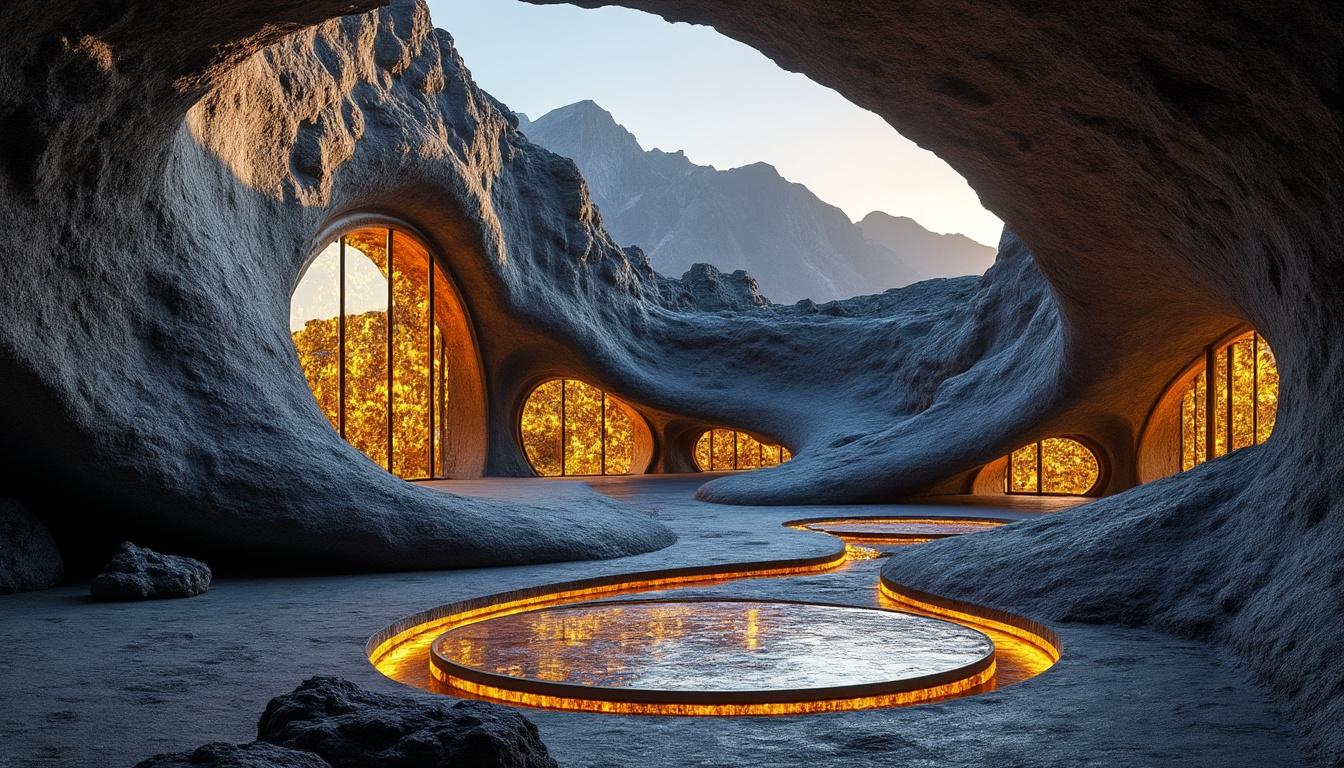
Positioned well south of Mexico City’s bustling center, the Museo Anahuacalli offers a compelling encounter with the city’s prehistoric past and indigenous cultural lineage. This museum originated from Diego Rivera’s personal collection of over 60,000 pre-Hispanic artifacts. Rivera’s passion for preserving the “idolage” reshaped the foundations of cultural heritage conservation in Mexico City. The building itself is a masterclass in architectural innovation, crafted by Juan O’Gorman from tezontle — a volcanic basalt resonating with materials used in ancient Mesoamerican sites like Teotihuacan.
The museum’s design deliberately reflects Mesoamerican cosmology, with three levels representing the underworld, earth, and heavens. This unique spatial structuring creates an immersive experience that shifts subtly with natural light changes throughout the day — a sensory dialogue between architecture and artifact. Among the approximately 2,000 artifacts on display, visitors encounter Olmec figurines with distinct “baby faces,” Toltec ceramics, and Zapotec urns — each object narrating a chapter of ancient indigenous life.
An exquisite collection of preparatory sketches by Rivera enriches the top floor, offering insight into his mural work such as the controversial Rockefeller Center mural, famously destroyed due to its political imagery. The rooftop’s panoramic views of preserved Pedregal lava fields offer visitors a direct connection to the geological and cultural environment that nurtured many of these ancient civilizations.
Practical tips: Accessibility to Museo Anahuacalli requires planning due to its remote location — expect a 35-minute journey without traffic, extending significantly during peak hours. While the museum lies beyond typical circuits, the site rewards dedicated cultural explorers with an intimate experience of Mexico City’s archaeological depth.
This museum is a must-visit for anyone seeking to understand Mexico City’s deep-rooted history and prehistoric archaeology, essential for contextualizing the city’s artifacts and contemporary cultural identity.
Museo Tamayo: Embracing Modern Art and Cross-Cultural Dialogues at Chapultepec
The Museo Tamayo stands as one of Latin America’s most innovative museums, merging international modern art with Mexican artistic heritage. Founded in 1981 following the donation of artworks by Rufino Tamayo and his wife Olga, the museum laudably balances the legacy of a Mexican avant-garde painter with progressive art forms from across the globe. Tamayo’s own oeuvre—marked by stylized forms and striking color bands—is curated alongside works by Rothko, Bacon, Miró, and Picasso, fostering rich cross-cultural conversations.
The museum’s architecture by Teodoro González de León and Abraham Zabludovsky blends subtly with the Chapultepec Park environment, emphasizing wide, geometric forms and natural integration. Located at the park’s edge near Reforma, it’s easily accessible alongside other cultural landmarks, including the nearby Museo Nacional de Antropología.
Museo Tamayo is recognized for its bold programming, featuring experimental film, jazz nights, and exhibitions spotlighting underrepresented voices like queer and trans artists. These efforts make it a vibrant hub for contemporary art exploration within Mexico City’s extensive museum ecosystem.
Highlights of a visit:
- 🖼 Rotating displays ensuring the presence of Tamayo’s paintings without stagnation.
- 🎷 Monthly jazz performance nights, connecting music with visual culture.
- 🎥 Experimental film screenings broadening artistic mediums beyond static exhibitions.
- 🛍 Exceptional gift shop with rare art catalogs and design objects unique to Mexico City.
Pairing a visit to Museo Tamayo with the Museo Nacional de Antropología offers a layered perspective—contrasting ancient histories with living, evolving art forms. This strategic combination enhances an understanding of Mexico City’s cultural continuum.
The Birthplace of Mexican Muralism: Colegio de San Ildefonso’s Revolutionary Murals
Once the Jesuit college for colonial elites, Colegio de San Ildefonso has transformed into one of Mexico City’s most significant cultural institutions, serving as the cradle of Mexican Muralism. Its walls bear witness to political and social change, immortalized through murals by Diego Rivera, José Clemente Orozco, and David Alfaro Siqueiros. These monumental frescoes communicate revolutionary ideals and indigenous narratives with raw emotion and intellectual depth.
The building itself embodies centuries of layered history, from its baroque architecture and patios to its function as Mexico’s first secular high school. The murals not only shaped public consciousness in post-revolutionary Mexico but remain powerful visual stories accessible to contemporary audiences.
Key murals to examine during a visit include:
- 🎨 Rivera’s “La Creación” depicting Adam and Eve as mixed-race allegorical figures celebrating cultural fusion.
- 🛠 Orozco’s “La Trinchera” and “Los Trabajadores,” which confront the human costs of revolution with unflinching realism.
- 💔 “Cortés y La Malinche” under the main staircase, a provocative portrayal of colonial encounter through the intimate relationship of the conqueror and his indigenous translator.
The museum also hosts interdisciplinary temporary exhibitions that explore cultural networks and modern urbanism, making each visit fresh and informed by new scholarship. Visitors benefit greatly from joining local-led guided tours; these add personal anecdotes that enrich understanding of the site’s historical and political significance.
Celebrating Mexican Folk Art: Museo de Arte Popular’s Dynamic Approach to Tradition and Innovation
Situated near the Alameda Central park, the Museo de Arte Popular bridges Mexico City’s rich artisanal past with contemporary creativity. Housed in a former firehouse, the museum showcases Mexico’s handcrafted objects, emphasizing their role as living cultural heritage rather than fixed relics frozen in time.
The exhibitions revolve around three thematic registers: lo cotidiano (daily life), lo sagrado (ritual and devotion), and lo fantástico (imagination and invention). This conceptual framework invites visitors to see Mexican folk art through multifaceted lenses, underscoring the tension between tradition and innovation in cultural expression.
Prominent collections include:
- 🧵 Zapotec huipiles woven on backstrap looms, reflecting indigenous narratives through patterns.
- 🎭 Masks from Guerrero and Michoacán that perform social and mythical roles.
- 🖌 Barro negro pottery with velvety black finishes and Oaxacan Alebrijes—colorful fantastical creatures meticulously carved and painted.
- 🎉 Papel picado banners that symbolize ephemeral artistry in Mexican celebrations.
The museum also engages with the economic and social pressures artisanal communities face today, promoting adaptive preservation strategies that keep traditions relevant and sustainable. This approach supports the museum’s mission to be an active participant in ongoing cultural dialogues rather than a static repository.
Innovative visitor experiences
Interactive displays explain the complex creation processes behind artefacts like the Alebrijes, maneuvering visitors beyond art appreciation into experiential learning. This fosters deeper connections to form, function, and meaning.
MODO: Exploring Mexico’s Material Culture Through Design and Ephemera
Museo del Objeto del Objeto (MODO) offers a distinct lens into Mexico City’s modern transformations by concentrating on everyday, mass-produced objects as cultural artifacts. Located in a restored Art Nouveau mansion in Colonia Roma, MODO’s collections reveal the evolution of consumer culture and visual communication across two centuries.
Bruno Newman’s vast archive constitutes the museum’s heart: packaging, advertising, household objects, and signage that map the socio-economic development of Mexico and the changing relationship between businesses and consumers. Its displays are carefully themed, avoiding chronological constraints to focus on design, regulation, and social meaning.
Such themes include:
| 🛍 Category | 🎨 Focus | 🕰 Timeframe |
|---|---|---|
| Packaging & Branding | How logos & design shape consumer trust | Mid-20th century onward |
| Medical Instruments | Evolution of hygiene & regulation | 1900s–present |
| Household Goods | Changing daily habits & product innovation | Mid-century to modern era |
This approach reinterprets Mexico City’s urban consumer experience within broader narratives of industrialization, modernization, and identity formation, emphasizing how material culture influences social memory and public behavior.
For cultural professionals and visitors alike, MODO exemplifies how museums can leverage everyday objects to narrate complex stories of transformation while appealing to diverse audiences. Integrating smart tourism audio guides here enhances exploration by providing detailed contextualization often overlooked in traditional museum signage.
Essential Checklist for Visiting Mexico City’s Top Museums 🗺️✨
- 📌 Plan visits with transit and location in mind—Museo Anahuacalli requires longer travel times.
- 🎧 Use smart audio guides (such as Grupem) to augment comprehension and engagement.
- 🕒 Allocate at least 1-2 hours per museum to absorb detailed exhibitions.
- 📅 Check special event schedules—Museo Tamayo frequently offers experimental art programs.
- 📚 Bring Spanish language support or join local guided tours at sites like Colegio de San Ildefonso for enriched context.
What makes Mexico City a unique destination for museum exploration?
Mexico City offers an unrivaled density and diversity of museums, combining ancient archaeological sites with cutting-edge contemporary art spaces, allowing visitors to experience a continuum of history and culture within an urban environment.
How can technology improve the museum experience in Mexico City?
Smart tourism technologies such as audio guides from platforms like Grupem enhance accessibility, the quality of narrative interpretation, and visitor engagement without interfering with the museum atmosphere.
Which museums in Mexico City best represent the blend of ancient and modern culture?
A combined itinerary featuring Museo Anahuacalli and Museo Tamayo exemplifies the juxtaposition of ancient pre-Hispanic culture with global modern and contemporary art, embodying Mexico City’s layered identity.
Are Mexico City’s museums accessible for international visitors?
Many museums provide multilingual audio guides and detailed exhibitions; partnering with local experts or digital smart guides ensures deeper understanding for visitors regardless of language skill.
