
Short on time? Here’s what you need to know:
✅ The Look Book enhances storytelling by immersing visitors in a magical journey combining fantasy and history.
✅ Using smart audio and interactive tools transforms night museum explorations into memorable adventures.
✅ Avoid overloading visitors with information; balance mystery and factual artifacts for engagement.
Enhancing the Museum Experience: The Power of a Magical Journey Through Artifacts and History
The appeal of museums lies not only in their collections but in their ability to transport visitors through time and culture. Integrating the concept of a magical journey during a night visit creates a unique dynamic that redefines traditional exploration. By combining elements of fantasy with historical artifacts, museums can captivate diverse audiences—from families to serious history enthusiasts—transforming static displays into compelling narratives.
Central to this approach is the use of specialized digital tools like the Grupem app, which serve as intelligent audio guides. These tools allow museums to frame exhibitions as adventures where visitors uncover mysteries embedded in artifacts’ provenance and cultural significance. For example, visitors might track the story of an ancient relic through immersive storytelling, enhanced by sound effects and expert narration, making the experience far more engaging than passive observation.
Moreover, the nighttime setting adds to the atmospheric effect. The interplay of shadows, dimmed lighting, and the excitement of after-hours exploration increases attention and emotional connection. Museums adopting this strategy often observe longer visitor engagement times and higher satisfaction rates.
Practical examples illustrate how museums achieve this:
- 🔍 The American Museum of Natural History’s sleepover events invite children with pillows and flashlights to explore exhibits after dark, crafting a sense of adventure and discovery.
- 🎧 Audio technology narrated as a “magical guide” offers contextual clues that enhance understanding of ancient artifacts’ roles in myths and history.
- 🎨 Visual storytelling combined with augmented realidad or light installations brings static objects to life, bridging fantasy and documented facts.
These methods emphasize that a museum visit becomes an adventure rather than a routine inspection of objects. By crafting this magical journey, institutions fulfill educational goals while revitalizing visitor interest in cultural heritage. Comprehensive details on such initiatives can be found on websites dedicated to cultural tours like The Look Book Hunt, which promotes this immersive educational approach.
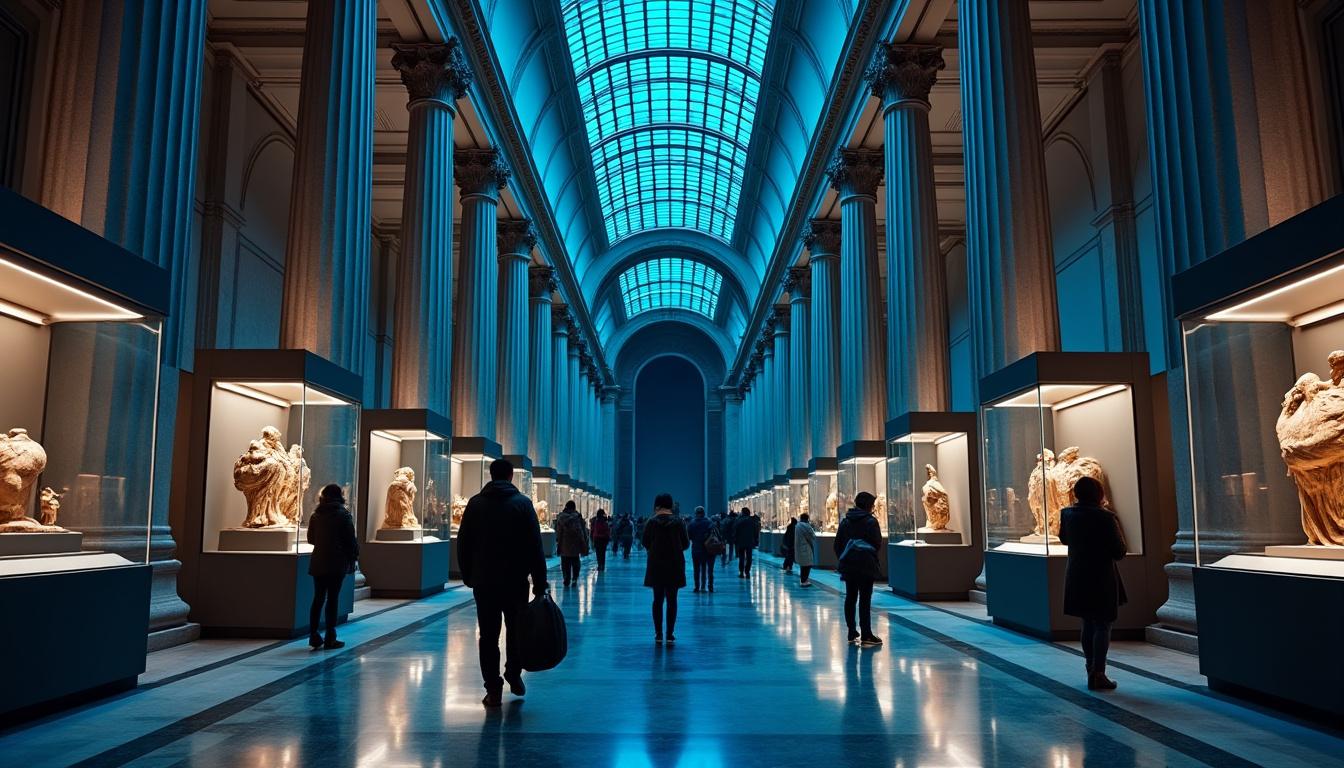
Smart Audio Technology: Elevating Nighttime Museum Exploration
Audio guides have evolved dramatically. They no longer serve only as recorded narrations but as adaptable, interactive smart systems. These systems cater to visitor preferences, react to their pace, and support multi-language access, making museum stories accessible to broader audiences.
When applied to the nighttime museum context, smart audio becomes pivotal. The quiet ambiance after hours enhances sound clarity, letting audio cues weave seamlessly with the environment’s natural sounds. This creates a balanced sensory experience where visitors feel part of the narrative rather than mere observers.
Significant benefits of this technology include:
- 🔊 Personalized narratives adjusting to visitor interest or group dynamics, ensuring no one is overwhelmed or bored.
- 🎤 Clear delineation between factual history and imaginative storytelling enhances visitor understanding and retention of artifacts’ significance.
- 🌐 Multilingual support breaking language barriers, vital in global tourism hubs.
- ⏱ Flexibility in timing and pacing, allowing visitors to explore either at their own speed or follow guided schedules.
For museum organizers, smart audio technology like Grupem offers a turnkey solution. Without needing costly equipment, you can convert any smartphone into a portable guide, simplifying logistics and expanding accessibility. The adaptation for night tours includes curated audio designed to conjure mystery and adventure, tapping into the same fascination that franchises like Night at the Museum popularized by blending history and fantasy.
Integration of these technologies also enables museums to collect anonymized analytics—such as which exhibits attract more attention at night or what segments provoke visitor questions—feeding continuous improvement of the visitor experience.
Crafting Engaging Narratives That Blend Fantasy and Historical Facts
Visitor engagement hinges largely on storytelling quality. The magical journey approach thrives by merging fantasy with meticulously researched history, offering visitors both wonder and learning.
The narrative design follows a balance to avoid over-simplification or overwhelming detail. For instance, a tale surrounding a mysterious artifact might begin with an imaginative legend, segueing into its verified historical context and archaeological significance. This layered approach satisfies curiosity and reinforces knowledge.
Key elements to consider when designing narratives:
- 🗝️ Creating mystery through open-ended questions encourages active exploration rather than passive observance.
- 📜 Incorporating first-person accounts or diary entries (real or fictionalized) increases emotional connection.
- 🎭 Using character-driven storytelling brings the artifacts’ histories to life, humanizing distant eras.
- 📚 Framing exhibits within broader historical events helps visitors grasp their wider significance.
An example from recent museum exhibitions includes “Voices from the Past,” where visitors follow the journey of a Roman soldier’s helmet, discovering the fantasy of battlefield ghosts interwoven with the empire’s historical facts. Such storytelling techniques are highlighted in discussions around innovative cultural projects, similar to how Michelle Obama’s The Look Book portrays an evolution of style in a narrative-rich, immersive format.
Combining adventure and education effectively transforms museum visits into experiences visitors remember and share, vital for sustainability in cultural tourism.
How Night Tours Unlock New Levels of Mystery and Adventure
Night tours provide museums with the opportunity to reinvent a traditionally daytime activity. The ambience of darkness naturally adds an element of mystery and anticipation, making every artifact and exhibit more captivating.
These tours often include interactive challenges or scavenger hunts, leveraging the nighttime atmosphere to intensify visitor focus and excitement. The appeal extends notably to families and young audiences, who associate museum night visits with entertainment as well as education. The success of events such as the American Museum of Natural History’s program is well documented, where the addition of pillows and flashlights turns the museum into a playful environment.
Museums benefit from night tours in several practical ways:
| 🕰️ Benefit | 📈 Impact | ✨ Examples |
|---|---|---|
| Increased visitor engagement time | Visitors spend more time per exhibit | Sleepover events attract longer visits with interactive storytelling |
| Heightened emotional connection | Stronger memory retention | Lighting and sound effects evoke immersive moods |
| Diversification of audience | Attracts families and younger visitors | Scavenger hunts with fantasy elements boost participation |
| Revenue opportunities | Additional ticket sales for after-hours access | Special event pricing and merchandise sales |
By emphasizing adventure and reimagined narratives in these tours, museums turn each visit into a story the visitor is actively part of, rather than a detached observer. Institutions looking to capitalize on these trends can find detailed insights at resources like Night at the Museum book series, which elaborate on blending nighttime magic and cultural education.
Implementing Accessible and User-Friendly Technology for Seamless Night Museum Visits
Successful implementation of technology during night tours requires focus on both usability and accessibility. Tools must not only enhance visitor experience but also be easy to deploy by museum staff and accessible to all visitors, regardless of their technical skill.
Critical considerations for smart tourism tech include:
- 📱 Compatibility with common mobile devices to avoid the need for special equipment.
- 🧭 Intuitive user interfaces with clear navigation and simple instructions.
- ♿ Features supporting users with disabilities, such as adjustable audio volume, subtitles, and haptic feedback.
- 🔄 Robust offline functionality to ensure uninterrupted access within museum spaces with limited connectivity.
Grupem exemplifies these qualities by turning any smartphone into a professional-grade audio guide without additional hardware. For museum professionals, leveraging such applications facilitates scaling night visits without extensive investment.
Organizers should also consider staff training to support the technology deployment smoothly and prepare contingency plans for troubleshooting during events. User feedback collection integrated into mobile solutions allows continuous refinement.
These considerations ensure that the magical journey through the museum at night remains accessible, engaging, and smooth, strengthening the institution’s reputation as an innovative cultural hub.
More detailed case studies and practical implementation tips can be explored through expert analysis like Michelle Obama’s The Look Book behind-the-scenes and similar projects improving visitor accessibility and engagement.
What makes night museum visits more engaging than daytime tours?
Night museum visits add atmosphere and mystery, enhancing visitor immersion through unique lighting and sound. Audiences often spend more time exploring exhibits in this evocative setting.
How does smart audio technology improve museum explorations?
Smart audio tailors content to individual visitors’ interests and pace, supports multiple languages, and integrates interactive storytelling to deepen understanding and engagement.
What are the key elements of storytelling during a magical journey at the museum?
Effective storytelling balances fantasy and factual history, incorporating mystery, emotional narratives, and broader cultural contexts to keep visitors engaged and curious.
How can museums ensure night tours are accessible to everyone?
By using technology compatible with everyday devices, featuring accessibility options, and offering intuitive interfaces, museums can provide a smooth experience for visitors of all abilities.
Where can I learn more about integrating innovative storytelling in museums?
Resources like the The Look Book Hunt and the Night at the Museum book series provide valuable insights into blending narrative and technology for immersive cultural experiences.
