
Peu de temps ? Voici l’essentiel à retenir :
- ✅ The Grand Opening of the Hoxie: The First Stand Museum commemorates a decisive chapter in American civil rights history.
- ✅ Innovative exhibition techniques enhance visitor engagement by blending culture and heritage with smart technology.
- ✅ Inclusive storytelling ensures all community perspectives are represented, avoiding common pitfalls of historical interpretation.
- ✅ Bonus: How digital tools like Grupem’s app can modernize heritage experiences for museums of all sizes.
Honoring a Historic Legacy: The Significance of the ‘Hoxie: The First Stand’ Museum Grand Opening
The Grand Opening of the Hoxie: The First Stand Museum represents much more than the inauguration of a cultural venue. Situated in the heart of Arkansas, this institution stands as a dedicated tribute to a pivotal moment in the nation’s journey toward equality. The museum is located at 602 S.W. Lawrence St. in Hoxie, a town emblematic for its courageous early stand during the desegregation of public schools in 1955, a mere year after the landmark Brown v. Board of Education ruling.
This event, held on a crisp January morning, marks the culmination of more than eight years of concerted planning and community effort. It also features the unveiling of the Ethel Tompkins Exhibit Hall, named after the museum president and the first Black student to graduate from Hoxie High School. The presence of leaders such as Ethel Tompkins herself, Frances Green (Vice President), and Terrence Ward (Executive Director of the Lawrence County Chamber of Commerce) elevates the event’s relevance.
The museum serves as a vital educational hub, preserving artifacts, court documents, and oral histories that provide visitors with an immersive understanding of how a small community confronted national resistance and chose progress over division. This approach ensures that the narrative remains remembered and accessible to future generations. Establishing such a facility aligns perfectly with current trends in smart tourism, where heritage becomes interactive and outwardly engaging.
In embracing this vision, the museum addresses the essential challenge of interpreting complex historical experiences in ways that resonate with diverse audiences and empower them to appreciate the profound human stories shaped by the struggle for civil rights. For tourism professionals and cultural institutions, the Grand Opening is a clear example of how thoughtful curation and community involvement can revive pivotal moments in history.
For a comprehensive overview of the museum’s founding and its cultural impact, interested parties may consult resources like official announcements from KAIT or explore local event listings such as the public ribbon-cutting ceremony details.
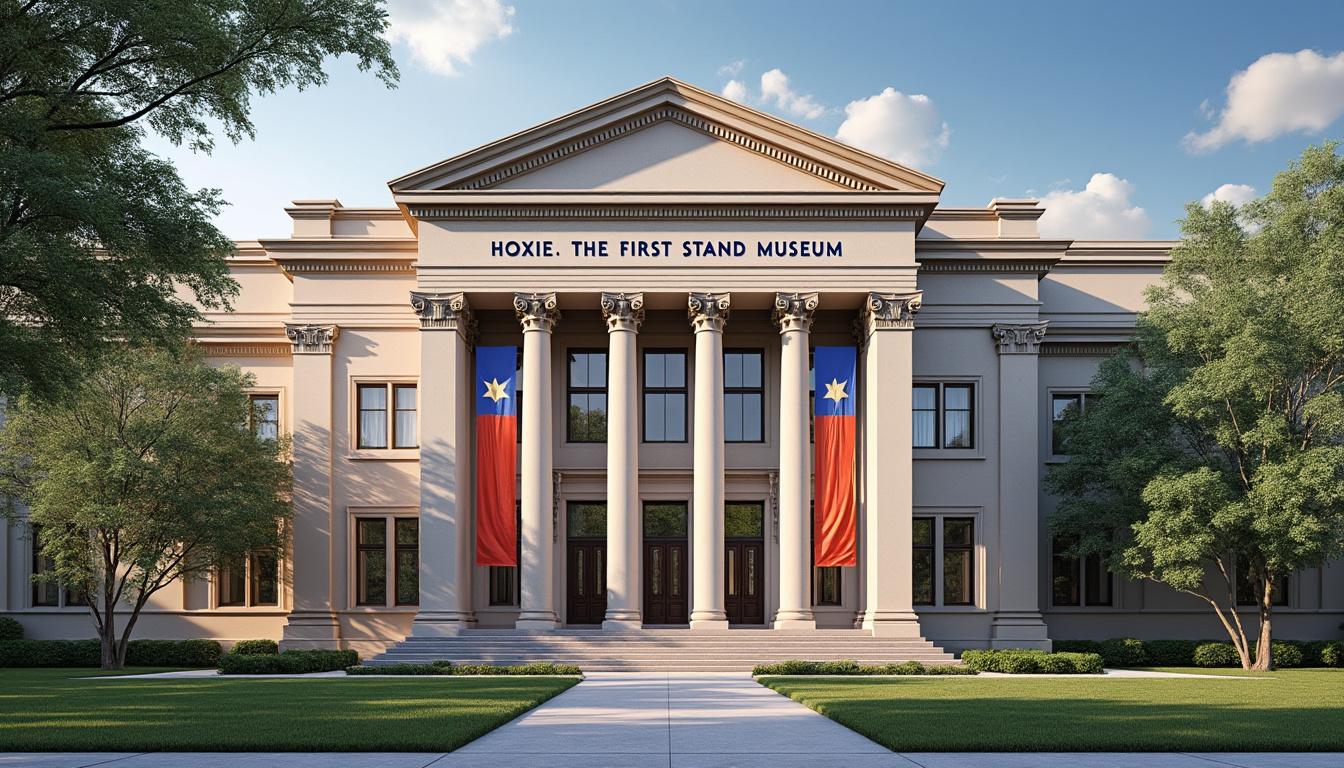
Innovative Exhibition Strategies for Immersive Historical Storytelling in Museums
Producing a meaningful museum exhibition that captures the depth and nuances of the Hoxie integration struggle requires not only meticulous historical research but also innovative presentation strategies. The The First Stand Museum incorporates a variety of interactive elements and multimedia content designed to engage both scholars and casual visitors alike.
Key to the museum’s appeal is the thoughtful integration of smart tour guide technology. Utilizing applications like Grupem, museums can transform conventional static displays into dynamic audio and visual experiences. These apps provide customizable narrative layers that visitors access on their smartphones, allowing for an individualized and layered exploration of exhibits.
The Ethel Tompkins Exhibit Hall features audiovisual presentations, original newspaper clippings, photographs, and personal testimonies, ensuring that every visitor connects emotionally and intellectually with the exhibited material. This digital layering enriches interpretive possibilities and supports accessibility by offering multilingual support and audio descriptions.
Exhibition designers often face the challenge of balancing factual accuracy with emotional resonance. The official museum website offers detailed archives and insights into how the curators addressed these challenges, showcasing best practices for curating contentious historical episodes that honor all participants’ experiences.
For museums looking to enhance their exhibitions, incorporating smart audio tours and interactive digital content promotes visitor engagement, making history tangible and relevant. Such approaches align with 2026 trends prioritizing user-centered experiences in cultural heritage sites.
Engaging Diverse Audiences Through Inclusive Historical Narratives
The museum’s mission to present a comprehensive, truthful narrative about school integration highlights the importance of inclusive storytelling in cultural venues. The story of Hoxie’s desegregation transcends regional history, addressing universal themes of courage, resistance, and reconciliation.
Central to this mission is the museum’s effort to represent both Black and white community members’ perspectives, underscoring how integration impacted every part of society. This inclusive approach resists the traditional one-sided retelling often observed in civil rights museums. By incorporating oral histories and personal accounts collected over decades, the museum ensures a multi-dimensional portrayal.
Implementing such complex narratives challenges museum professionals to create exhibitions that avoid oversimplification while maintaining accessibility. Training frontline staff and guides to facilitate sensitive conversations is equally essential for enhancing visitor understanding and empathy.
Additionally, the museum acts as a platform for dialogue and education, sometimes hosting panel discussions and educational events that further contextualize the historical period. Collaborations with local schools and universities amplify the museum’s impact by integrating its resources into educational curricula.
These efforts exemplify how cultural institutions can utilize technology and community partnerships to foster deeper engagement. The museum illustrates a model for heritage sites seeking to cultivate social responsibility and active citizenship among visitors.
Organizing a Successful Grand Opening Event to Maximize Cultural Impact
The public ribbon-cutting ceremony held on January 24 marks a significant cultural event for Hoxie and heritage tourism in Arkansas. Carefully planned, the event aims to maximize visibility and community involvement, delivered free to ensure inclusivity.
Key components of the event include:
- 🎉 Ribbon cutting hosted by the Lawrence County Chamber of Commerce, cementing strong institutional partnerships.
- 🎤 Speeches from influential figures such as museum president Ethel Tompkins and vice president Frances Green, providing personal perspectives on the historical significance.
- 🏛️ Opening of the Ethel Tompkins Exhibit Hall, offering visitors firsthand access to newly curated exhibitions.
- 📚 Educational materials and interactive displays to engage visitors of all ages.
- 🤝 Opportunities for networking among heritage professionals, local community leaders, and visitors.
The ceremony itself serves as a case study in managing cultural events to bolster museum attendance and community awareness. Effective publicity through channels like newsbreak articles and local press coverage increases outreach, while social media engagement via platforms such as community Facebook pages sustains visitor interest beyond the event.
Museum professionals can glean from this event the value of integrating diverse communication tools and community relations to ensure a memorable and meaningful opening for any museum or cultural venue.
Utilizing Smart Tourist Technologies for Enhanced Visitor Experiences in Museums
One of the leading strategies to modernize cultural institutions while preserving historical depth is the adoption of smart tourism technologies. The Hoxie: The First Stand Museum demonstrates the benefits of embedding technology to elevate the visitor experience.
Tools like the Grupem audio guide application transform smartphones into personalized museum guides, offering layered narratives that include explanatory content, historical context, and reflective questions. This technology caters to a variety of learning pace and styles, supports accessibility, and enriches immersion.
Furthermore, technology enables museums to collect anonymized data on visitor engagement patterns, allowing curators to refine exhibition layouts and content for optimal impact. Such insights are invaluable for continuous improvement and fundraising justification.
Smart audio guides can also be updated remotely, ensuring that exhibits stay current without costly physical revisions. The adaptability of digital solutions makes them ideal both for small venues like Hoxie and large-scale institutions such as those detailed in Grupem’s coverage of top museum debuts, including the Grand Egyptian Museum and other internationally recognized venues.
For museums aiming to adopt these technologies, beginning with scalable audio guides and user-friendly interfaces is a sensible first step. It creates an engaging experience for audiences, supports inclusion, and enhances cultural tourism’s economic sustainability.
Key benefits summarized in table form:
| 🔍 Feature | 💡 Benefit | 🎯 Application Example |
|---|---|---|
| Interactive Audio Guides | Improves visitor engagement with layered storytelling | Grupem app enhancing the Hoxie Museum tour experience |
| Multilingual Support | Broadens audience accessibility, fosters inclusion | Smart tech integration in cultural heritage sites globally |
| Remote Content Updates | Ensures latest historical research is reflected in exhibits | Dynamic updates in museums like the Grand Egyptian Museum |
What historical event does the Hoxie: The First Stand Museum commemorate?
The museum commemorates the 1955 school integration in Hoxie, Arkansas, one of the earliest efforts in the Southern United States to implement Brown v. Board of Education.
How can smart audio guide technology benefit museum visitors?
Smart audio guides provide visitors with personalized, interactive narratives that enhance engagement, support accessibility, and allow deeper exploration at their own pace.
Who was Ethel Tompkins and why is she significant?
Ethel Tompkins was the first Black student to graduate from Hoxie High School and serves as the president of the museum, symbolizing the community’s journey toward equality.
What role does community involvement play in museums like the Hoxie Museum?
Community involvement ensures the preservation of diverse stories, promotes inclusive narratives, and helps sustain the museum through donations and active participation.
Where can one find more information about the museum and its events?
Official museum information is available via their website, event pages such as on Facebook, and local news coverage, ensuring visitors can plan their visit effectively.
