
Few moments to spare? Here is what you need to keep in mind:
- 🎙️ Voice Cloning and Deepfake Audio increasingly blur the lines between genuine artistic expression and AI-generated imitations.
- 🛡️ Copyright Disputes involving AI reveal critical gaps in intellectual property rights management for musicians, especially independent folk artists.
- ⚖️ Law Enforcement and Regulatory Efforts face complex challenges regulating AI in music while protecting artist rights without stifling innovation.
AI Voice Cloning and the New Frontier for Folk Singers in the Music Industry
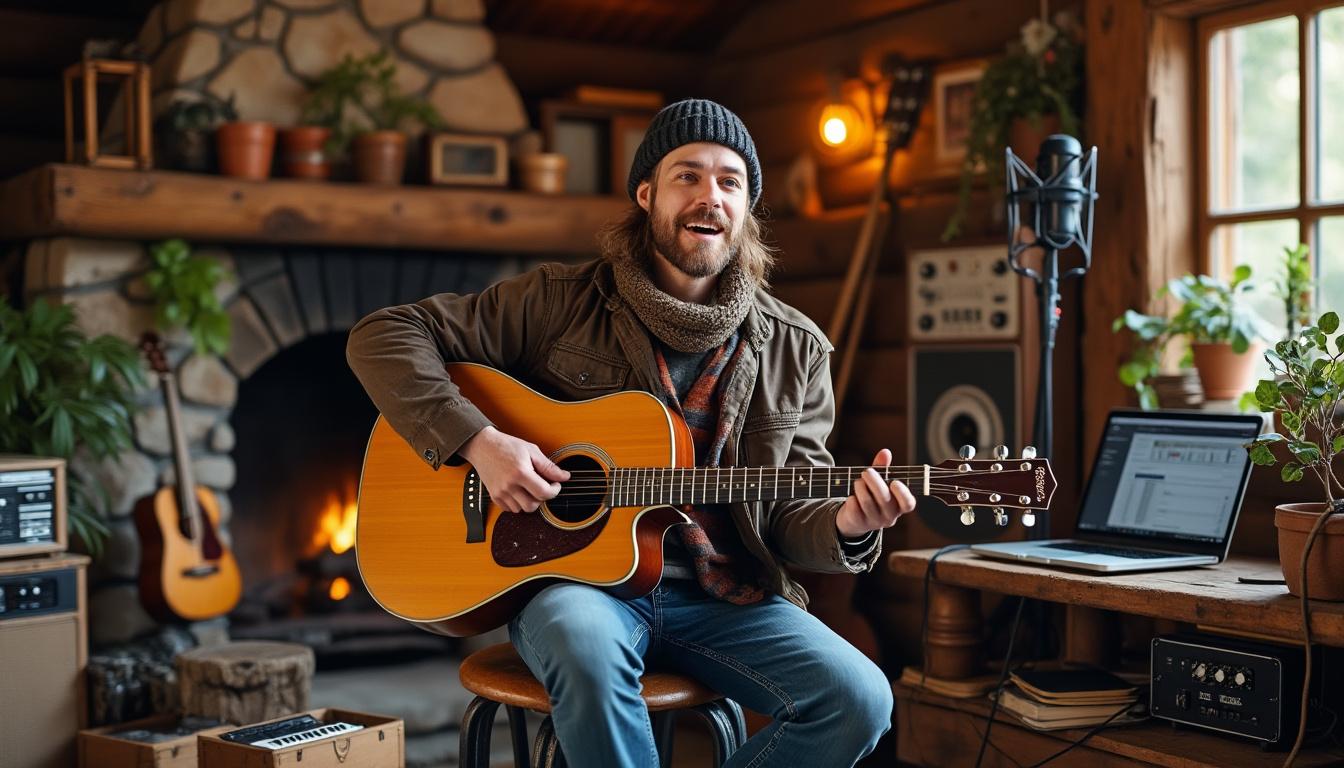
Artificial Intelligence has rapidly transformed how music is produced, distributed, and consumed. One particularly disruptive innovation is voice cloning, which enables the replication of a musician’s vocal timbre, style, and nuances through advanced machine learning techniques. This technology—while promising new avenues for creative collaboration and personalized audio experiences—has equally fostered substantial controversy when misappropriated. A vivid case involves a North Carolina folk singer, Murphy Campbell, whose voice was cloned by AI and subsequently used without consent to produce unauthorized cover songs distributed widely on platforms like Spotify.
Voice cloning works by analyzing massive datasets of vocal recordings to create digital models mirroring the sound and expression of specific singers. In Murphy Campbell’s case, her publicly available YouTube performances were allegedly scraped and processed through such tools to generate AI impersonations that now appear on streaming sites under her name. This unauthorized use not only infringes on her artistic identity but also complicates how copyright protections apply to AI-generated works, given that some underlying songs are public domain pieces.
While AI-generated music and voice replication can open innovative pathways—such as augmented tour experiences or digitally enhanced folk narratives—there is a growing need to clarify ethical and legal boundaries. Content creators and distributors must develop robust strategies for recognizing and handling AI-enhanced audio to safeguard original voices without discouraging technological progress. Exploring these nuances, particularly for independent artists who lack institutional support, is essential for ensuring a fair and transparent music ecosystem.
For professionals leveraging audio technology in cultural tourism or museums, understanding how voice cloning might affect intellectual property rights is also pivotal. For instance, employing AI-driven narration or immersive audio tours using cloned vocal samples requires precise authorization processes and informed permissions to avoid legal entanglements.
Unpacking the Complex Copyright Dispute Emerging from AI-Generated Folk Music
The copyright dispute surrounding Murphy Campbell’s AI voice cloning extends far beyond isolated infringement, illuminating systemic gaps in digital rights management. Campbell discovered in early 2026 that AI-generated covers of her folk songs, notably traditional Appalachian pieces, had been uploaded to her Spotify profile without her approval. Furthermore, a malicious third party used Vydia, a gamma-owned distributor’s Content ID platform, to file unfounded copyright claims against her legitimate YouTube videos.
This situation exposes the shortcomings of current automated content recognition (ACR) technologies, which are critical for fingerprinting and verifying authentic recordings. According to Roy LaManna, head of Vydia, Campbell’s original performances were not present in ACR databases, enabling exploitative actors to preemptively claim ownership, thus hijacking revenue streams and confusing audiences regarding genuine recordings.
The dispute highlights a paradox: traditional folk songs like “In the Pines,” from the public domain since the 1870s, lack exclusive copyright for compositions, yet specific modern recordings retain protection as sound recordings. This divide has become fertile ground for copyright trolls leveraging AI and distributor systems to assert fraudulent claims, undermining artist rights.
In response, platforms, distributors, and artists must intensify collaboration to implement more sophisticated recognition algorithms and proactive monitoring tools to prevent similar fraudulent activity. The proliferation of AI-generated deepfake audio amplifies these challenges, demanding continuous refinement of legal frameworks, industry standards, and technological defenses.
| Aspect ⚖️ | Description | Impact on Folk Artists 🎶 |
|---|---|---|
| Public Domain Songs | Traditional songs not protected under current copyrights | Allows broad use but recording protections remain with performers |
| Sound Recordings | Copyrighted specific to artist’s actual performance | At risk from AI-generated copies and false claims |
| Content ID Systems | Automated platforms for copyright detection and monetization | Vulnerable to exploitation if databases lack artist content |
| AI Voice Cloning | Machine learning creates near-exact vocal replicas | Raises issues over originality and unauthorized distribution |
Understanding these facets is essential for any stakeholders in the folk music scene or broader music industry navigating the evolving intersection between intellectual property and artificial intelligence. Transparency and education around rights and emerging technologies will be crucial levers in defending artistic integrity.
Law Enforcement and the Legal Ambiguity of AI-Generated Music and Copyright
The legal system faces unprecedented challenges as AI innovations strain traditional frameworks of copyright enforcement and intellectual property protection. Law enforcement agencies and judicial authorities must grapple with questions about the authenticity of AI-generated content and how it fits within existing legislation crafted for human-made works.
The case involving Murphy Campbell underscores the blurry legal waters where AI-generated music impersonates human performances while exploiting gaps in content identification. Notably, the distributor Vydia experienced significant backlash, including death threats, after false copyright claims were filed through its platform and the company’s role was publicly scrutinized. The situation illuminated how third parties can exploit platform vulnerabilities, leading to extensive reputational damage for intermediaries.
Complicating matters, evolving regulations such as the newly introduced Ensuring Likeness Voice and Image Security (ELVIS) Act aim to address deepfakes and voice clones, but their implementation is nascent and jurisdictionally limited. Policymakers balance protecting artists’ rights against hindering innovation. Global platforms like TikTok’s collaboration with audio fingerprinting services showcase early industry efforts to detect and prevent unauthorized AI-derived content uploads before reaching streaming sites.
This legal ambiguity also incentivizes law enforcement to deepen technical expertise and develop multi-stakeholder coalitions, involving technology firms, music labels, and independent artists, to design adaptive frameworks for digital evidence, intellectual property validation, and fraud detection.
- 🔍 Greater scrutiny through refined audio recognition technologies
- ⚖️ Legislative updates targeting AI-produced deepfakes and voice clones
- 🚨 Collaboration among legal, tech, and creative sectors to enhance enforcement efficacy
- 💼 Expanded artist education on AI risks and protective measures
These approaches signify a pivotal turning point as law enforcement navigates the intricacies of AI-driven content, emphasizing the need for continuous dialogue, technical innovation, and solid legal foundations for the music industry’s future.
Practical Implications for Musicians and Cultural Organizations Using AI Audio Technologies
For artists, museums, tourism operators, and event organizers in 2026, the rise of AI voice cloning poses critical operational and ethical concerns. Employing AI-enhanced audio content can greatly enrich visitor experiences — through immersive guided tours narrated by cloned voices or AI-generated folk music arrangements. Yet, proper management of copyright and permissions becomes paramount to avoid unintended infringements or controversy.
Cultural organizations can draw valuable lessons from the Murphy Campbell episode, emphasizing these best practices:
- 🎧 Ensure all audio content—particularly AI-generated or voice-cloned material—is properly licensed and cleared with rights holders before public deployment.
- 🛠️ Invest in advanced content identification tools integrated within digital platforms to monitor unauthorized usage.
- 📚 Train staff and collaborators on ethical considerations and legal frameworks for AI applications in creative contexts.
- 🗣️ Where possible, involve artists directly in authorizing AI reproductions of their voices or works to establish transparent consent processes.
- 🔄 Regularly update content libraries and fingerprint databases to reflect evolving catalogs and newly registered recordings.
By adopting such systematic protocols, cultural institutions can leverage AI innovations responsibly, fostering engaging visitor interactions while respecting music rights and intellectual property regulations. Groups specializing in smart tourism technologies stand to benefit by developing customizable solutions that embed copyright compliance checks within AI-powered guides and audio tools, ensuring that the allure of voice cloning enhances rather than jeopardizes the authenticity and fairness of cultural programming.
Strategies to Address the Controversy Surrounding AI-Generated Folk Music and Copyright
The controversy ignited by AI-generated folk music impersonations places a spotlight on the urgent need for robust strategies to safeguard both artists and the industry. These initiatives must address foundational technological gaps, enhance legal protections, and raise awareness among stakeholders. Key approaches include:
- 🔍 Enhanced ACR Database Coverage: Expanding the inclusion of independent and niche artists in content recognition databases to prevent unauthorized claims and misuse.
- 🧑⚖️ Targeted Legislation: Advocating for laws explicitly governing AI voice cloning, deepfake audio, and associated copyright implications, such as the ELVIS Act, to ensure clear rights and remedies.
- 🛡️ Platform Accountability: Pressuring streaming services and distributors to implement more rigorous pre-upload audio verification and artist approval mechanisms, exemplified by Spotify’s opt-in feature for artists.
- 🎓 Artist Education: Providing accessible resources and training on how AI impacts music rights, enabling creators to proactively protect their work (see Grupem’s resource on AI voice cloning risks).
- 🤝 Collaborative Industry Response: Encouraging partnerships among music labels, AI developers, legal experts, and cultural organizations to develop ethical standards and technical safeguards.
Effectively navigating this multifaceted controversy requires concerted effort from every stakeholder in the music ecosystem to uphold artist integrity while embracing meaningful innovation. The lessons drawn from folk singer Murphy Campbell’s ordeal highlight the delicate balance between protecting intellectual property and adapting to AI’s transformative potential.
What is AI voice cloning, and how does it affect musicians?
AI voice cloning uses machine learning models to replicate an individual’s vocal characteristics, allowing the creation of synthetic songs or performances that can closely mimic the original artist’s voice. This technology raises concerns regarding consent, authenticity, and copyright infringement, particularly for independent musicians.
How do copyright laws apply to AI-generated music?
Copyright laws generally protect original recordings and compositions, but AI-generated content challenges existing frameworks because it can produce near-exact replicas without clear ownership. Legal systems are adapting by introducing laws like the ELVIS Act to address these gaps and protect artists’ digital likenesses.
What can artists and cultural organizations do to protect their rights against AI misuse?
Ensuring content is registered in audio recognition databases, actively monitoring platforms for unauthorized use, obtaining explicit permissions for AI replications, and educating teams about copyright risks are critical steps to safeguard rights in the evolving AI landscape.
How are streaming platforms responding to AI-generated music controversies?
Leading platforms are adopting stricter policies including manual artist approvals before releases, improved content filtering technologies, and partnerships with specialized audio fingerprinting services. Spotify’s removal of over 75 million songs suspected of AI manipulation is a notable example.
Why is the case of Murphy Campbell significant in the AI and music industry debate?
Murphy Campbell’s case exemplifies real-world repercussions of AI voice cloning misuse on independent folk artists, underscoring vulnerabilities in current copyright enforcement mechanisms and catalyzing industry discussions on policy, technology, and ethical standards.
