
Peu de temps ? Voici l’essentiel à retenir :
- ✅ Discover how the Detroit Symphony Orchestra’s “50 Years of Classical Roots” exhibit illuminates Black contributions to classical music
- ✅ Experience the Motown Museum’s immersive “Psychedelic Soul” exhibit showcasing the transformative era of late 1960s R&B
- ✅ Leverage innovative exhibition design and smart audio technologies to enhance visitor engagement and accessibility
Highlighting Black Contributions to Classical Music: The DSO’s “50 Years of Classical Roots” Exhibit
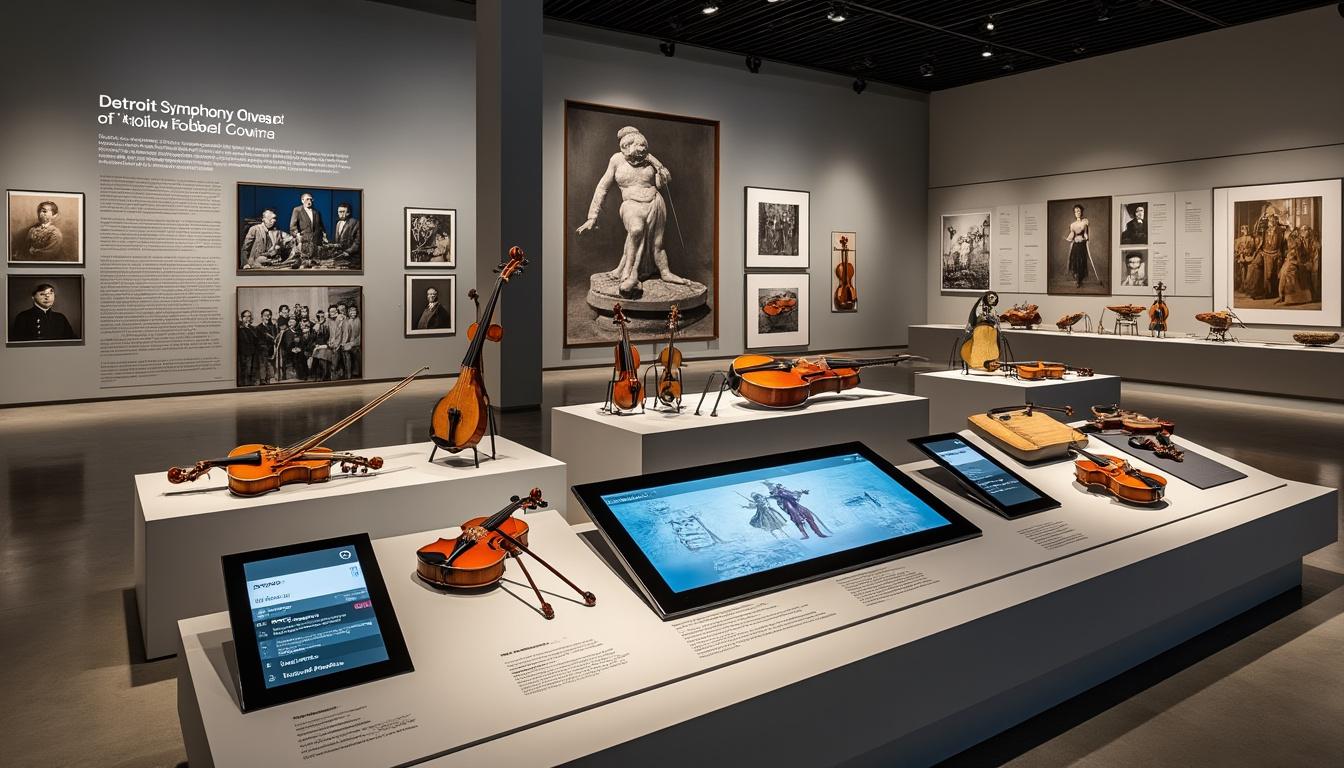
The Detroit Symphony Orchestra (DSO) takes a significant step in spotlighting a vital yet underrepresented facet of Detroit’s rich music heritage with its latest immersive exhibit, “50 Years of Classical Roots.” This initiative celebrates the enduring legacy of the DSO’s Classical Roots program, which started in 1978. Designed to honor Black musicians and composers whose contributions to classical music have historically been marginalized, the exhibit offers a comprehensive narrative spanning nearly five decades.
The Classical Roots program was inaugurated under the guidance of then-resident conductor Paul Freeman and choral director Brazeal Dennard, who together aimed to amplify Detroit’s formidable Black classical talents. It began with a concert at Bethel AME Church and moved to the more prominent Orchestra Hall in 1981, where it solidified its place in the DSO’s annual offerings. Now, with this exhibit housed on the third floor of the William Davidson Atrium within the Max M. & Marjorie S. Fisher Music Center, it invites visitors to engage deeply with a curated selection of oral histories, photographs, and rare artifacts drawn from the program’s archives.
One key strength of the exhibit lies in its immersive design and use of smart audio technologies. Visitors navigate through a well-crafted journey that integrates archival recordings and interviews, allowing for an enveloping sonic and visual experience. The incorporation of these multimedia elements reflects Grupem’s philosophy of utilizing technology to make cultural heritage more accessible and impactful for diverse audiences. This approach not only preserves the authenticity of the narratives but also enhances visitor engagement, a crucial factor for modern museums intent on offering meaningful educational experiences.
Moreover, “50 Years of Classical Roots” serves as a dynamic educational tool, fostering understanding and appreciation of Black contributions within the classical music canon. For example, attendees can explore works by Valerie Coleman and the late Florence Price, both highlighted for their groundbreaking compositions during the upcoming 2027 concert season. This ongoing recognition serves as a testament to the program’s sustainability and the DSO’s commitment to diversity and representation in classical music programming.
For professionals in tourism and museum management, this exhibit exemplifies how cultural institutions can modernize their communication strategies. By embracing digital storytelling and integrating historical content with advanced audio-visual aids, museums can create engaging narratives that resonate across generational and cultural boundaries. Such efforts also support smart tourism initiatives by broadening access and enriching the visitor experience through a multi-sensory approach.
Access to the exhibit is conveniently scheduled during all DSO concerts and events, ensuring visitors have ample opportunities to explore it in conjunction with live performances. Positioned in a high-traffic venue, the exhibit effectively leverages existing tourist flows, optimizing audience reach while adding substantive value to patrons’ cultural visits.
Exploring Motown’s Psychedelic Soul Era: A Tour Through Rhythm and Time
The Motown Museum, a cornerstone of Detroit’s cultural heritage and renowned worldwide as the home of Hitsville U.S.A., introduces an evocative new exhibit entitled “Psychedelic Soul: A Journey Through Rhythm and Time.” This presentation delves into the transformative period between 1967 and 1975 when Motown artists such as the Temptations, guided by visionary producer Norman Whitfield, evolved the traditional R&B sound into a bold, experimental style known as psychedelic soul.
Set to open in April 2026 at the recently established Esther Gordy Edwards Centre for Excellence—located just two blocks from the main museum and currently undergoing a comprehensive 40,000-square-foot expansion—the exhibit promises an immersive multimedia experience. Patrons will have access to an extensive array of artifacts, including original wardrobe pieces, vintage vinyl records, and interactive displays that blend audio and visual storytelling to paint a vivid picture of this innovative musical era.
“Psychedelic Soul” is particularly notable for its integration of guided tours that encourage active engagement with the collection, harnessing smart audio technology to provide contextual narratives and historical insights. This approach aligns with contemporary shifts in museum curation, where visitor interaction and personalized content delivery play pivotal roles in enhancing educational impact. Such technological application is a valuable case study for institutions aiming to improve both accessibility and audience retention.
Although the main Motown Museum campus is temporarily closed for its significant expansion project, this exhibit maintains public access to the institution’s cultural offerings, sustaining momentum and interest throughout the construction period. This strategic decision reinforces the museum’s role in preserving Detroit’s music legacy while progressively upgrading its facilities and programming.
Beyond the theatrical displays and memorabilia, “Psychedelic Soul” underscores a broader narrative about cultural innovation and resilience. It highlights how Motown’s creative evolution mirrored societal shifts during a pivotal historical moment, enriching the collective understanding of music history and Detroit’s unique contribution to global soundscapes.
Tourism professionals and museum organizers can gain valuable insights from this exhibit’s design philosophy, which seamlessly blends historical storytelling with technological innovation. It emphasizes the importance of adaptability in cultural institutions, ensuring exhibits stay relevant and engaging in dynamic contexts.
Key features of the “Psychedelic Soul” exhibit include:
- 🎸 Authentic stage costumes worn by Motown legends
- 🎧 Interactive listening stations with curated playlists
- 🕹️ Multimedia presentations highlighting album artwork and music videos
- 🖼️ Historical photographs documenting recording sessions and performances
- 📜 Oral histories from artists, producers, and fans
The exhibit will be open Wednesdays through Sundays from 10 a.m. to 5 p.m., inviting both Detroit locals and global visitors to experience this milestone of cultural heritage first-hand. For detailed information on schedules and ticketing, visiting the official Motown Museum website is highly recommended.
Innovative Exhibition Design Strategies to Enhance Visitor Engagement and Accessibility
The launch of these two significant exhibits in Detroit — the DSO’s “50 Years of Classical Roots” and the Motown Museum’s “Psychedelic Soul” — exemplifies broader trends in exhibition design centered around audience-centric innovation. Both institutions leverage an array of smart audio technologies and interactive elements to improve accessibility, offering lessons for cultural sites worldwide.
Smart audio guide systems like those championed by Grupem transform the visitor experience by offering personalized, context-rich narratives at the listener’s convenience. Such solutions are crucial for diverse audiences, including non-native speakers, individuals with auditory or visual impairments, or those preferring self-paced exploration. With Grupem’s mobile app technology, museums can implement scalable, cost-effective audio guides that support multi-language options, enhancing inclusivity without necessitating extensive infrastructure upgrades.
Moreover, integrating multimedia touchpoints—such as interactive displays, virtual reality snippets, and augmented reality overlays—adds depth to traditional exhibit formats. In Detroit’s case, this has facilitated the revival of music history through tangible cultural artifacts, complemented by immersive soundscapes capturing the distinct moods of classical concerts or Motown’s vibrant studio sessions.
Harnessing these technologies also benefits institutions by extending the lifecycle of exhibits beyond physical presence. Digital archives and virtual experiences help museums reach global audiences and sustain engagement during off-season or when onsite visitations are limited, as seen during the Motown Museum’s expansion closure.
| 🎵 Exhibition Feature | ✨ Benefit | 📍 Example in Detroit Exhibits |
|---|---|---|
| Smart Audio Guides | Enhanced accessibility and personalized storytelling | Guided tours in “Psychedelic Soul” featuring artist oral histories |
| Multimedia Displays | Increased visitor engagement and richer contextual info | Audio-visual presentations in “50 Years of Classical Roots” |
| Interactive Exhibits | Active learning and deeper connection with artifacts | Listening stations and costume displays at Motown Museum |
| Virtual and Augmented Reality | Extended reach to online and remote audiences | Digital archives supporting Motown’s brand expansion |
For museums and cultural institutions planning similar initiatives, adopting these technologies can significantly improve the quality of visitor experiences and operational efficiency. This philosophy is at the core of Grupem’s offering, positioning the app as a go-to solution for professionals seeking to modernize cultural interpretation without overcomplicating their infrastructure.
Detroit’s Music Heritage as a Pillar of Cultural Tourism and Economic Growth
Detroit’s status as a cultural hub is deeply intertwined with its historic musical achievements, and these exciting new exhibitions solidify the city’s position as a leading destination for music heritage tourism. Highlighting the city’s dynamic contributions—from classical music to pioneering R&B innovations—showcases Detroit’s multifaceted legacy and attracts diverse visitor segments.
Strategic investment in museum expansions and innovative programming, such as the Motown Museum’s ongoing $75 million expansion project, demonstrates the city’s commitment to preserving and amplifying its musical footprint. Notably, this project aims to create a multi-use entertainment and educational complex that will further enhance Detroit’s cultural landscape by 2026 and beyond. Such developments not only enrich the visitor experience but also catalyze local economic activity by increasing tourism-related revenue streams.
Here are essential factors positioning Detroit’s music legacy as a critical driver of cultural tourism:
- 🎤 Cross-generational appeal: Exhibits cater to older generations familiar with Motown’s golden age and younger audiences eager to explore Detroit’s evolving musical scenes.
- 🎶 Community engagement: Collaborations with local artists and historians foster authentic storytelling and community pride.
- 💡 Technological innovation: Adoption of cutting-edge audio and digital storytelling tools enhances accessibility and global reach.
- 📚 Educational partnerships: Programs involving schools and universities integrate music heritage into curricula and inspire cultural preservation.
- 🌍 Tourism diversification: By expanding cultural offerings, Detroit attracts a broad spectrum of visitors beyond typical sports or automotive tourism.
Furthermore, the integration of smart audio guide technology as promoted by Grupem bolsters this tourism model by offering seamless and informative visitor pathways. These tools facilitate richer storytelling without burdening staff, ensuring a scalable approach to managing larger audiences while maintaining high educational standards.
Stakeholders across museology, cultural event planning, and tourism development may find value in monitoring Detroit’s ongoing initiatives. Emerging best practices from these exhibition rollouts influence how cities with rich artistic traditions capitalize on cultural heritage sustainably.
Practical Steps to Implement Smart Audio and Immersive Techniques in Museum Settings
Drawing lessons from Detroit’s recent exhibition debuts, cultural institutions aiming to elevate visitor experiences should consider a phased approach to integrating smart audio technology and immersive exhibition elements. This strategy keeps projects manageable and ensures alignment with organizational goals, budgets, and audience expectations.
- 🔍 Assess Audience Needs: Conduct surveys and user research to understand visitor demographics, language preferences, accessibility requirements, and content interests.
- 🎙️ Select Appropriate Technologies: Choose audio guide solutions like the Grupem app that support multi-language tracks, offline access, and user-friendly interfaces.
- 🎨 Design Engaging Content: Collaborate with curators, historians, and audio producers to create compelling narratives incorporating storytelling, soundscapes, and interviews.
- 🛠️ Implement Interactive Features: Incorporate multimedia displays, touchscreens, and interactive listening stations to complement the audio experience.
- 🤝 Train Staff and Promote Usage: Equip frontline personnel with knowledge to assist visitors and actively promote the availability of audio guides and immersive tools.
- 📈 Monitor and Optimize: Gather visitor feedback and usage data to continually refine content and technology deployment.
This actionable framework ensures a sustainable approach to modernizing cultural interpretation and broadening audience engagement. Museums can thus maintain relevance while enriching their educational mission through innovative, technology-enhanced exhibits.
For further insights and inspiration, cultural professionals may explore Grupem’s case studies and detailed guides on enhancing museum accessibility and visitor engagement via mobile audio technologies via this expert resource on Black museums.
What are the main themes of the DSO’s “50 Years of Classical Roots” exhibit?
The exhibit focuses on the Detroit Symphony Orchestra’s Classical Roots program, highlighting Black contributions to classical music through oral histories, photos, and artifacts spanning nearly 50 years.
When and where can I visit the Motown Museum’s “Psychedelic Soul” exhibit?
The exhibit is open from April 17 through September 27, Wednesdays through Sundays, 10 a.m. to 5 p.m., at the Esther Gordy Edwards Centre for Excellence, just two blocks from the main Motown Museum campus.
How do smart audio guides improve museum visitor experiences?
Smart audio guides offer personalized, accessible storytelling that caters to diverse audiences with features such as multi-language support, offline functionality, and rich multimedia content, enhancing engagement and educational impact.
What ongoing developments are shaping Detroit’s music heritage tourism?
Detroit’s Motown Museum is undergoing a $75 million expansion with new exhibits and entertainment spaces planned to open by 2026, positioning the city as a cultural tourism leader by integrating historical preservation with innovative programming.
How can cultural institutions begin implementing technology-enhanced exhibits?
Start with assessing audience needs, selecting scalable audio technologies like Grupem, designing engaging content, incorporating interactive elements, training staff, and continuously improving based on visitor feedback.
