
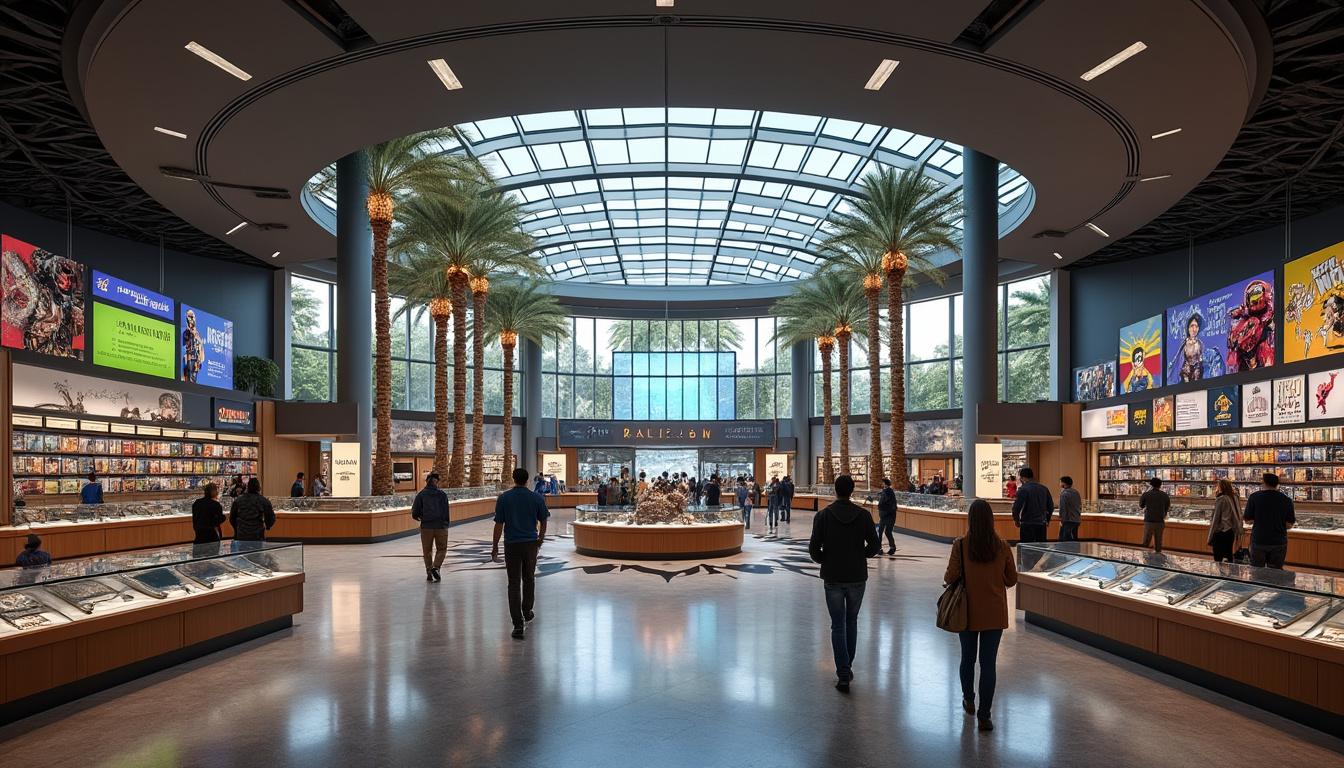
Few have witnessed the Comic-Con Museum in Balboa Park as serene as on a recent Tuesday, contrasting the usual bustling crowd typically spilling out the door. This development follows the implementation of a new paid parking policy, which has notably altered visitor dynamics and event attendance. Such changes affect not just the flow of guests but also the overall visitor experience at this cultural hotspot in San Diego.
Quick insights:
- ✅ The paid parking policy has led to remarkably reduced crowds on Comic-Con Museum’s traditional free admission Tuesday.
- ✅ Effective crowd management now supports a more enjoyable and relaxed museum visit for San Diego residents during their designated free access day.
- ✅ Understanding the interplay between parking policies and cultural event attendance is essential for museums and event organizers.
- ✅ Bonus: Adopting digital tools like Grupem enhances visitor engagement and accessibility in evolving urban tourism contexts.
Parking Policy Transformation and Its Impact on Event Attendance at Comic-Con Museum
The introduction of the paid parking system at Balboa Park has been a pivotal change with considerable influence on the Comic-Con Museum’s visitor flow. Historically, “Free Tuesday” granted complimentary admission to San Diego county residents, fostering large crowds eager to experience pop culture and exhibition offerings without entrance fees.
Parking availability and cost significantly influence attendance at urban cultural destinations. Since the policy’s enforcement, museum staff have observed, as reported in local news coverage, an unprecedented lack of lines despite it being a resident free Tuesday. This shift signals a direct correlation between new parking fees and visitor patterns, essential information for event coordinators and tourism professionals.
Creating sustainable visitor experiences involves addressing access logistics, where parking policies become critical levers. Museums, such as the Comic-Con Museum, now operate in a context where access via personal vehicles demands reconsideration. This is a developing case study in balancing operational finances with community engagement.
The paid parking policy encourages alternative transport modes, potentially reducing congestion and environmental impact within Balboa Park. Aligning parking strategies with public transport enhancements might further optimize event attendance without alienating prospective visitors. Lessons here extend beyond Balboa Park, offering a model for cultural hubs worldwide looking to sustainably manage crowds while maintaining accessibility.
Resident Free Days Program: Enhancing Local Engagement and Museum Visit Experience
Balboa Park’s Resident Free Days program grants San Diego county residents and active military personnel prioritized access to several museums, including the Comic-Con Museum, by waiving admission fees on designated Tuesdays. This program stands as a cornerstone in promoting cultural inclusion and participation among locals.
However, with parking becoming a paid service, the visitor experience on these days has evolved significantly. The noticeable absence of long queues, a typical feature on Free Tuesdays, provides a more silent, contemplative museum environment. This quieter atmosphere allows visitors to engage with exhibits more deeply, potentially raising satisfaction and educational impact.
When examining museum visit logistics, it is crucial to consider not just entrance fees but the entire journey, including transportation and parking. The quality of the visitor experience is inherently tied to ease of access and comfort throughout the visit. By integrating smart tourism tools like the mobile app Grupem, which offers professional audio guides, museums can elevate the cultural mediation experience despite changes in physical access dynamics.
Moreover, comprehensive information that residents and visitors require—regarding restricted exhibits or special exhibition exclusions (such as the Doctor Who: Worlds of Wonder aisle)—is efficiently communicated through official channels like the Comic-Con Museum site. Clear, accessible communication further enhances the value delivered on these specially designated free days.
Optimizing Visitor Experience Through Smart Tourism Innovations at Comic-Con Museum
Integrating digital technology to improve visitor experience has never been more critical, especially under new operational constraints such as paid parking and fluctuating attendance. Solutions anchored in smart tourism provide actionable benefits to both museum staff and visitors seeking a crowd-free, meaningful museum experience.
Smart audio guide applications, like Grupem, convert visitor smartphones into dynamic tour companions, ensuring personalized, accessible content for all types of guests. This technology supports seamless navigation of exhibits and delivers context-rich commentary without dependence on scheduled group tours or in-person guides.
With fluctuating attendance following the new parking policy, maintaining visitor engagement quality is paramount. The application’s usage assists in maintaining visitor autonomy over their experience, fostering satisfaction even on quieter days. Additionally, data collected through such apps can guide museum administrators in measuring visitor flow, peak times, and engagement hotspots, informing better scheduling and resource management.
Examples from other cultural attractions utilizing similar technologies demonstrate that visitor retention and learning outcomes improve when augmented by well-designed digital tools. Administrators at Balboa Park are encouraged to consider integrating these systems to align with modern expectations of accessibility and convenience, especially as urban tourism continues evolving in 2026.
Evaluating Crowds and Parking Management in Cultural Institutions: A Practical Guide
Understanding the relationship between crowd volumes and parking infrastructure requires a detailed analysis that can support sustainable tourism development strategies. Balboa Park’s experience illustrates how paid parking policies impact crowd formation, with an immediate effect on the Comic-Con Museum’s weekly free entry day.
Effective crowd management does not simply involve limiting visitor numbers but optimizing the entire ecosystem of access. This includes strategies such as:
- 🚗 Coordinating with city transit authorities for increased public transport options on busy days.
- 🅿️ Implementing tiered parking pricing based on duration and time to encourage short visits.
- 📲 Offering real-time parking availability updates via apps integrated with museum platforms.
- 👥 Scheduling staggered visiting hours to distribute attendance evenly.
- ♿ Ensuring mobility access alongside parking solutions for all visitors.
Such comprehensive measures improve not only the actual event attendance numbers but also shape positive visitor impressions, encouraging return visits and recommendations within the community.
The table below outlines key metrics before and after the implementation of the paid parking policy at Balboa Park’s Comic-Con Museum:
| 🗓️ Metric | 📊 Before Paid Parking | 📉 After Paid Parking |
|---|---|---|
| Average Tuesday Visitor Volume | Over 1,000 visitors | Approximately 400 visitors |
| Peak Hour Wait Time | Up to 1.5 hours | Less than 10 minutes |
| Resident Free Day Attendance | High participation with long queues | Moderate, no lines observed |
| Public Transport Usage | Minimal | Rising trend post-policy |
By analyzing such data, museum and park administrators can refine operational policies further and explore incentivizing sustainable visitor behavior.
Strategic Communication and Community Engagement Around Balboa Park Free Days
Clear, consistent communication remains a pillar for optimizing visitor turnout and satisfaction around important cultural events like the Resident Free Tuesday at Balboa Park. Providing residents with detailed, accessible information on program schedules, parking changes, and exhibit accessibility facilitates better planning and reduces frustration across visitor cohorts.
Various platforms, from official city websites to specialized portals such as Balboa Park’s Resident Free Days page and community blogs like San Diego Mamas’ event listings, effectively promote awareness and manage expectations. These communications emphasize crucial notes including exclusion of some special exhibitions from free admission, and the importance of presenting valid identification for San Diego residents.
Feedback loops, enabled by digital technology and social media, allow continuous improvement in service delivery, aiding cultural institutions in responding swiftly to visitor concerns and trends. The synergy between parking policy implementation and transparent, engaging communication illustrates a holistic approach needed to maintain the health of Balboa Park as a cultural hub.
Experience shared by visitors and museum staff on social platforms and news channels highlights both operational improvements and challenges brought about by the paid parking policy. Monitoring these insights informs ongoing adjustments in Balboa Park’s visitor and parking management strategies.
Who qualifies for free admission on Resident Free Tuesdays at the Comic-Con Museum?
Residents of San Diego County and active military personnel with valid identification qualify for complimentary admission, with some special exhibitions excluded.
How has the new paid parking policy affected visitor numbers at the Comic-Con Museum?
The paid parking policy has decreased visitor volume on Resident Free Tuesdays, leading to notably shorter wait times and a more crowd-free experience.
Are there alternatives to driving and parking at Balboa Park?
Yes, increased public transit options and initiatives to promote ride-sharing have accompanied the new parking policy to ensure sustainable access for visitors.
Can visitors use smart technology to enhance their museum visit?
Applications like Grupem offer personalized audio guides through smartphones, enhancing the visitor experience by providing detailed exhibit information and easy navigation.
Where can visitors find official information about the Resident Free Days program?
Official program details, schedules, and restrictions are available via the Comic-Con Museum’s website and Balboa Park’s official pages, ensuring visitors have reliable resources.
