
Peu de temps ? Voici l’essentiel à retenir :
- 🛑 Brady Tkachuk firmly denounces a fake AI video shared by the White House depicting him insulting Canadians, emphasizing its falsehood and mismatch with his real voice and lips.
- 🛠️ This incident highlights significant issues of misinformation and the challenges presented by deepfake technology in political and social contexts.
- 🎯 Understanding how to identify and respond to such doctored media is crucial to protect reputations and maintain trust in digital communication.
Brady Tkachuk’s rebuttal of the White House AI video and its impact on misinformation
Following Team USA’s historic gold medal victory over Canada at the 2026 Winter Olympics, a controversial AI-generated video emerged, posted on TikTok by the White House. The clip falsely portrayed Brady Tkachuk, a prominent hockey player and captain of the Ottawa Senators, seemingly insulting Canadians with offensive language. In response, Tkachuk publicly denounced the video as “clearly fake”, highlighting the evident dissonance between the dubbed audio and his actual movements and voice.
This case serves as a telling example of the growing risks posed by deepfake technology. These AI-driven alterations manipulate facial expressions and audio to create convincing but entirely fabricated content. For Tkachuk, the video included a fabricated voice claiming he insulted Canadian citizens, specifically using phrases like “maple syrup-eating [expletive],” and a purported call to “close the northern border.”
In multiple statements, Tkachuk insisted these words and sentiments are not his, underscoring that the video was made without his consent or input. His stance sheds light on the severe implications of manipulated content in spreading misinformation that can damage athletes’ reputations and inflame political tensions. The USA Today report chronicled the athlete’s frustration and the broader conversation around responsible use of AI-generated media in public discourse.
As AI tools grow increasingly sophisticated and accessible, public figures like Tkachuk must navigate the complex landscape where technology can be weaponized. This incident highlights the urgency for institutions—both political and sporting—to establish clear guidelines and verification processes to prevent the spread of false digital narratives.
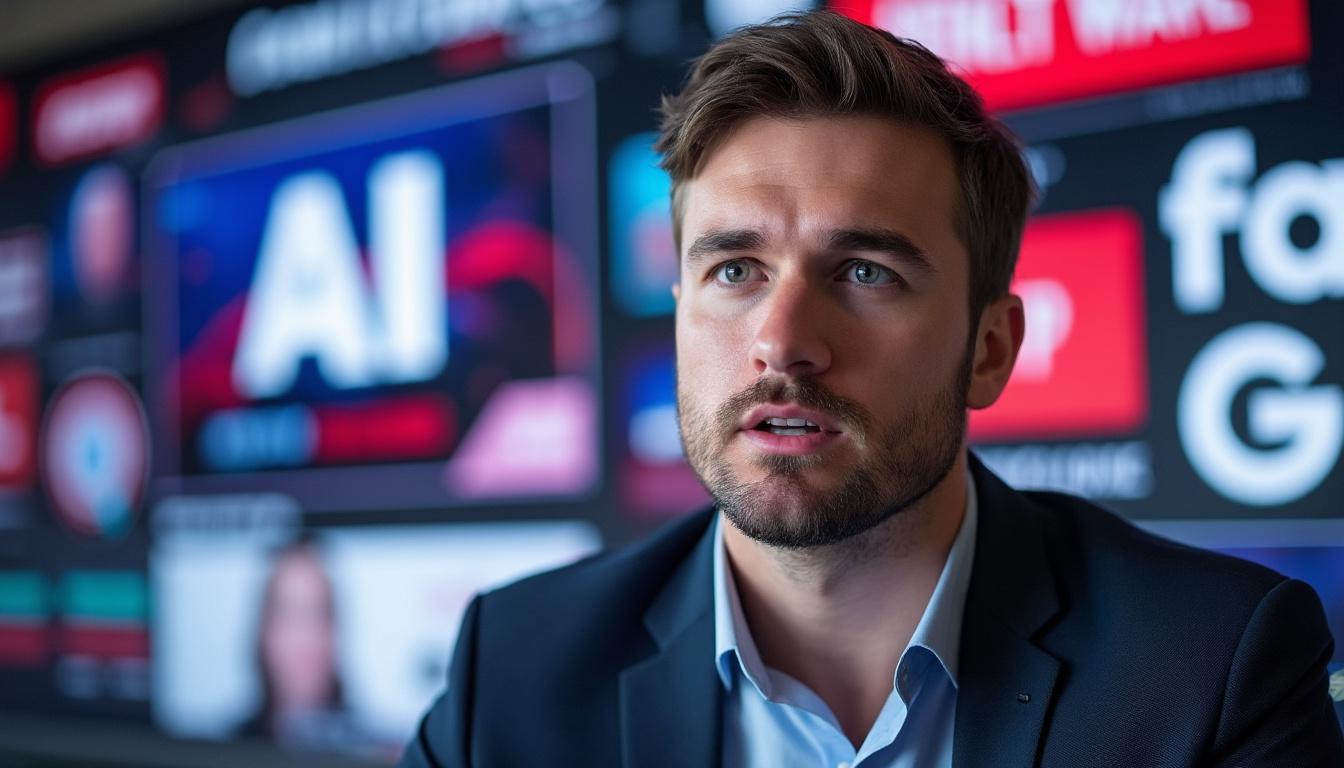
Deepfake and AI video risks in political and sports communication contexts
The incident involving Brady Tkachuk and the White House AI video is emblematic of broader challenges at the intersection of AI technology, sports culture, and political communication. Deepfakes have become increasingly prevalent tools for fabricating audio-visual content that appears authentic, raising concerns over misinformation, defamation, and digital trust.
In political settings, such videos can exacerbate tensions and cause diplomatic discomfort. The fake video with Tkachuk insulting Canadians arrived at a sensitive moment following a highly publicized Olympic final between the U.S. and Canada. Imagery and statements produced without consent or factual basis can inflame nationalistic sentiments and result in misunderstandings between citizens and officials, undermining diplomatic goodwill.
Sports personalities, often seen as ambassadors beyond the rink or field, risk reputational damage that can affect their professional standing and public image. For example, Tkachuk himself plays professionally in Canada, making the false portrayal particularly harmful. The athlete’s refusal to accept the fabricated content and call out the video publicly is a necessary act to protect personal and professional integrity.
The realm of AI-generated media introduces the need for solid regulatory frameworks and ethical guidelines addressing deepfake misuse. Responsible organizations are increasingly called upon to vet AI content and label it transparently—as the White House video did by stating it contained AI-generated media—to mitigate the risk of deception.
Moreover, the public must be educated on recognizing signs of doctored content. Key indicators include mismatched lip movements, unnatural voice modulation, and inconsistencies between visual and audio tracks. Recognizing these discrepancies is critical to fostering digital literacy and countering misinformation campaigns.
Examples of the impact of fake AI videos in sports and politics
- ⚠️ False statements attributed to athletes or politicians leading to public backlash.
- 📉 Reputation damage jeopardizing careers and endorsements.
- 🌍 Heightened diplomatic tensions between countries from fabricated insults or claims.
- 🔍 Increased skepticism from audiences towards authentic communications.
This event mirrors other documented cases where AI videos have been weaponized in heated political climates or sports rivalries, illustrating the importance of robust response mechanisms and media verification.
Technical insights and practical advice on identifying fake AI videos
The capacity of modern AI systems to create deepfake videos with realistic facial animations and synthetic voiceovers demands enhanced vigilance from both creators and consumers of digital content.
Key technical aspects to watch for include:
- 👄 Lip-sync mismatches: Discrepancies between mouth movements and spoken words are often a telltale sign.
- 🔊 Voice inconsistencies: Synthetic voices may lack the natural tone, cadence, or emotional nuance of a real speaker.
- 🎨 Visual artifacts: Unnatural skin textures, blinking irregularities, or shadows inconsistent with lighting.
- ⏱️ Temporal glitches: Jittery pauses or distorted frames frequently appear in AI-generated clips.
For professionals involved in digital communication and public relations, implementing multi-layered verification protocols is essential. These include cross-referencing audio with official statements, consulting with the subject when possible, and leveraging AI detection software that specializes in deepfake identification.
Grupem offers insightful coverage on these technologies and methods, emphasizing how responsible use and awareness can protect against the risks of voice AI fraud and misinformation.
| 🔍 Detection Tip | 🎯 Intended Outcome | ⚙️ Tools/Methods |
|---|---|---|
| Mismatched lips and audio | Identify altered or overdubbed speech | Frame-by-frame video analysis, lip-sync detection software |
| Unnatural voice patterns | Spot synthetic voiceovers or deepfake voices | Voice recognition platforms, AI voice anomaly scanners |
| Visual glitches/artifacts | Detect image manipulation | Visual forensics software, pixel analysis |
| Cross-check with official sources | Validate authenticity of statements | Direct communication with subjects, fact-checkers |
The broader political controversy and implications for digital communication standards
The dissemination of the manipulated AI video at the heart of this controversy ties directly to ongoing debates about the intersection of technology and political messaging. When government entities, such as the White House, share AI-generated content—even when marked with disclaimers—it raises fundamental questions about ethical responsibility and the standards that should govern official digital communication.
Political controversies can deepen when such videos misrepresent public figures, as occurred with Tkachuk’s supposed derogatory comments about Canadians. This risks inflaming cross-border relations and causes unnecessary distraction from legitimate political discourse. As detailed in several global reports, the backlash reflects a broader societal challenge: balancing technological innovation with the integrity of information.
The fallout from this event highlights the need for government agencies and political organizations to refine their approach to content sharing, ensuring transparency and minimizing risks of spreading misinformation. A careful framework, possibly including oversight committees and technology audits, could better safeguard public trust.
In sports diplomacy terms, the incident is a reminder of the delicate role athletes play as unofficial ambassadors. Tkachuk’s clear rejection of the doctored video also underscores the power of direct communication and transparency in combating false narratives. The episode aligns with growing advocacy for digital literacy programs and stronger policies on AI content regulation.
Strategies for tourism and cultural institutions to manage misinformation and digital media risks
While the Brady Tkachuk AI video controversy revolves primarily around political and sports sectors, cultural and tourism professionals can draw valuable lessons regarding digital media management. Institutions increasingly rely on AI and smart technology to deliver enriched visitor experiences, yet face risks tied to misinformation circulating in digital spaces.
Tourism organizations, museums, and cultural sites must adopt proactive communication strategies that incorporate:
- 🛡️ Verification of digital content before distribution
- 🤝 Partnerships with technology experts and platforms specialized in AI content detection
- 📢 Clear labeling of AI-generated or synthetic content to maintain visitor trust
- 🎓 Educational campaigns to improve public awareness of deepfake risks and digital literacy
For example, initiatives similar to those promoted on Grupem’s resources empower stakeholders to understand the technical and ethical dimensions of AI voice and video applications. These measures ensure that the deployment of smart tourism tools does not inadvertently contribute to misinformation.
Integrating robust content moderation and staff training in AI awareness enhances institutional credibility and enhances visitor engagement, especially when managing sensitive cultural narratives that may be vulnerable to distortion.
| 🏛️ Institution Type | ✔️ Recommended Action | 🌐 Benefit |
|---|---|---|
| Museums and Galleries | Edit and verify all digital displays and audio guides prior to launch | Ensures factual accuracy and visitor confidence |
| Tourism Offices | Use AI detection tools for social media content shared about destinations | Reduces risk of misinformation affecting tourism reputation |
| Event Organizers | Train event staff on AI video recognition and crisis communication | Prepares teams to handle incidents proactively |
By adopting such strategies, cultural and tourism sectors contribute to a responsible digital ecosystem. This is crucial as AI-mediated media continues to shape public perception and experience, particularly in 2026 and beyond.
What defines a deepfake video and why is it problematic?
A deepfake video is an AI-created media that manipulates facial and vocal elements to create realistic but false representations. This technology poses risks by spreading misinformation and damaging reputations.
How can one identify an AI-generated fake video effectively?
Look for mismatched lip movements, unnatural voice tone, visual distortions, and temporal glitches. Using AI detection software and verifying content with official sources also helps.
What are the consequences of sharing fake videos by official entities?
It can lead to public misinformation, harm reputations, strain international relations, and erode trust in governmental communications.
How should tourism professionals address misinformation risks related to AI media?
By implementing verification protocols, educating staff and visitors on AI risks, partnering with technology experts, and transparently labeling AI content to maintain trust.
