
Short on time? Here’s what matters:
✅ The Jewish Museum’s groundbreaking 1970s film series introduced Black Film History to diverse audiences
✅ Collaborations and expert curation were essential to engaging communities traditionally overlooked by museums
✅ Preservation and reinterpretation of Historical Films remain crucial for sustaining Black Cinema’s rich legacy
✅ Leveraging Museum Exhibitions as a means of Cultural Connection fosters deeper Audience Engagement
Revitalizing Black Film History Through the Jewish Museum’s Landmark Exhibition
The Jewish Museum’s initiative in 1970 to showcase a curated series of race films represents a pivotal moment in the intersection between Museum Exhibition and Black Film History. At a time when mainstream cultural institutions often failed to reflect the artistic and social contributions of Black Americans, the Jewish Museum sought to bridge this gap by presenting 14 films produced between 1925 and 1965. This pioneering exhibition did not merely display movies; it provided a rare platform for narratives that highlighted the complexity and diversity within Black Cinema.
Directed by Karl Katz, the museum embraced a purposeful strategy that responded to a strained social climate marked by Black-Jewish tensions, particularly following events like the Ocean-Brownsville teachers’ strike in Brooklyn. This context underscored the need for a Cultural Connection not only between different community groups but within the broader realm of historical storytelling. The curator’s vision was to engage African-American neighbors who had previously been underserved by the museum’s offerings, enhancing both audience diversity and participation. This was made possible through collaboration with Black film scholar Pearl Bowser, TV producer Charles Hobson, and Mel Roman, who blended expertise from scholarship, production, and psychology to develop a well-rounded, inclusive program.
The museum’s approach to Audience Engagement was ahead of its time: it actively countered the prevailing narrative norms by highlighting films that portrayed Black Americans in professional and positive roles, diverging from the often stereotyped characters popularized by the entertainment industry of that era. Notably, the series included landmark titles such as Body and Soul, featuring Paul Robeson’s nuanced portrayal of identical twins, demonstrating the depth and range of early Black filmmakers and actors. These films challenged viewers’ perceptions, elevating the cinematic discourse beyond entertainment to become an essential medium of cultural affirmation and historical documentation.
This exhibition marked the Jewish Museum as a leader in Film Preservation within the museum space, especially by embracing works produced by Black filmmakers who had been systematically excluded from mainstream archives. Such dedication ensured the continuation and visibility of Black cinematic narratives, positioning the museum as a vital hub for Cultural Connection even decades later. The series notably set a precedent for how museums can serve as active agents in presenting Diversity in Film, making it a compelling case study for modern museum professionals aiming to balance historical accuracy with audience inclusiveness.
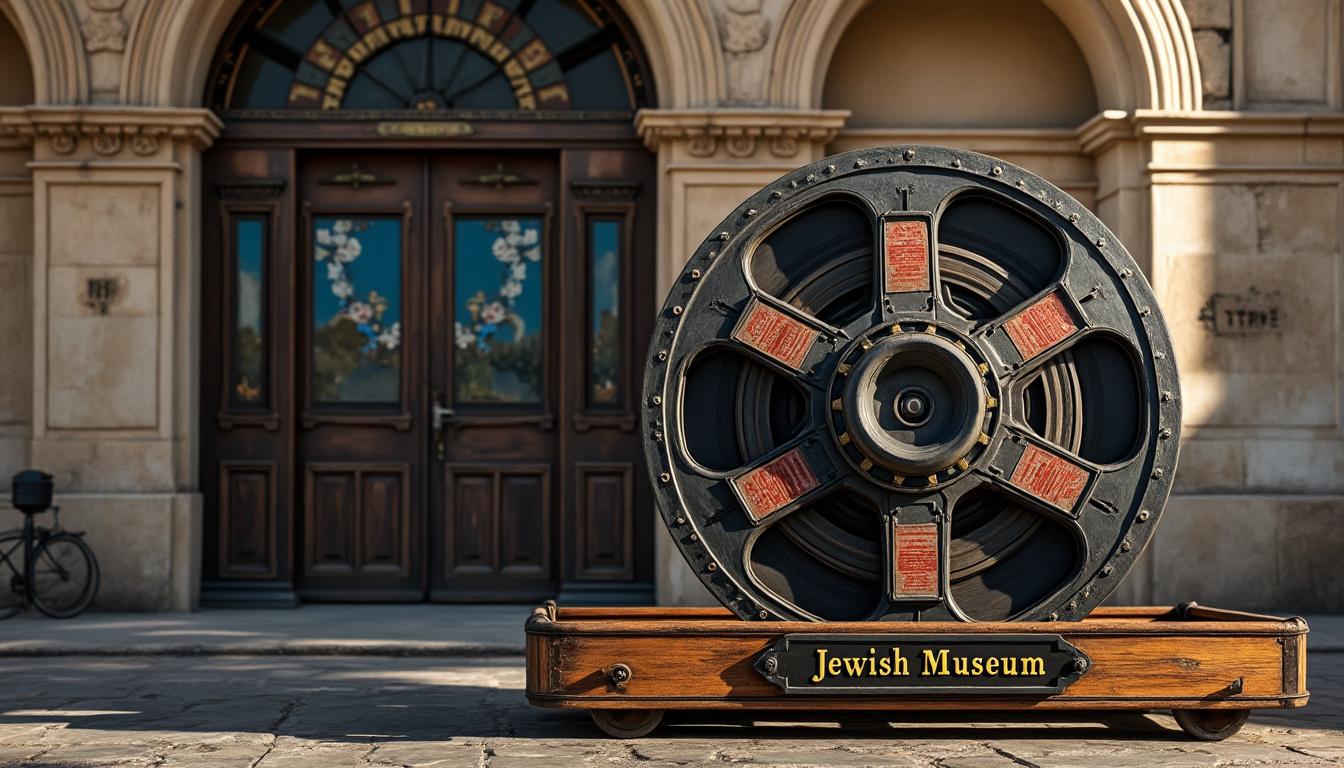
The Power of Film Preservation in Maintaining Black Cinema’s Cultural Legacy
Film Preservation is indispensable in sustaining the heritage and influence of Black Cinema, particularly for films produced during periods when the industry marginalized Black voices. Pearl Bowser, known as the Godmother of Black Independent Cinema, dedicated her life to rescuing Black films from obscurity. Through her extensive efforts, many early works—for example, those by Oscar Micheaux, founder of the Lincoln Motion Picture Company—have been saved and reintroduced to new audiences. These films are invaluable artifacts that document social realities, artistic innovation, and community aspirations during fraught historical times.
A key achievement in Bowser’s preservation work was the collection and restoration of films that otherwise might have faded into oblivion. These ranged from narrative features like Sunlight, Melvin Van Peebles’s tender 1957 portrayal of young Black love, to wartime documentaries such as The Negro Soldier, produced by the U.S. Department of War to showcase African-American valor in World War II. Not only did these films offer a counter-narrative to mainstream depictions, but they also contributed essential insights into Black American identity and resilience.
Preserving film archives goes beyond the physical safeguarding of reels; it includes contextualizing and presenting these works in spaces accessible to wider and more diverse audiences. The Jewish Museum’s program in 1970 and its recent revival demonstrate how museum exhibitions can serve as conduits for Film Preservation, drawing connections between historical content and contemporary viewers. This ensures continued relevance, while educational resources and public screenings, like those held at historically Black colleges and universities or on modern streaming platforms, extend the legacy far beyond traditional museum walls.
Here are the critical components that make film preservation impactful in the context of Black Cinema:
- 🎬 Active search and recovery of lost or neglected film materials
- 🛠️ Restoration efforts to maintain film quality and accessibility over time
- 📚 Scholarship and interpretation to frame films within their historical and cultural contexts
- 🏛️ Partnerships with museums and cultural organizations to present films engagingly
- 🌍 Distribution platforms including festivals, tours, and streaming services to reach global audiences
Recognizing these elements underscores why systematic Film Preservation is vital—not just for conserving artifacts but for invigorating the ongoing dialogue on race, representation, and cinematic heritage. As we observe this process in contemporary settings, museums like the Jewish Museum continue to innovate, incorporating technology and audience-centric methods to make Black Film History accessible and resonant.
Enhancing Audience Engagement by Connecting Diverse Communities Through Cinema
The Jewish Museum’s exhibition exemplifies how museums can catalyze Audience Engagement by facilitating meaningful interactions across diverse cultural groups. By curating a film series that centered Black film narratives, the museum not only addressed the underrepresentation of Black voices but also built bridges between Jewish and African-American communities. Such Cultural Connection is increasingly recognized as a best practice within cultural institutions striving for inclusivity and social cohesion.
The 1970 exhibit emerged during a period of tense race relations yet succeeded in opening dialogue through the universal language of cinema. The alliance between museum curators and community stakeholders, including the Harlem Cultural Council, ensured that programming authentically reflected the experiences of Black artists and audiences. This collaborative model created trust and imbued the exhibition with authenticity, which proved essential for meaningful engagement.
In the digital era, engagement extends beyond physical visits, requiring thoughtful integration of technology to sustain interest and accessibility. Modern museums often deploy smart audio guides, digital archives, and interactive installations—tools that Grupem actively promotes and implements—to deepen visitor experience. Such technology enables museums to cater to varied learning styles and accessibility needs without sacrificing content richness.
Today’s museum professionals can draw several lessons from the Jewish Museum’s approach:
- 🧩 Engage community leaders and cultural experts to guide authentic storytelling
- 🎥 Use multimedia presentations to capture the multifaceted nature of film heritage
- 📱 Employ smart technology to provide dynamic, layered narratives enhancing visitor participation
- 🤝 Foster partnerships that reflect the diversity of the communities being represented
- 🌟 Communicate clearly the relevance of historical films to contemporary social issues to increase impact
Applying these strategies can unlock new dimensions of audience interest and build inclusive cultural platforms that resonate with a broad spectrum of visitors. The Jewish Museum’s exhibit remains a compelling case in point, underlining that effective Audience Engagement is rooted in respect, collaboration, and technological innovation.
Diversity in Film: Addressing Historical Omissions and Fostering Inclusivity in Museum Programming
Diversity in Film remains a critical issue, linked directly to how museums curate and present historical content. The Jewish Museum’s 1970 initiative showcased an essential corrective to the prevailing exclusion of Black filmmakers and stories within established cultural narratives. This was especially relevant in light of previous exhibits like the 1969 “Harlem on My Mind” at The Met, which stirred controversy for marginalizing Black artists despite focusing on Harlem culture.
The Jewish Museum’s program foregrounded not only celebrated works but also lesser-known Black film pioneers, effectively addressing gaps in mainstream film history. For instance, Oscar Micheaux’s groundbreaking contributions were spotlighted amidst a broader conversation about race, representation, and the power structures within the early Hollywood system. As reported in MoMA Magazine’s coverage, such programming challenges cultural institutions to continuously revisit their approaches toward inclusivity and self-examination.
Diversity in Film today requires museums to balance preservation with critical interpretation, making space for marginalized voices and actively working against systemic erasure. Exhibitions like those at the Jewish Museum offer frameworks for integrating historical films into broader cultural dialogues, underscoring the responsibility of museums to serve as stewards of comprehensive cinematic legacies.
The table below details the featured films from the Jewish Museum’s original and revived exhibitions, highlighting their themes and cultural significance:
| 🎞 Film Title | 📅 Year | 🌍 Cultural Significance | 🎭 Notable Features |
|---|---|---|---|
| Body and Soul | 1925 | Early Black Cinema, Paul Robeson’s debut | Twin role portrayal, first Black director collaboration |
| Sunlight | 1957 | Pre-Blaxploitation, Black romantic narrative | Directed by Melvin Van Peebles |
| The Negro Soldier | 1944 | WWII Propaganda, Black soldiers’ valor | Department of War production |
| The Bronze Buckaroo | 1939 | Black Western genre pioneer | Directed by Richard C. Kahn |
This consolidation of historically significant works forms a blueprint for contemporary museum curators aiming to present Diversity in Film responsibly and engagingly. These efforts contribute to a fuller understanding of American cinematic heritage and reinforce the ongoing dialogue around equity and representation in the arts.
Modern Museum Strategies for Continuing Black Film History Engagement
Building on historical foundations, contemporary museums are adopting innovative strategies to sustain and expand the reach of Black Film History while maximizing Audience Engagement through digital tools. The Jewish Museum’s recent revival of the 1970 series, featuring edited vignettes of the films, exemplifies how technology and thoughtful curation can revitalize historical content for today’s audiences.
Smart technologies offer several advantages for modern museum programming:
- 🎧 Audio guides with rich contextual narration provide visitors with deeper understanding
- 📲 Mobile applications, like Grupem’s immersive museum guides, enable self-paced exploration while delivering high-quality multimedia
- 🖥️ Interactive displays and augmented reality offer immersive experiences that enhance historical empathy and retention
- 🌐 Online portals and streaming partnerships extend museum exhibition reach beyond geographic constraints
- 🎥 Collaborations with filmmakers and scholars ensure content remains accurate and engaging
The Jewish Museum’s installment used 2-minute vignettes to distill complex films, balancing brevity with enough detail to spark curiosity for full-length viewing. Such editing work, undertaken by filmmakers connected to the original programmer Pearl Bowser, connects past and present through a respectful reinterpretation that honors the original spirit.
Evaluating these strategies reveals guidelines for institutions aiming to create impactful Museum Exhibitions:
- Prioritize authentic voices: Engage historians, filmmakers, and community representatives from the start.
- Leverage technology thoughtfully: Use digital tools to support, not supplant, live experiences.
- Provide layered content: Offer both summaries and in-depth materials to suit diverse visitor profiles.
- Measure and adapt: Collect visitor feedback and analyze engagement data to refine offerings.
- Promote accessibility: Ensure exhibits meet ADA guidelines and offer multilingual resources where possible.
These approaches not only elevate Black Film History within the museum sector but align with current trends in Smart Tourism and cultural mediation, advocating for experiences that are informative, user-centric, and inclusive.
What is the significance of race films in Black Film History?
Race films were early 20th-century movies produced for Black audiences with predominantly Black casts, providing representation and narratives absent from mainstream Hollywood. They document African-American life and culture from a unique perspective.
How did the Jewish Museum contribute to preserving Black Cinema?
By curating and showcasing a series of historically significant Black films in 1970, and reintroducing them in contemporary exhibits, the Jewish Museum played a pivotal role in Film Preservation and expanding diverse Museum Exhibition content.
What role does technology play in modern museum engagement with historical films?
Technology, including mobile apps, audio guides, and digital installations, enrich visitor experiences by providing accessible, interactive, and layered storytelling that connects historical material to contemporary audiences.
How can museums ensure Diversity in Film is represented inclusively?
Inclusion requires collaboration with cultural experts and communities, critical appraisal of historical narratives, and presenting diverse voices as central to film history rather than marginal or exoticized.
