
Short on time? Here’s what to remember:
✅ Discover where automotive history lives with iconic vehicles and immersive exhibits
✅ Leverage museum tours to engage deeply with vintage and classic cars
✅ Avoid visiting on crowded weekend days for a smoother experience
✅ Prioritize museums offering unique, well-curated car collections and interactive displays
Immersive Experiences in Premier US Car Museums for Automotive Enthusiasts 🚗
The United States hosts a remarkable array of car museums that serve as sanctuaries for both passionate car enthusiasts and casual visitors interested in automobile history. These institutions showcase not only the evolution of engines and designs but also preserve the spirit of innovation ingrained in American motoring culture.
Among the most distinguished museums is the Petersen Automotive Museum in Los Angeles. Renowned for its architecturally distinct metallic exterior, it contains over a dozen thematic exhibits across three floors. Visitors encounter everything from the earliest cars to iconic Hollywood vehicles and even extraterrestrial exploration equipment like a practice lunar rover. The highlight remains the Vault — a secure display housing over 300 historically significant vehicles, including rare models such as the Lamborghini Countach LP5000S and a Ford GT40 race car, offering an exclusive glimpse into automotive milestones.
Similarly, the Indianapolis Motor Speedway Museum is a pilgrimage site nestled within the legendary racing oval that’s home to the Indianapolis 500. It features a comprehensive collection of historic race cars including the 1911-winning Marmon Wasp and Jim Clark’s 1965 Lotus-Ford, alongside thousands of motorsport artifacts. Visitors also benefit from guided tours of the track and Pagoda tower, integrating history with live motorsport culture.
These museums excel because they go beyond mere exhibitions; they are dynamic spaces where architecture, history, engineering, and storytelling converge. Each visit offers an in-depth dive into the cultural layers underpinning the United States’ automotive legacy. Strategic ticket purchases, preferably online to secure spots in coveted exhibits like the Petersen Vault, coupled with weekday visits, enhance the overall experience and ensure access to these treasures without the distraction of crowds.
For an extensive guide to planning your visit to these outstanding venues, including specifics on tickets and opening hours, resources like Attractions of America’s best car museums provide invaluable up-to-date insights.
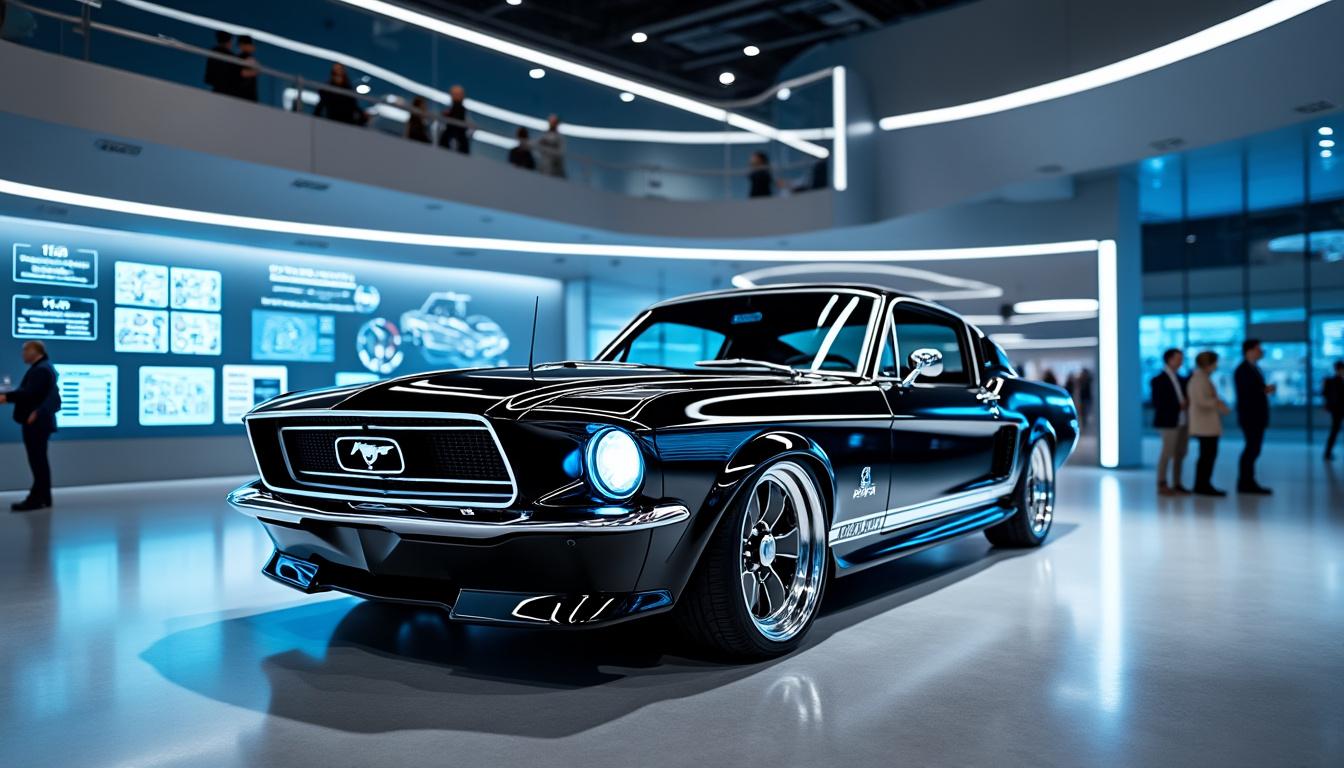
Comprehensive Car Collections Reflecting Automotive Innovation and Classic Design 🎨
Several US museums showcase remarkable car collections that span decades of design ingenuity and technological progress, contributing richly to the preservation of classic cars and vintage cars.
The LeMay America’s Car Museum in Tacoma, Washington, is a relatively recent institution yet it holds an impressive assemblage exceeding 300 vehicles. Its permanent exhibits like “Custom Coachwork,” displaying cars from the 1930s, and the “British Invasion,” focusing on British marques that influenced American culture, offer deep insights into automotive aesthetics and manufacturing philosophy. The current special exhibit “The Birth of the American Supercar” curated by Steve Saleen, magnifies innovation in high-performance automotive technology.
The Lane Motor Museum in Nashville specializes in European vehicles and unusual automotive designs, housing over 550 cars and motorcycles. It features rare microcars like the Peel P50, the world’s smallest passenger car, and amphibious vehicles such as the Amphicar 770, demonstrating engineering versatility. Rotating exhibits guarantee fresh discovery on each visit, supported by events that invite visitors to drive part of the collection, enriching the museum tour into an experiential journey.
These institutions validate the impact of automotive design evolution across continents and eras. Curators intentionally create thematic exhibits that offer both educational and emotional connections to the vehicles, providing context about their historic significance and underlying engineering breakthroughs.
For detailed visitor information, including rotating exhibits and ticketing options, websites like Backroad Planet’s guide to incredible car museums help tour planners stay informed.
Key benefits of curated automotive collections:
- 🔥 Exposure to rare and uniquely designed vehicles highlighting automotive diversity
- 🔍 Insight into cross-cultural influence on car manufacturing and design trends
- 🛠️ Understanding engineering milestones from vintage technologies to modern supercars
- 📅 Seasonal and rotating exhibits promoting repeated visits and new learning opportunities
Interactive Automotive Exhibits and Engaging Museum Tours Boost Visitor Experience 🚘
Contemporary car museums not only preserve historic vehicles but increasingly integrate interactive features to engage visitors vividly, aligning with principles of smart tourism and enhancing accessibility.
The National Corvette Museum in Bowling Green, Kentucky, for example, combines its extensive collection with immersive exhibits. The Sinkhole exhibit powerfully narrates the 2014 event where a sinkhole swallowed eight Corvettes, with some cars displayed in their restored and damaged states, offering a poignant reflection on preservation challenges. Simulation experiences enable visitors to “drive” a Corvette virtually, reinforcing the connection between visitor and vehicle.
The Orlando Auto Museum located in the vast Dezerland Park is designed as a series of themed rooms, immersing visitors in pop culture and automotive history simultaneously. The Batcave room holds famous Batmobiles, while the Bond Room showcases James Bond’s iconic movie vehicles. Interactive photo zones and virtual tours invite active participation rather than passive observation.
These interactive components elevate museum tours to meaningful, memorable encounters fostering learning and enthusiasm, particularly beneficial for younger or less specialized audiences. Integrating digital audio guides, such as those available via smart devices powered by apps like Grupem, ensures clear narration and tailored visitor pathways, helping museums manage crowd flow and improve accessibility.
Professional tour operators and museums invested in modern visitor experience strategies might find significant value consulting technology innovations in guided tours referenced at Grupem’s insights on museum visitor engagement.
Architectural Marvels and Cultural Significance Enhancing Car Museum Visits 🏛️
Beyond the vehicles themselves, the architecture and historical importance of museum locations contribute heavily to the immersive qualities of automotive exhibits.
The Henry Ford Museum of American Innovation in Dearborn, Michigan, represents a sprawling complex where automotive history intermingles with broader American industrial achievements. Housing artifacts like the Ford Model T, presidential limousines, and Rosa Parks’ bus, it contextualizes cars within social and technological narratives. The campus includes additional historical assets such as Greenfield Village, providing an immersive environment beyond static displays.
Meanwhile, the Gilmore Car Museum in Michigan claims the title of the largest automobile museum in North America with over 400 cars spread across acres of campus featuring Art Deco architecture and 19th-century village recreation. Its expansive grounds and aesthetic design invite visitors into a multi-sensory experience, blending art, history, and automotive culture seamlessly.
These venues exemplify how architectural design elevates automotive exhibits beyond galleries into experiential destinations, crucial for fostering long-lasting educational impact and emotional resonance.
| 🏛️ Museum | 🚙 Collection Size | 🕒 Avg. Visit Duration | 🎟️ Ticket Price Range | 🌟 Highlights |
|---|---|---|---|---|
| Henry Ford Museum | Thousands of artifacts, including 250+ vehicles | 4-6 hours | $25 – $34 | Model T, Rosa Parks bus, presidential limos |
| Gilmore Car Museum | 400+ vehicles | 3-5 hours | $12 – $25 | Art Deco grounds and vast American muscle car collections |
| Lane Motor Museum | 550+ European and global vehicles | 2-4 hours | $3 – $15 | Peel P50 microcar, amphibious Amphicar |
| National Corvette Museum | Over 70 Corvettes | 2-3 hours | $14 – $25 | Sinkhole exhibit, driving simulators |
Essential tips for visitors:
- 📅 Book tickets online in advance to avoid sold-out shows
- 🕒 Visit midweek to enjoy smaller crowds and personal space
- 🎧 Utilize audio guides via mobile apps to enhance understanding and accessibility
- 📸 Engage with interactive exhibits for a richer museum tour
Planning Efficient Visits to Maximize Enjoyment and Learning in US Car Museums 📅
To make the most of visits to popular car museums across the US, a strategic approach focused on timing, ticket acquisition, and tour selection is recommended.
Most museums such as the Indianapolis Motor Speedway Museum and Petersen Automotive Museum offer guided tours or self-guided digital experiences that include detailed narratives on the historic vehicles and engineering breakthroughs on display.
Given their popularity, especially during weekends and special events, reserving tickets online ahead of your visit is crucial to secure access. Weekday visits are advised for those seeking a less crowded atmosphere, allowing visitors to appreciate exhibits thoroughly without distractions. Additionally, some museums provide VIP tours or thematic events, such as the Demo Days at the Simeone Foundation Automotive Museum, where visitors witness rare cars being driven on-site, elevating the experience into an exclusive insight into automotive competition heritage.
For further reading about maximizing museum experiences and the top-rated car museums across states, sources such as Wealthy Driver’s list of must-see car museums in America provide comprehensive recommendations and planning tips.
This video delivers an expert walkthrough of key exhibits, highlighting some of the rarest vehicles and explaining the museum’s architectural and historical context.
Experience a narrated tour through racing legends and iconic cars that shaped motorsport history at the Indianapolis Motor Speedway.
What types of cars can I expect to see in US car museums?
Visitors can view a broad spectrum from early 20th-century models and vintage cars, to classic American muscle cars, European luxury vehicles, and cutting-edge supercars.
Are there interactive exhibits available in car museums?
Yes, many museums now incorporate interactive elements such as driving simulators, immersive stories, virtual tours, and hands-on displays to engage visitors actively.
How do I purchase tickets to avoid long lines?
Most car museums offer online ticket purchasing with options for regular and VIP access. Booking in advance ensures availability, particularly for high-demand exhibits like the Petersen Vault.
Do car museums in the US offer guided tours?
Numerous museums provide guided or self-guided tours enhanced by digital audio guides accessible through smartphones, offering detailed background and an enriched educational experience.
Can families with children enjoy car museums?
Absolutely. Many museums have child-friendly exhibits, interactive zones, and programs designed to educate and entertain younger visitors, making them accessible and engaging for all ages.
