
Busy schedule? Here is what you need to remember:
✅ Legionella bacteria have been identified in cooling towers of a prestigious NYC museum, prompting urgent disinfection protocols.
✅ Routine testing and infection control measures are critical tools in managing Legionnaires’ disease outbreaks effectively.
✅ Understanding the transmission of Legionnaires’ and adopting water safety standards can prevent further public health risks.
✅ Stay informed through trusted sources and implement immediate action plans when facing bacterial contamination events.
Detection of Legionella Bacteria in NYC Museums: Implications for Public Health and Safety
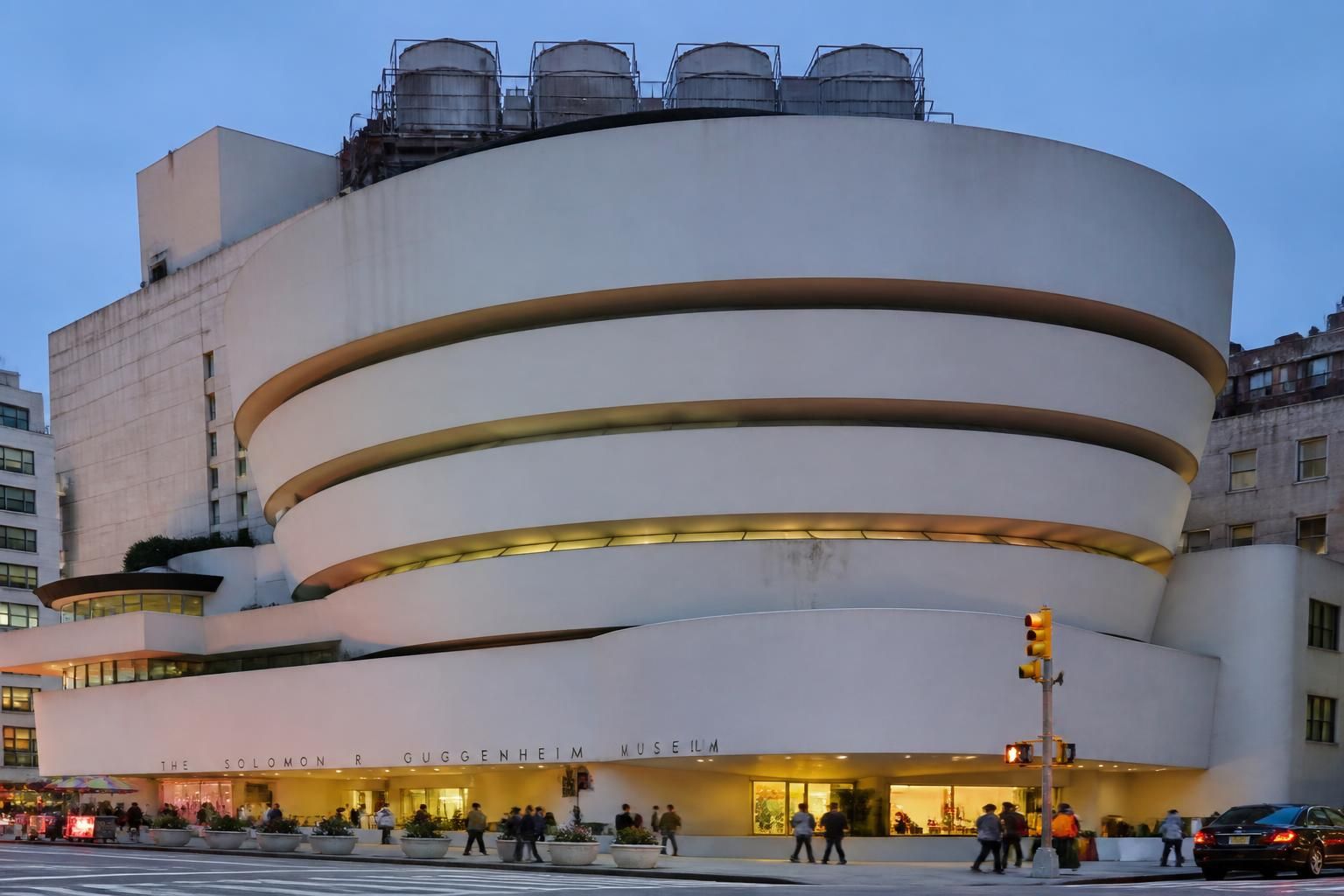
In recent routine water safety testing on Manhattan’s Upper East Side, the Solomon R. Guggenheim Museum, an iconic NYC museum that stands as a UNESCO World Heritage Site, was identified among 31 buildings where Legionella bacteria were detected in cooling towers. This discovery is part of an ongoing public health effort to contain a rapidly unfolding Legionnaires’ disease outbreak, which has already affected over 50 people in the area, with 17 hospitalized cases reported.
Legionella pneumophila, the bacterium responsible for Legionnaires’ disease, thrives in warm water environments such as the cooling towers found atop many large urban structures. Unlike typical concerns around drinking water safety, Legionella contamination mainly occurs in aerosolized mist emitted from such towers, presenting a unique infection control challenge. The fact that the Guggenheim Museum’s cooling tower tested positive during routine testing highlights the necessity of regular monitoring and swift remediation measures in cultural institutions and public facilities.
This situation necessitates prompt disinfection protocols and continuous surveillance to minimize infection risks for both visitors and staff. It also raises awareness among tourism professionals and museum administrators about the critical need for transparent communication and adherence to public health guidelines. The museum’s management has reassured the public, noting that no immediate threat exists for those inside the building, but proactive disinfection operations must proceed without delay.
As reported by multiple sources, including Artforum and La Voce di New York, this event underscores the importance of rigorous environmental sampling and the integration of smart detection technologies in managing urban water safety. Museums and similar venues with high visitor traffic must prioritize these measures, not only to protect public health but also to maintain institutional credibility.
Legionnaires’ Disease: Understanding Sources, Symptoms, and Transmission Dynamics in Urban Settings
Legionnaires’ disease is a severe bacterial pneumonia caused by the inhalation of aerosolized water droplets containing Legionella pneumophila. This pathogen proliferates particularly in stagnant or warm water systems frequently found in large buildings’ cooling towers, decorative fountains, and plumbing systems. Importantly, the disease is not transmitted from person to person, but via environmental water sources.
Typical infected individuals experience symptoms that resemble flu or pneumonia, including:
- 🌡️ High fever and chills
- 😥 Persistent cough and difficulty breathing
- 🩺 Muscle aches and headaches
- 🤒 Fatigue and chest pain
Given the variety of symptoms, early diagnosis and treatment with antibiotics are crucial for positive health outcomes, especially in vulnerable groups such as older adults and those with weakened immune systems.
In urban contexts like NYC, the proliferation of complex water systems heightens the risk of Legionella colonization. Details shared by emergency medicine experts emphasize that contamination primarily results from warm water exposure in cooling towers, not potable water, aligning with findings during the Guggenheim incident.
Outbreak investigations require multidisciplinary collaboration between public health authorities, environmental engineers, and building managers to identify and mitigate contamination sources rapidly. The virus-like precision with which outbreaks occur necessitates continuous disease detection and immediate cleaning cycles for affected systems to prevent large-scale infections.
Key Factors Contributing to Legionella Growth in Urban Buildings
- 🔥 Warm temperatures within water systems, typically between 20°C and 45°C, ideal for bacterial proliferation.
- ♻️ Presence of biofilms inside pipes and cooling towers which act as reservoirs for bacteria.
- 🛑 Stagnant water areas due to low flow or disuse facilitating bacterial multiplication.
- 🔧 Inadequate maintenance or failure to follow regular disinfection protocols.
Addressing these factors requires routine testing schedules, water treatment technologies, and automated reporting systems which ensure rapid responses from maintenance teams.
Cooling Tower Management and Routine Testing: Foundations of Infection Control in Museums
Cooling towers, vital components in modern HVAC systems, regulate temperature in large buildings and control refrigeration. However, their design involving warm water and aerosolization makes them prime candidates for harboring Legionella. NYC’s public health department has mandated immediate disinfection for cooling towers in buildings testing positive during routine inspections, including the Guggenheim’s.
The current outbreak situation sheds light on the essential role that routine testing plays in early detection and mitigation. The discovery of bacteria within cultural landmarks underscores the necessity of consistent environmental monitoring to safeguard public spaces. Administrators of museums and offices now face heightened expectations for proactive health risk assessments.
A typical cooling tower disinfection protocol includes:
- 🧼 Chemical cleaning to eliminate biofilms and bacteria.
- 💦 Flushing of water systems to remove organic deposits.
- ⚙️ Mechanical inspections ensuring structural integrity and preventing secondary contamination.
- 🔄 Post-cleaning verification testing to ensure full eradication before reopening.
Technological innovations now allow integration of IoT-enabled sensors and smart management platforms, optimizing water quality control and alerting management teams in real time about possible contamination. Museums leveraging such technologies can demonstrate leadership in infection control and enhance visitor confidence.
Case Study: Guggenheim Museum’s Response to Legionella Detection
Following the positive bacterial test, the Guggenheim was listed among 31 affected buildings, with 19 completing disinfection promptly. The museum issued statements confirming continuous cooperation with health authorities and reaffirmed visitor safety while executing strict remedial actions. Such transparency models a best practice approach for institutions operating in high-traffic urban areas.
Integrating Smart Tourism Technologies for Enhanced Visitor Safety and Communication
Within the current public health context, museums face dual challenges: sustaining visitor experiences and ensuring health safety compliance. The Guggenheim incident provides a compelling case for adopting smart tourism solutions that enable transparent communication, detailed visitor guidelines, and real-time updates on safety measures.
Mobile applications like Grupem, capable of transforming smartphones into audio guides, exemplify the integration of modern digital tools in cultural settings. These platforms not only enrich visitor engagement but also serve as channels for timely health alerts, safety protocols, and behavioral recommendations tailored to ongoing outbreaks.
For instance, implementing audio tours that remind guests of hygiene practices, upward air circulation zones, and available sanitation stations can enhance user awareness without intruding on the cultural experience. Such digital mediation also empowers museum staff to update visitors during unexpected events, such as the detection of environmental hazards, thereby reinforcing trust and compliance.
Moreover, smart data collection from visitor flows analytics can inform facility managers about high-risk zones requiring intensified cleaning or maintenance, aligning operational efforts with infection control mandates. The efficient combination of technology and health safety standards positions museums to maintain their reputation while ensuring public well-being.
Strategic Recommendations for Museums and Public Venues Facing Legionella Risks
Managing Legionnaires’ disease risks involves a comprehensive approach combining technical, managerial, and communicational components. Based on the recent developments around the Guggenheim Museum and similar cases, the following strategies are advised for cultural and public venues:
- 🛠️ Establish rigorous routine testing schedules specifically targeting cooling towers and water systems.
- 💡 Deploy real-time water quality monitoring technologies to enable swift interventions.
- 📢 Implement transparent communication plans that provide timely updates to visitors and staff.
- 👷 Ensure personnel receive specialized training for maintenance and disinfection procedures to meet public health standards.
- 📊 Use data-driven tools to identify risk hotspots within the premises continually.
- 🤝 Cooperate closely with local health departments to align with evolving regulations and outbreak responses.
| 🔍 Aspect | 🎯 Objective | 📈 Benefit |
|---|---|---|
| Routine Water Testing | Early Legionella detection | Minimized infection outbreaks and improved visitor safety |
| Disinfection Protocols | Elimination of bacteria reservoirs | Reduced public health risks and increased compliance |
| Visitor Communication | Transparency and trust-building | Boosted institutional credibility and visitor confidence |
| Smart Monitoring Tools | Real-time alerts and data analytics | Faster intervention and operational efficiency |
| Staff Training | Proper maintenance and safety procedures | Consistent health standards and risk mitigation |
By adopting these multi-layered strategies, museums not only elevate their health safety protocols but also align with emerging standards in smart tourism, fostering an accessible and reassuring environment for visitors.
More details on the outbreak near NYC Museum Mile emphasize the criticality of swift and coordinated efforts in containment.
