
Short on time? Here’s what you need to know about San Francisco’s newest micro-museum:
✅ The Commission Vault Museum offers a unique experience inside a closet-sized space with limited access
✅ Visitors must book months in advance due to a growing waitlist for tours
✅ This museum exemplifies how small spaces can hold significant cultural value and innovative curation 💡
Discovering the Intricacies of a Closet-Sized Museum in San Francisco
The Commission Vault Museum in San Francisco redefines the notion of an art exhibition by inhabiting an extraordinarily small, 6-by-10-foot former vault tucked inside McLaren Lodge. This micro-museum serves as a time capsule preserving the history of the San Francisco Recreation and Park Department, making it a must-visit attraction despite its modest size.
Since its opening in December, the museum has attracted between 75 and 100 visitors—remarkable given the strict limitations imposed by its size and accessibility. Those interested in exploring the museum must secure appointments well in advance, revealing just how sought-after this small space experience has become.
The space itself was once used to safeguard cash from the park’s carousel rides and boat rentals. It later functioned as a records room housing thousands of archival documents including photos, letters, and meeting notes dating back to the late 19th century.
By carefully digitizing these records, the museum’s curators have paid tribute to over a century and a half of San Francisco’s park history, showcasing milestones like the construction of Portsmouth Square Park in the 1850s and the introduction of Sunset Dunes in recent years.
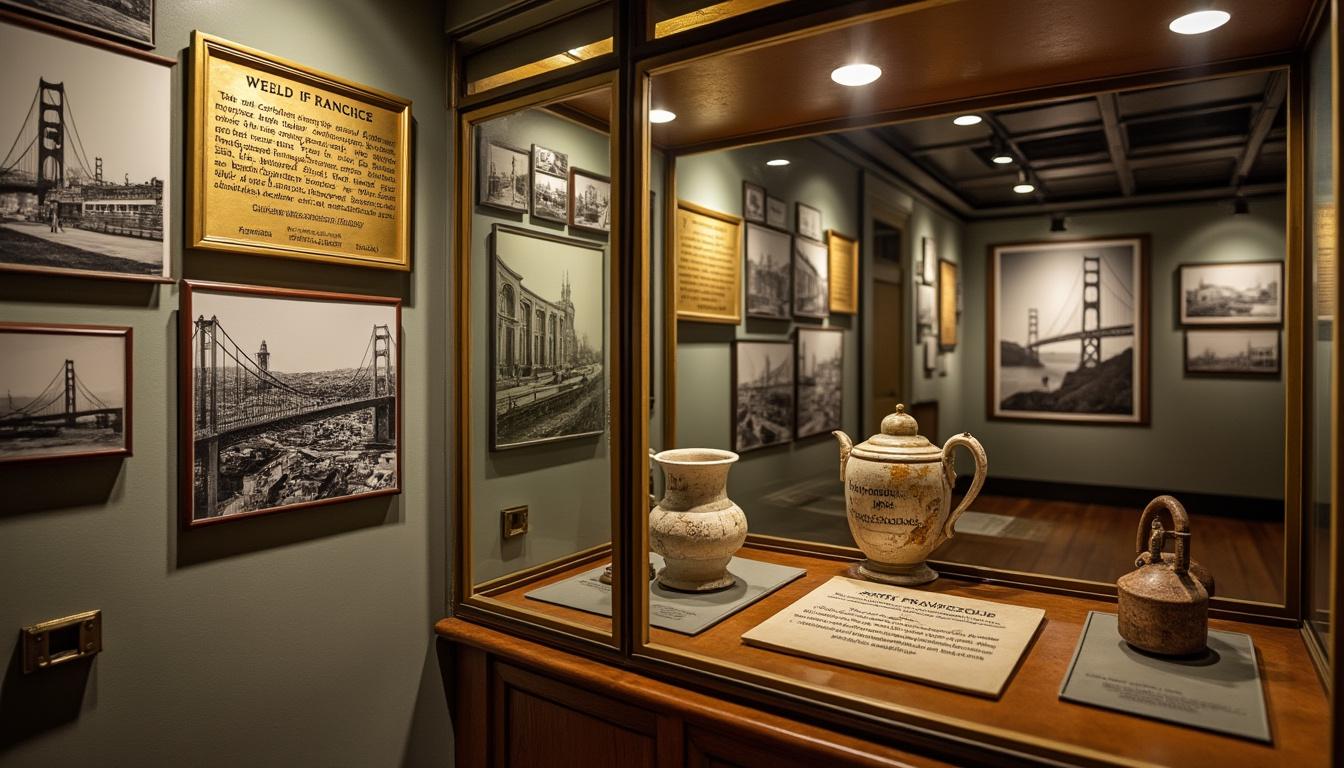
Visitors encounter walls adorned with archival photos and detailed plaques that chronicle major events, such as the influx of refugees to Golden Gate Park after the 1906 earthquake and glimpses into the life of Monarch, the famous grizzly bear who lived in the park till 1911.
This museum exemplifies how limited access does not diminish an institution’s cultural impact; rather, it elevates the sense of exclusivity and curiosity around it. The project, requiring less than $10,000 in materials and leveraging the support of skilled staff, demonstrates how innovative use of small spaces can produce high-value visitor experiences with limited resources.
How Limited Access and a Months-Long Waitlist Shape Visitor Engagement
Admission to the Commission Vault Museum is by appointment only, with a waitlist extending several months into the future. This exclusivity lends the museum a unique appeal, making each visit a distinct and memorable event.
Surprisingly, this scarcity has helped cultivate a deeply engaged audience rather than deterring visitors. Many attendees come with personal or familial ties to parts of San Francisco’s park history. For instance, one guest was thrilled to see a photo of Laura Lyon White, a historic activist linked to women’s suffrage and public playground development, which resonated powerfully on a personal level.
The value of this micro-experience lies in its intimacy. Unlike sprawling museums where visitors may drift through numerous exhibits, here, the limited physical dimension fosters direct interaction with the archives and knowledgeable guides.
The weekly tours are hosted by the department’s historian-in-residence and the commission liaison, who ensure visitors receive comprehensive narratives enriched by carefully curated artifacts. It’s an approach that highlights the potential of micro-museums to offer profound insights despite spatial constraints.
Technological tools can support such models as well. Integrations with audio guides, like those developed by platforms such as Google’s experimental audio tours, can offer immersive interpretations without requiring additional physical space.
Moreover, the following table summarizes the benefits and challenges associated with managing a micro-museum with limited access:
| 🏷️ Aspect | ✨ Benefit | ⚠️ Challenge |
|---|---|---|
| Visitor Experience | Highly personalized and engaging | Limited number of guests per session |
| Resource Allocation | Low maintenance and operational cost | Staff time intensive for guided tours |
| Accessibility | Creates exclusivity and demand | Potential barrier for casual visitors |
The museum’s model invites tourism professionals and cultural institutions to reassess how small spaces and limited access can be reframed as assets. This is particularly relevant to the context of 2026, where smart tourism strategies emphasize quality and depth over sheer visitor numbers.
Innovative Curation and Preservation in Compact Spaces
Within its confined footprint, the Commission Vault Museum uses creative curation techniques to maximize both the impact and educational value of its collection. Archival photos, artifacts, and plaques are densely arranged to tell a coherent story, decade by decade, allowing the visitor to trace San Francisco’s recreational landscape transformation in an engaging format.
Examples of unique items on display include:
- 📸 A colorized photograph from 1896 showing McLaren Lodge in its original state
- 🐻 Photographs and stories of Monarch, the grizzly bear who lived in Golden Gate Park until 1911
- 🎟️ An iron seal press used in the early 1900s to stamp automobile permits for park visitors
- 🗺️ A reproduction of a topographic map drawn by William Hammond Hall, Golden Gate Park’s original designer at age 24
- 📜 Historical concert flyers and brochures from park events across decades
Each artifact is coupled with extensive context facilitated by plaques, helping visitors understand its significance within the larger narrative of urban development and social history.
The museum’s successful transformation from a storage vault to a shrine of local heritage demonstrates how cultural institutions can leverage minimal square footage into rich, immersive experiences.
For those looking beyond physical presence, combining such exhibits with interactive digital elements or audio guides—similar to those featured on the best San Francisco museums platforms—can help scale access without undermining the intimate atmosphere.
Leveraging Smart Tourism Technologies to Enhance Micro-Museum Visits
Smart tourism technologies are pivotal in optimizing visitor experiences in micro-museums, especially those with closet-sized dimensions and limited access. Incorporating audio guides, augmented reality, and digital archives can yield several practical benefits:
- 🎧 Audio Guides: Allow visitors to navigate exhibits independently, offering multi-language narrations and detailed background without crowding the space
- 🖥️ Augmented Reality (AR): Offers immersive visualizations overlaying historical images or artifacts onto the real environment, expanding perceived space virtually
- 📱 Mobile Apps: Provide access to extensive archival content and interactive elements, reducing dependency on physical displays
- ⏰ Appointment Scheduling Tools: Manage waitlists efficiently and ensure smooth visitor flow without overcrowding
For example, Grupem’s mobile platform converts smartphones into professional-grade audio guides that museums and tour operators can deploy swiftly without heavy infrastructure investments.
Technological advancements also empower institutions like the Commission Vault Museum to engage remote audiences through virtual tours or remote content access, offsetting the limitations posed by the physical size.
These innovations echo the evolving expectations of 2026 cultural consumers who prioritize personalized, accessible, and engaging museum experiences.
Contextualizing San Francisco’s Micro-Museum Trend Within the Broader Museum Landscape
San Francisco’s cultural scene boasts an eclectic mix of prestigious large-scale institutions such as the San Francisco Museum of Modern Art (SFMOMA) alongside emerging boutique experiences like the Gregangelo Museum, renowned for its immersive and avant-garde exhibits.
The rise of micro-museums complements this diversity by filling niches where history and locality converge in compact and focused settings. The Commission Vault Museum exemplifies how even the smallest spaces can foster meaningful interactions, complementing larger venues with broad collections.
For cultural organizers and tourism stakeholders, micro-museums present new avenues for enhancing visitor engagement through:
- 🌟 Promoting unique experiences that differentiate a destination
- 🛠️ Utilizing underused spaces creatively to showcase overlooked narratives
- 🎯 Targeting specialized audiences through curated, appointment-based visits
- 🤝 Encouraging community involvement by highlighting local heritage
By integrating such examples with technologies and well-managed visitor flows, San Francisco is reinforcing its status as a leading cultural hub innovating the museum experience for the modern era.
How can visitors book a tour at the Commission Vault Museum?
Visitors must schedule their appointments by emailing [email protected]. Due to high demand and limited space, slots fill quickly, often months in advance.
What makes the Commission Vault Museum unique compared to other San Francisco museums?
Its location inside an actual old vault, the intimacy of its closet-sized space, and focused historical content tied to the city’s Recreation and Park Department set it apart from traditional museums.
Are there any costs associated with visiting the micro-museum?
Tours at the Commission Vault Museum are free, but require advance booking due to the limited number of visitors allowed per session.
How can technology enhance the experience of such a small museum?
Smart audio guides, augmented reality features, and digital archives can extend the museum’s reach and provide richer, personalized storytelling without overcrowding the physical space.
Where can I find recommendations for other museums in San Francisco?
For curated lists and detailed information on major and boutique museums in the city, platforms like San Francisco Museums Guide offer valuable resources.
