
Peu de temps ? Voici l’essentiel à retenir :
- ✅ Hometown Heroes exhibition offers a profound connection to veterans through compelling photography and personal stories.
- ✅ James Gill’s approach emphasizes trust and dignity, creating intimate portraits that transcend traditional documentation.
- ✅ The exhibit demonstrates best practices for cultural institutions aiming to integrate multimedia military stories into engaging visitor experiences.
James Gill’s Photographic Methodology: Bringing Veterans’ Stories to Life through Visual Storytelling
As the driving creative force behind the Portraits of Service exhibition, photographer James Gill has redefined how veterans’ histories are captured and presented. Trained at the University of Wisconsin–Green Bay, Gill’s practice extends far beyond the technical aspects of photography. His process involves immersive, empathetic dialogue, often spending considerable time with veterans before even raising his camera. This preparation allows veterans to share untold experiences, sometimes for the first time, fostering an atmosphere of trust pivotal to authentic representation.
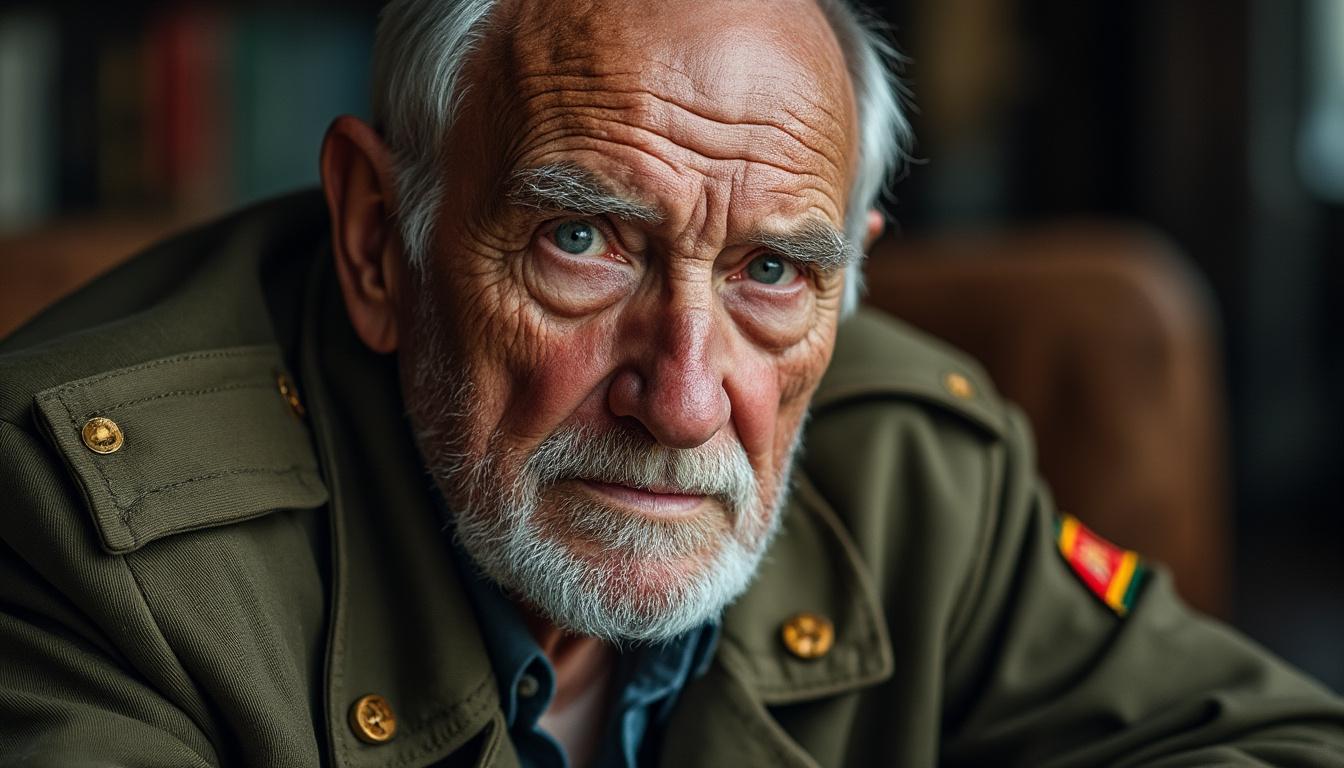
Gill’s portraits encapsulate fleeting moments rich with emotion, reflecting decades of personal sacrifice and service. By focusing on intimate close-ups against minimalistic backgrounds, he removes extraneous distractions and centers the viewer’s attention on the veteran’s face — a canvas revealing resilience, vulnerability, and honor. Through this approach, Hometown Heroes conveys the complexity of each individual’s military journey across World War II, the Korean War, and the Vietnam War.
More than just still images, Gill’s work acts as a gateway to historical memory. His portraits originally accompanied the Wisconsin Public Television’s documentary “Wisconsin War Stories,” emphasizing the fusion of visual and oral history. This multimedia strategy not only enriches the viewer’s understanding but also preserves the voices behind each uniform, ensuring that their sacrifices remain present in public memory.
In practice, cultural institutions can draw from Gill’s methodology to enhance visitor engagement. Taking a human-centered storytelling approach, complemented by personal artifacts or recorded testimonies, creates layered narratives that resonate on emotional and educational levels. This multifaceted presentation exemplifies how museums and exhibits can implement smart, accessible storytelling tools — a principle at the heart of innovative platforms such as Grupem, which transform static visits into interactive guided experiences.
Key takeaways from Gill’s photographic process include:
- 🖼️ Prioritizing meaningful personal interaction before documentation.
- 🎥 Combining portraiture with multimedia for rich contextual narratives.
- 👥 Fostering dignity and respect in representing sensitive histories.
- 📅 Documenting cross-generational military experiences to trace evolving service identities.
Enhancing Visitor Experience with Multimedia Storytelling in Military Exhibitions
The Portraits of Service exhibition exemplifies the evolving role of technology and multimedia tools in making military history accessible, relatable, and immersive. The Wisconsin Veterans Museum’s curation intertwines James Gill’s portraits with authentic artifacts — from mud-stained boots worn in Vietnam to medals and personal belongings — as well as recorded interviews. This blend allows visitors to interact with the veteran’s story on multiple sensory levels, deepening engagement and emotional connection.
Modern smart tourism devices and applications prioritize this kind of layered storytelling. They combine rich media such as high-definition images, audio testimonies, and interactive maps to provide not only factual information but context and personal perspectives. This holistic approach aligns with best practices in museum pedagogy and enhances retention of historical content.
For example, audio guides delivered via mobile applications can synchronize with specific portraits or objects. Visitors can listen to veterans recount anecdotes about their experiences, often accompanied by evocative soundscapes that simulate wartime environments. This method transforms passive viewing into active listening, augmenting empathy and understanding.
Such dynamic content delivery aids in overcoming common exhibition challenges like information overload or disengagement. Institutions aiming to implement similar multimedia integration should consider:
- 📱 Leveraging mobile platforms like Grupem for seamless and customizable audio guide management.
- 🎧 Including veterans’ voices via recorded interviews to humanize historical events.
- 🖼️ Displaying high-resolution images that allow close examination of details, accessible via touch screens or apps.
- 🔄 Providing varying entry points for different types of visitors, whether casual or academic.
The museum’s success in blending personal narrative with technology reflects a growing trend in smart cultural tourism, where storytelling transcends conventional methods enabling more inclusive, layered experiences.
The Role of ‘Hometown Heroes’ in Honoring and Preserving Military Service Legacies
“Hometown Heroes” is more than a mere exhibition title; it encapsulates the powerful intention to honor the often overlooked local veterans whose stories comprise the backbone of American military history. The Portraits of Service showcase veterans from Wisconsin who served in pivotal twentieth-century conflicts, illuminating personal sacrifices behind the broader historical narratives.
Recognition through this exhibition serves several purposes:
- 🎖️ Individual honor: Each portrait is a testament to personal valor, capturing a snapshot of a life marked by commitment and resilience.
- 📜 Historical documentation: The veterans’ stories contribute to a collective memory that contextualizes military engagement within society.
- 🏛️ Community connection: By focusing on local heroes, the exhibit fosters a sense of pride and reflection within Wisconsin communities.
- 🎤 Preservation of oral history: Recorded interviews ensure that first-hand accounts survive, bridging generations.
Such initiatives counter the risk of veterans’ experiences fading over time, making history tangible and relevant. Through the lens of James Gill and the Wisconsin Veterans Museum’s curated assemblage, visitors gain insights not only into military strategy but also social dynamics and personal costs of war.
In practice, honoring veterans locally aligns with broader strategic cultural heritage goals. It encourages communities to embrace their own legacies while educating younger generations. This approach is particularly crucial in 2026 as museums seek innovative ways to balance commemoration with interactive engagement.
Artifacts as Narrative Anchors
The exhibition pairs portraits with carefully selected artifacts — each object a physical trace of memory. Items such as worn combat boots, medals, letters, and personal effects serve as tactile connections to the veterans’ lived realities. Their integration into the exhibit enriches storytelling by:
- 🧤 Providing contextual depth that photos alone cannot convey.
- 📖 Expanding visitor understanding through tangible, sensory experiences.
- 🕰️ Evoking emotional responses that strengthen historical empathy.
Artifact curation is a critical editorial task, requiring balance between historical accuracy, accessibility, and narrative cohesion — a challenge reflected in contemporary museum best practices as described in Wisconsin Veterans Museum temporary exhibits.
Implementation Insights for Cultural Institutions Targeting Smart Engagement with Military History
Exhibitions such as Portraits of Service provide instructive case studies for museums and cultural centers developing or upgrading their narratives around military history. Key operational insights include:
| 📌 Aspect | ✔️ Best Practice | 🔧 Implementation Tips |
|---|---|---|
| Storytelling Approach | Personalized, empathetic interviews paired with visuals | Schedule pre-interview sessions, train staff in sensitive communication |
| Multimedia Integration | Combine portraits, artifacts, audio, and video | Utilize apps like Grupem for synchronized audio tours and interactive mapping |
| Accessibility | Inclusive displays supporting different visitor needs | Incorporate captions, adjustable audio levels, multiple language options |
| Emotionally Respectful Curation | Human-centered narratives preserving dignity | Consult veterans and families during content development |
The exhibition is a reminder that technology and empathy can combine to create compelling educational experiences. By closely partnering with veterans and their communities, museums can assure authenticity and relevance, critical factors for sustained visitor interest.
Balancing Tradition and Innovation: The Future of Military Storytelling Exhibits
Maintaining the delicate balance between honoring tradition and adopting innovative technology characterizes the trajectory of military storytelling. The Portraits of Service exhibition offers a blueprint for this evolution. It respects historical authenticity while incorporating interactive and multimedia elements that cater to contemporary audiences’ expectations.
By 2026, this balance is more vital than ever as museums compete with a myriad of digital distractions. The exhibit demonstrates how smart tourism tools can transform static displays into participatory journeys. Platforms like Grupem highlight emerging opportunities:
- 🔍 Enabling visitors to explore layered stories at their own pace.
- 🎤 Delivering multiple perspectives, including veteran interviews and expert commentary.
- 📲 Offering integration with augmented reality and AI-driven voice guides for enriched contextualization.
- 🤝 Facilitating community involvement through crowdsourced content and shared memories.
Integrating these tools requires careful planning to avoid overwhelming visitors. Intuitive design, thoughtful content curation, and continuous user feedback loops are essential for success. As cultural institutions develop future exhibits, the lessons learned from Hometown Heroes serve as a touchstone for creating meaningful and accessible military history experiences.
Who is James Gill and what is his role in the ‘Portraits of Service’ exhibition?
James Gill is an accomplished photographer and University of Wisconsin–Green Bay graduate who spent years documenting Wisconsin veterans. His intimate portraiture forms the visual centerpiece of the ‘Portraits of Service’ exhibition, capturing veterans’ stories across multiple wars.
How does multimedia storytelling enhance the exhibition experience?
By combining portraits, personal artifacts, and recorded veteran interviews, the exhibition offers a multi-sensory experience. Visitors engage not only visually but also auditorily and emotionally, which deepens understanding and empathy.
What makes the ‘Hometown Heroes’ exhibition unique?
Focusing on veterans from Wisconsin, the exhibition honors local service members by pairing powerful imagery with personal accounts and tangible artifacts. This localized, human-centered approach fosters community pride and historic preservation.
How can cultural institutions adopt similar approaches?
Museums can implement empathetic storytelling by prioritizing personal interviews, integrating multimedia content, and ensuring accessibility. Using modern audio guide platforms like Grupem enhances visitor interaction and information retention.
