
Brief: A man was detained after extensive vandalism at the Chihuly Garden and Glass Museum in Seattle, causing property damage valued at over $240,000. This incident highlights concerns about security, preservation, and legal consequences in cultural institutions.
Detailed Overview of the Seattle Glass Museum Vandalism Incident
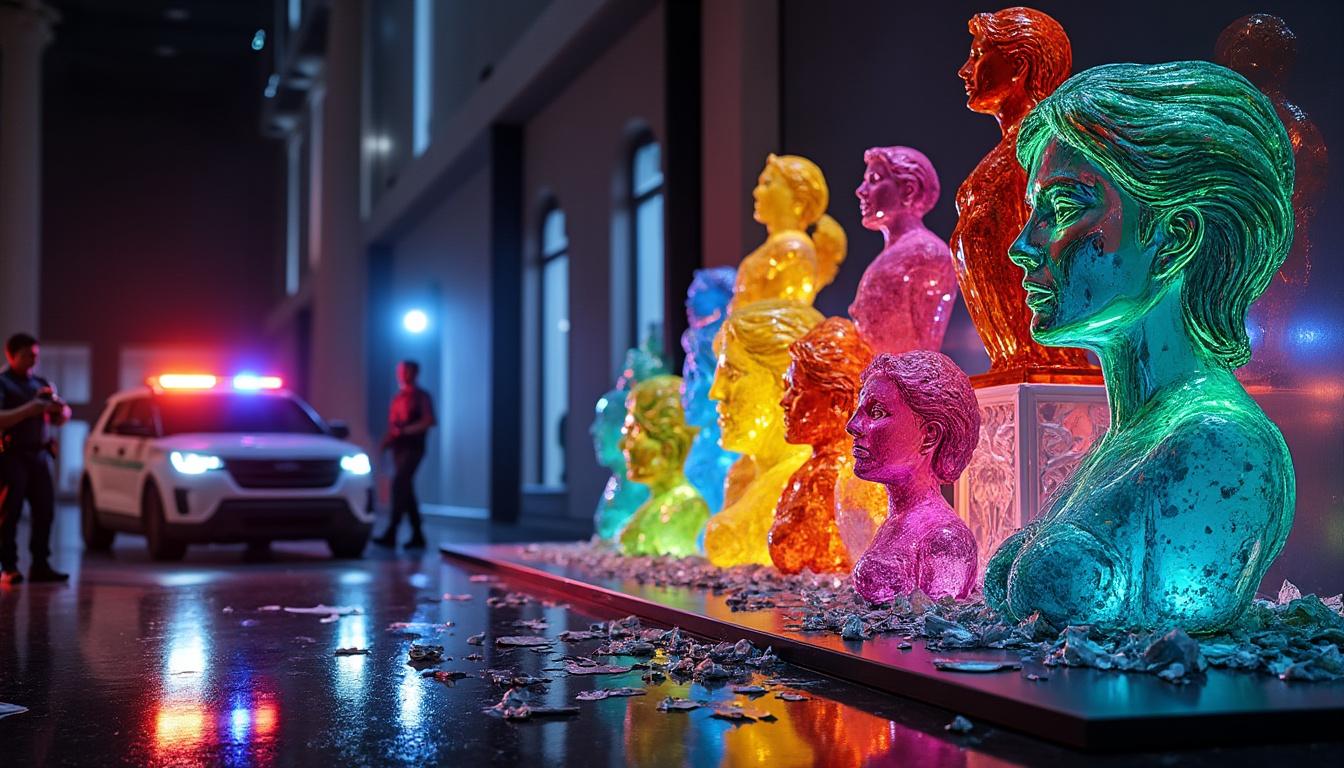
In an unexpected and alarming event at the Chihuly Garden and Glass Museum, located near the iconic Space Needle in Seattle, a 40-year-old male was taken into custody following severe property damage exceeding $240,000. The Seattle Police Department responded to reports just past 11 p.m. of the suspect actively destroying multi-colored glass sculptures within the museum grounds. Upon arrival, law enforcement officers found significant destruction, with broken glass fragments scattered across walkways, causing what was described as catastrophic damage to the exhibition.
The museum’s security team identified the man as the perpetrator. During apprehension efforts, he resisted authorities and engaged aggressively, even attempting to assault a security guard using shards of broken glass. This escalation necessitated an immediate law enforcement intervention, resulting in the individual’s arrest on multiple charges, including assault, burglary, and malicious mischief. The suspect was subsequently booked into the King County Jail, and a bail amount of $100,000 was set.
This incident raises significant questions about preventive security measures in cultural venues and the protection of priceless art assets. The Chihuly Garden and Glass Museum, renowned for its artistic glass installations and immersive visitor experience, suffered disruption not only to its physical artifacts but also to its operational continuity.
Implications of Vandalism and Property Damage in Cultural Institutions
The value of the damaged art pieces at the Seattle glass museum underscores the vulnerability cultural institutions face against malicious acts. Glass artworks, especially those by noted artists like Dale Chihuly, are irreplaceable treasures and require stringent protection measures. The property damage of over $240,000 from this incident not only represents a financial setback but also the loss of artistic heritage.
Museums invest heavily in safeguarding their collections through advanced surveillance, controlled access points, and staff training. However, this case demonstrates that even high-profile institutions are not immune to unexpected security breaches. The damage included shattered glass sculptures intricately fashioned as part of an outdoor garden exhibit, which visually and thematically connect the natural world with artistic expression.
Key Challenges in Preventing Museum Vandalism:
- 🚨 Managing open access while protecting delicate exhibits
- 👁 Maintaining 24/7 surveillance in expansive exhibition spaces
- 🛡 Training security personnel for rapid conflict de-escalation
- 🔒 Implementing technology-enhanced security like motion sensors and smart alarms
- 🎯 Balancing visitor engagement with artifact preservation
The balance between accessibility and security is delicate. Efforts to keep exhibitions welcoming can inadvertently increase the risk of vandalism. Integrating smart security solutions, such as AI-powered cameras and alert systems, is increasingly important to detect and prevent such incidents before they escalate.
The Role of Legal Actions and Law Enforcement in Museum Security
Following an incident of this scale, coordination between museum officials and law enforcement becomes critical. The suspect’s charges for first-degree malicious mischief, burglary, and assault reflect the serious legal framework surrounding vandalism. Seattle police’s thorough investigation and timely response emphasize the importance of rapid intervention.
Legal outcomes serve a dual purpose of deterring potential vandals and emphasizing the value society places on cultural artifacts. The suspect’s bail was set at $100,000, an indication of the gravity of his offenses. Beyond monetary reparations, legal proceedings aim to uphold justice and ensure that museum security protocols are reassessed and strengthened.
For institutions, collaboration with law enforcement agencies is essential to enhance risk assessments and establish clear procedures for handling emergencies. The case also highlights the ongoing need for public education on respecting cultural heritage.
Understanding the Cultural and Artistic Significance of Chihuly Garden and Glass
The Chihuly Garden and Glass Museum stands as a unique landmark within Seattle, celebrated internationally for housing the extensive works of glass artist Dale Chihuly. Since its opening in 2012, it has drawn visitors keen to experience the fusion of natural landscapes with innovative glass art installations. The museum is renowned for its vibrant colors, intricate craftsmanship, and immersive garden setting that complements the urban skyline.
The exhibition blends indoor galleries with an expansive outdoor garden and a centerpiece Glasshouse, offering visitors multiple dimensions of engagement. It also features live demonstrations and educational content about the glass-making process, which helps deepen audience understanding and appreciation.
This contextual importance emphasizes the high stakes involved when vandalism occurs. Damage not only depreciates the value of the artworks but also interrupts the educational and experiential journeys that millions of visitors expect. Replacing broken pieces involves significant time and expense, while the intangible cultural loss is harder to quantify.
The museum’s ongoing recovery plan includes removing damaged artworks and organizing efforts to recreate or replace them in a way that respects the artist’s original vision. This process demands expert craftsmanship and highlights the intersection of cultural preservation with technical innovation.
| Aspect 🎨 | Details 📝 | Impact 💥 |
|---|---|---|
| Artist’s Work | Dale Chihuly’s unique glass sculptures showcasing vibrant colors and organic forms | Integral to the museum’s identity and visitor attraction |
| Location | Seattle Center near the Space Needle, a major tourist hub | Enhances cultural tourism but increases foot traffic risks |
| Exhibition Features | Glasshouse, garden exhibit, galleries, and live demonstrations | Offers immersive experiences influencing cultural engagement |
| Artwork Value | Estimated $240,000 in damaged pieces | Financial and cultural loss requiring costly restoration |
| Security Efforts | Increased surveillance and cooperation with police post-incident | Future enhanced protection and risk mitigation strategies |
Leveraging Smart Technologies to Enhance Museum Security and Visitor Experience
In the context of modern tourism and cultural heritage management, integrating smart technology is essential. Museums like Chihuly Garden and Glass can benefit from the adoption of advanced digital solutions to prevent vandalism, optimize visitor flow, and enrich the audience’s experience simultaneously.
Examples of such technologies include AI-driven surveillance cameras capable of recognizing suspicious behavior, real-time alerts to security staff, and visitor management systems that track occupancy levels and movement patterns to preempt risks.
For communication and accessibility, turning smartphones into interactive guides via apps like Grupem enables visitors to engage meaningfully with exhibits while reducing unnecessary physical contact points and potential disturbances. Embedding these tools supports a safer and more immersive cultural journey without compromising protection.
Implementing these technological innovations requires coordination between museum curators, security teams, and tech developers. The incident at the Seattle glass museum underlines the urgent need for proactive strategies. Emphasizing preventive measures aligns with both protecting valuable artwork and enhancing visitor experience.
Best Practices for Museums to Address and Prevent Acts of Vandalism
Addressing vandalism in cultural spaces demands a multifaceted approach encompassing policy, technology, and human factors. Institutions must adopt comprehensive strategies to protect their assets without compromising accessibility.
A well-rounded prevention plan typically includes:
- 🛡 Installation of AI-powered security cameras and sensors to detect early suspicious actions
- 🔑 Restriction of access to sensitive areas through electronic badges or timed entry systems
- 🚶♂️ Increased presence and training of security personnel focusing on non-confrontational de-escalation
- 💡 Visitor education programs emphasizing respect for cultural heritage and the consequences of vandalism
- 📲 Use of interactive technologies for engaging visitors productively and safely
- ⚖️ Establishing clear legal protocols in partnership with local law enforcement
Such a holistic approach maximizes the protection of artworks while maintaining a positive, enriching visitor atmosphere. It also signals that institutions prioritize both safety and cultural accessibility.
Framework for Security and Legal Response
When vandalism occurs, swift action supported by robust policies is paramount. Museums should develop clear guidelines covering incident reporting, coordination with law enforcement, evidence collection, and post-incident recovery. This ensures preparedness avoids disruption and strengthens institutional resilience.
The Seattle case illustrates the effectiveness of immediate police involvement and legal scrutiny. Following the damage, the museum is actively planning replacements and new installations to revitalize the exhibit and restore its appeal.
What immediate steps were taken by law enforcement after the Seattle glass museum vandalism?
Police arrived promptly following reports of destruction, coordinated with museum security, subdued the suspect who resisted arrest, and booked him on charges including assault and malicious mischief.
How is the $240,000 in damages affecting the Chihuly Garden and Glass Museum’s operations?
The significant property damage has necessitated artifact removal and plans for costly restoration. The museum is also reviewing security protocols to prevent future incidents.
What technologies are currently recommended for preventing museum vandalism?
AI-driven cameras, motion sensors, timed access control, and interactive visitor apps are among the top technological tools advised for optimal security and engagement.
How does the legal system support cultural institutions in cases of vandalism?
Through charges like malicious mischief and burglary, courts impose bail and prosecution that reinforce the seriousness of damaging cultural property, providing deterrence and justice.
What is unique about the Chihuly Garden and Glass museum’s exhibition?
It blends indoor and outdoor settings featuring Dale Chihuly’s signature vibrant glass sculptures, live glass-making demonstrations, and immersive educational experiences.
