
Peu de temps ? Voici l’essentiel à retenir :
- 🛡️ The Wisconsin Maritime Museum swiftly condemned offensive messages found near the USS Cobia and removed all vandalism promptly.
- 📱 Enhanced museum security and surveillance technology is critical for preserving historical sites like USS Cobia.
- 🚫 Public response highlights the importance of community vigilance against hate groups to protect cultural heritage.
Maintaining Historical Preservation Amidst Acts of Vandalism at the Wisconsin Maritime Museum
The Wisconsin Maritime Museum stands as a pillar of naval history education in the Great Lakes region, particularly with its stewardship of the USS Cobia, a World War II submarine docked since 1970. Preserving historical artifacts like the USS Cobia is a multifaceted task that demands constant vigilance and adaptation to contemporary challenges such as vandalism and offensive messaging. In early 2026, an incident involving offensive posters placed near the submarine brought renewed attention to this delicate balance.
Vandalism targeting historical landmarks not only damages physical assets but also disrupts the cultural experience offered to visitors. The museum staff promptly addressed the situation by removing the offensive posters from the riverwalk adjacent to the USS Cobia. Their decision not to publicize the actual content of the posters underscores a commitment to denying any platform for hateful ideologies. This responsible approach not only preserves the dignity of the site but also guards the community’s experience from unwanted toxicity.
The broader context behind this incident involves increased activities of a white nationalist group called the Patriot Front in Manitowoc and Sheboygan areas. Security footage captured two individuals, masked and anonymous, suspected of affixing these offensive messages. While the local police have not confirmed affiliations, this situation acts as a case study in how maritime museums, as cultural stewards, must integrate proactive security measures to protect their assets and uphold inclusive historical narratives.
The museum’s role in historical preservation goes beyond protecting physical structures; it is about safeguarding the integrity of the stories they represent. The USS Cobia reflects significant naval achievements and serves as a teaching tool on the realities of wartime service. Acts of vandalism risk overshadowing this narrative. As such, institutions like the Wisconsin Maritime Museum invest in a combination of factors that include community relations, enhanced surveillance technology, and educational outreach to confront these challenges.
Effective preservation strategy includes:
- 🛠️ Routine maintenance, such as dry docking USS Cobia for hull inspections and cleaning, ensuring physical integrity.
- 🎥 Integrating advanced security cameras and remote monitoring systems to detect and deter vandalism.
- 🤝 Engaging with local communities and law enforcement to monitor and respond to threats collaboratively.
Each of these elements acts synergistically to protect the museum’s assets and promote a safe, welcoming environment for visitors interested in naval history.
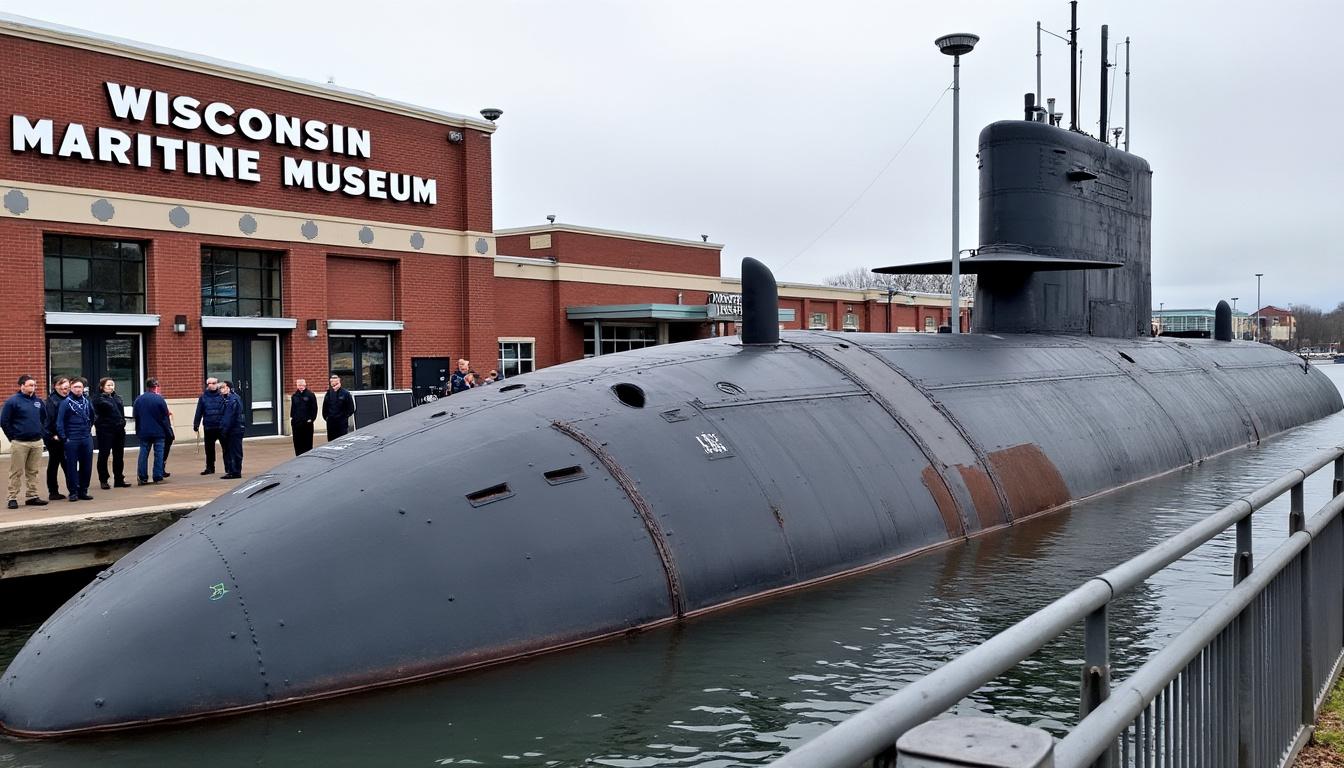
How Museum Security Enhancements Can Safeguard Historic Naval Exhibits
In response to the recent offensive messages, the Wisconsin Maritime Museum recognized the urgent need to upgrade its security protocols. Museum security today transcends traditional lock-and-key approaches; it integrates smart technology and real-time analytics to prevent incidents before they escalate.
Deploying high-resolution smart cameras capable of night vision and facial recognition (while respecting privacy laws) helps identify suspicious behavior before harm occurs. For example, the capture of two masked individuals placing posters near the USS Cobia was only possible due to such surveillance advancements. This information empowers law enforcement to investigate and deter future attempts.
Moreover, incorporating AI-driven alert systems allows museum personnel to receive immediate warnings when potential threats are detected. For a heavily visited treasure like the USS Cobia, where hundreds of visitors come to learn about naval heritage, uninterrupted access with minimized risk is paramount.
Some additional security innovations relevant to museums include:
- 🔒 Remote access control systems that regulate entry points without requiring physical presence.
- 📊 Behavioral analytics platforms that assess crowd patterns and flag unusual activities.
- 🎙️ Integration with smart tour guide audio apps, enhancing visitor experience while providing discreet communication channels for reporting issues.
The seamless integration of such technologies supports not only the defense against vandalism and offensive messaging but also advances the mission of educating the public on naval history responsibly and securely.
Notably, the use of guided smart tourism solutions has empowered museums nationwide to maintain rich cultural engagement without compromising safety. These tools simultaneously enhance visitor connection to exhibits while ensuring swift responses to security incidents.
Community Response and the Importance of Collective Action Against Hate
The discovery of offensive messages near the USS Cobia was met with immediate condemnation from the Wisconsin Maritime Museum and swiftly triggered a broader community response. In historical and cultural contexts, such acts represent more than mere vandalism—they threaten community cohesion and shared heritage.
The museum’s refusal to publish the hateful content was an intentional act to prevent amplifying harmful ideologies. Instead, the focus shifted towards mobilizing the public, local authorities, and other cultural institutions for preventive actions. Instances such as the public protests against the Patriot Front group near the museum illustrate the community’s resilience in confronting hate.
This collective vigilance forms a critical defense mechanism. Public outcry against offensive vandalism often leads to increased awareness, funding for security enhancements, and community programs aimed at inclusion and education. It also sets a precedent that such behaviors have no place in preserving and honoring naval history embodied by historical artifacts such as the USS Cobia.
Community influence can manifest in several practical ways:
- 👮♂️ Strengthening collaboration between museums and law enforcement agencies.
- 📚 Educational outreach programs with schools to discuss the impacts of hate speech and importance of preserving historical narratives.
- 🤝 Encouraging residents and visitors to report suspicious activities immediately to museum staff or local authorities.
These efforts have proven effective in curbing incidents and fostering respectful environments around historical sites, reinforcing the social responsibilities tied to cultural preservation.
USS Cobia as a Symbol of Naval History and the Challenges of Protecting Cultural Heritage
The USS Cobia not only exemplifies a World War II submarine’s engineering and wartime service but also serves as a tangible connection to America’s naval legacy. Since its docking at the Wisconsin Maritime Museum in 1970, the vessel has attracted scores of visitors eager to experience firsthand the historical significance of naval operations in the Pacific Theater.
This submarine underwent significant restoration, including a $1.5 million project reopening in recent years, further highlighting investments to keep the vessel accessible and informative for the public. Its scheduled dry dockings, such as the one that took place with assistance from Fincantieri Bay Shipbuilding in Sturgeon Bay, illustrate ongoing commitments to its preservation.
The museum’s labor in maintaining the submarine is intricately tied to the educational mission of conveying naval history’s realities. These artifacts provide a direct window to history, creating immersive experiences unmatched by books or digital media alone.
| 🚢 Preservation Activity | 🔧 Purpose | 📅 Frequency |
|---|---|---|
| Dry Docking | Hull inspections, cleaning, preventative repairs | Approximately every 15 years |
| Restoration Projects | Structural and aesthetic refurbishments | As needed, last major in 2020s |
| Security Upgrades | Installations of cameras & monitoring tools | Ongoing, reviewed annually |
Preserving such a vessel requires not only physical upkeep but also protection from incidents like offensive messages, which could tarnish the educational environment and alienate visitors. The USS Cobia exemplifies the intersection of historical preservation, museum security, and community involvement.
Discover detailed local coverage of the incident and further understand the museum’s response strategy.
Digital Tools and Smart Tourism Solutions to Enhance Visitor Engagement at Maritime Museums
Modern maritime museums, including the Wisconsin Maritime Museum, benefit greatly from smart tourism and audio technology innovations. These tools not only enhance visitor experience but also contribute indirectly to site security by encouraging engaged and informed audiences who are more likely to respect and protect heritage assets.
Interactive mobile applications convert any smartphone into a professional audio guide, providing layered historical content about exhibits like the USS Cobia. This technology supports multilingual narration, accessibility options for visitors with disabilities, and contextual storytelling that deepens understanding.
For museum administrators, leveraging these digital platforms means improving visitor flow management and real-time feedback collection. Additionally, integrated systems can feature discreet emergency notifications, connecting staff and visitors instantly if security issues arise.
Successful implementations of smart tourism in maritime museums typically include:
- 🎧 High-quality audio tours accessible through mobile apps, allowing personalized pacing.
- 📍 GPS-triggered content that activates as visitors explore different sections of the museum and ship.
- 📈 Data analytics providing insights into visitor preferences and behavior to refine offerings.
These innovative approaches profoundly increase engagement, making history more tangible and helping visitors develop genuine respect for historical preservation and museum security efforts.
Explore related topics on smart audio guides to learn how museums globally are revolutionizing visitor experience with technology.
What actions did the Wisconsin Maritime Museum take regarding the offensive messages?
The museum immediately removed the offensive posters and publicly condemned the messages without sharing their content to avoid amplifying hate speech.
How does the museum ensure the protection of USS Cobia from vandalism?
Through enhanced surveillance, routine maintenance like dry docking, and collaboration with local law enforcement, the museum maintains a secure environment.
What role does the USS Cobia play in naval history education?
The submarine serves as an immersive educational artifact, offering visitors insights into World War II naval operations and preservation efforts.
How can smart tourism technology improve the museum visitor experience?
Smart audio guides and apps provide personalized, accessible information on exhibits, increasing engagement and indirectly supporting security by fostering respectful visitor behavior.
Why is community response vital in addressing offensive acts near museums?
Community vigilance and public outcry help deter hate groups, support museum security, and reinforce respect for historical sites.
