
Peu de temps ? Voici l’essentiel à retenir :
✅ The Ocean Film Tour brings immersive marine documentaries to the Cape Cod Museum, offering insightful exploration of ocean life. 🌊
✅ Access engaging stories covering adventure, environmental impact, and marine conservation with a well-curated film selection. 🎥
✅ Enhance audience engagement by combining film screening with museum admission, maximizing cultural and educational value. 🎟️
✅ (Bonus) Utilize digital tools like guided audio apps to augment the exhibition experience and accessibility.
Bringing the Ocean Film Tour to Cape Cod Museum: An In-Depth Look at the Exhibition’s Marine Documentary Program
The Cape Cod Museum of Natural History in Brewster is set to showcase the Ocean Film Tour, an acclaimed series of marine documentary films designed to deepen public awareness of the ocean’s diverse ecosystems and human connections to the sea. Scheduled for March 14 from 11 a.m. to noon, this exhibition offers a curated selection of five short films, each delivering a unique perspective on marine life and environmental challenges.
Central to this showcase are films like “One Shot,” featuring surfer Eurico Romaguera and photographer Jorge Abain as they embark on a daring mission in Greenland to capture a transient wave formed by a calving glacier. This film deftly illustrates the fragility of polar environments and the beauty of ocean adventure under extreme conditions.
Another poignant entry, “Koholā,” directed by Daniel Sullivan, documents the return of humpback whales to Maui’s shores following the devastating Lahaina wildfires, symbolizing resilience and nature’s role in healing communities impacted by environmental disasters. Such storytelling exemplifies how documentary film can foster empathy and connection between viewers and marine conservation efforts.
Additional films, including “Souls,” recount the lives of six individuals with rich histories tied to the ocean, spotlighting human achievements and cultural heritage linked to the sea, while “The Jaguar House” follows a collaborative architectural project in the Yucatan, merging human ingenuity with coastal living. Finally, “I Feel You” focuses on the pressing issue of plastic pollution at the ocean’s surface, providing a visual narrative of the environmental hazards facing marine ecosystems today.
For professionals curating museum exhibits or planning cultural events, this showcase embodies a compelling model of combining documentary storytelling with tangible local relevance. The $15 ticket, which includes museum admission, underscores an integrated approach to boosting visitor engagement and education through combined access.
In sum, the Ocean Film Tour at Cape Cod offers a multifaceted marine exhibition that serves both as a cinematic experience and a call to awareness regarding ocean health, directly aligning with museum missions to promote environmental stewardship. Further resources for planning similar exhibitions might be explored through platforms such as top museums in Massachusetts, illustrating regional best practices in cultural programming.
How the Ocean Film Tour Enhances Cape Cod Museum’s Role in Marine Education and Conservation Awareness
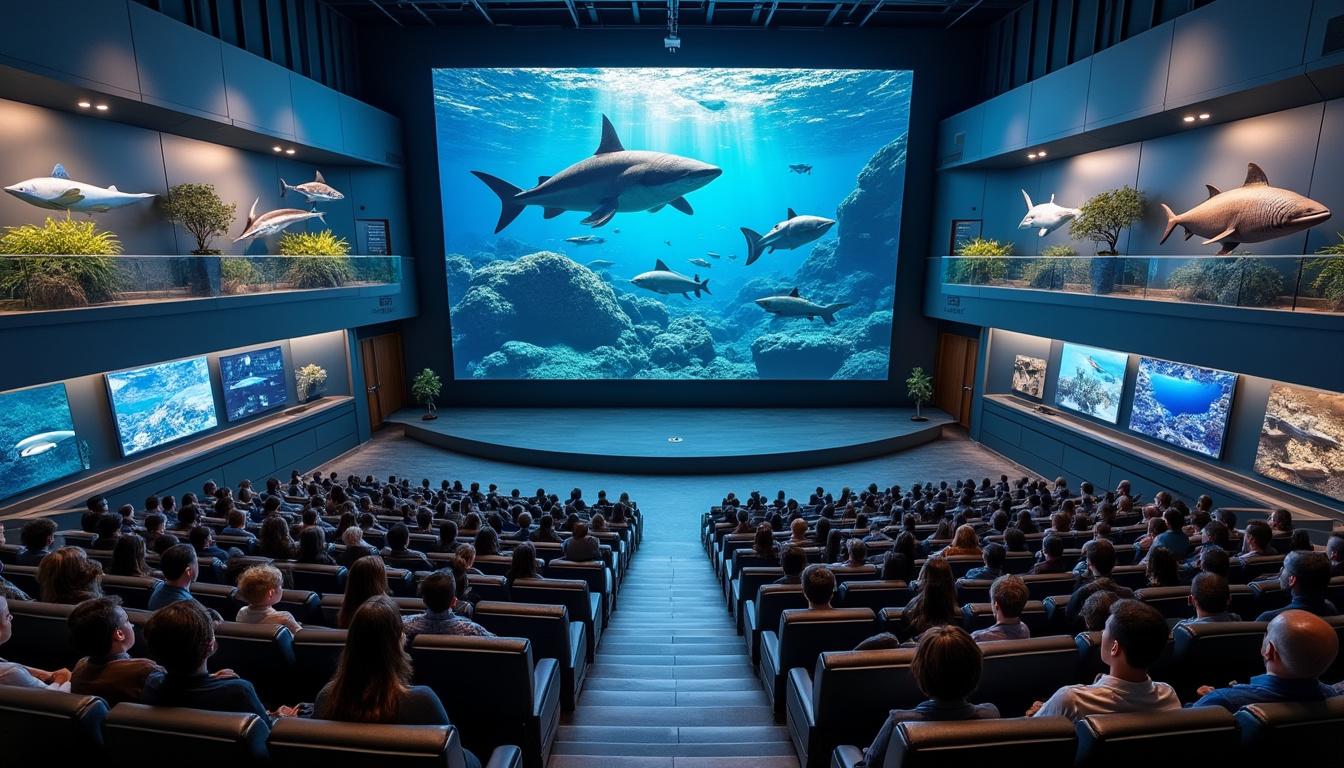
The integration of the Ocean Film Tour within the Cape Cod Museum of Natural History exemplifies an innovative approach to leveraging film as an educational medium in museum contexts. By presenting visually compelling marine documentaries, the museum is not only expanding its exhibition repertoire but also strengthening its role as a hub for environmental education and community engagement.
This initiative provides visitors with immersive storytelling experiences that offer more than passive viewing—they catalyze reflection on the ocean’s ecological challenges and inspire proactive conservation attitudes. The films’ narratives, rooted in adventure, ecology, and human stories, serve as effective vehicles for communicating complex environmental issues in an accessible way.
Moreover, museums facing budgetary and space constraints can model this approach to maximize impact through multimedia programming. The combined ticketing mechanism that includes museum entry ensures that audiences benefit from both physical artifacts and complementary film narratives, enriching their overall understanding of marine science.
An example of the practical benefits lies in visitor engagement metrics, where interactivity and multimedia presentations typically increase dwell time and satisfaction. Incorporating digital tools such as guided audio apps—like those pioneered by Grupem—can further augment this experience by providing contextual information, translations, or thematic interpretation accessible via visitors’ smartphones. This smart tourism approach enhances accessibility for diverse audiences, including those with sensory impairments.
From a professional standpoint, the Ocean Film Tour exemplifies a scalable model for museums aiming to fuse audiovisual innovation with environmental missions. Establishments planning to replicate such exhibitions can benefit from partnerships with documentary producers and digital platform providers to streamline deployment and enhance visitor interactivity.
Engagement through Storytelling: Case Studies from the Tour
The film “One Shot” offers a high-stakes narrative blending adventure sports with environmental context, encouraging reflection on climate change impacts in polar regions. Meanwhile, “Koholā” presents a timely story of ecological recovery intertwined with community resilience, suitable for discussions on disaster recovery and species preservation.
These films are carefully selected to appeal to varied demographics, from youth audiences passionate about surfing and adventure, to conservation-minded adults engaged in policy and science, reinforcing the museum’s capacity to reach wide visitor segments effectively.
The Importance of Marine Documentaries in Promoting Ocean Conservation at Cultural Venues
Marine documentaries like those included in the Ocean Film Tour serve crucial roles beyond entertainment; they are catalysts for raising public awareness and influencing behavioral change regarding ocean conservation. In cultural venues such as the Cape Cod Museum, these films transform abstract scientific data into relatable, emotional narratives.
Documentaries explore pressing issues such as plastic pollution, as seen in “I Feel You,” which vividly captures the growing environmental crisis of waste accumulation on the sea surface. By visualizing these challenges, the film educates audiences on topics that might otherwise remain intangible or overlooked.
Additionally, documentaries foster personal connections with ocean environments, as exemplified by “Souls,” where intimate stories highlight how the sea shapes individual identities and achievements. This human dimension is vital for motivating stewardship as it personalizes the abstract concepts of ecosystem health.
Furthermore, exhibiting such films in museum settings aligns with the increasing trend of mixed media exhibitions, which combine artifact displays with digital storytelling to provide comprehensive visitor experiences. Museums can take advantage of this trend by integrating documentary screenings into programming schedules, thereby attracting a broader, more diverse audience.
| 🎬 Film Title | 🌊 Focus Area | ⏳ Duration | 🎯 Educational Theme |
|---|---|---|---|
| One Shot | Glacier Waves, Adventure | 12 min | Climate Change & Ocean Dynamics |
| Koholā | Humpback Whale Recovery | 15 min | Wildlife Resilience & Community Healing |
| Souls | Personal Ocean Stories | 20 min | Human Connection with Marine Life |
| The Jaguar House | Architectural Collaboration | 10 min | Human-Nature Interaction |
| I Feel You | Plastic Pollution Impact | 13 min | Environmental Awareness |
Curating film-focused exhibitions that emphasize key environmental themes equips cultural venues with powerful tools to engage audiences meaningfully and contribute to ocean conservation efforts at a local and global scale.
Optimizing Visitor Experience at the Cape Cod Museum Ocean Showcase through Smart Technology
Incorporating smart tourism principles enhances the visitor experience during the Ocean Film Tour exhibition. Providing accessible, user-friendly digital guides, especially audio tours accessible on smartphones, enriches visitor understanding of the films and their broader environmental messages.
Apps like Grupem transform traditional museum visits by offering synchronized commentary, thematic deep dives, and contextual data that visitors can absorb at their own pace. This fosters a personalized and immersive journey through the exhibition, accommodating varied learning styles and preferences.
Such technologies also improve exhibit accessibility, catering to non-native speakers and individuals with hearing impairments through translations and subtitles. Museums hosting events like the Ocean Film Tour can leverage these innovations to increase inclusivity and visitor satisfaction.
Additionally, digital tools facilitate real-time analytics for organizers, helping measure visitor interest, preferred content, and engagement levels. This data supports continuous improvement of exhibition design and programming.
Integrating these insights, Cape Cod Museum can position itself at the forefront of smart cultural tourism, offering professionally curated marine exhibitions enhanced with modern audio tech solutions. Similar approaches have been successfully implemented in other contexts, such as thematic exhibitions highlighted in the Tidal Treasures Museum.
Best Practices for Deploying Audio-Enhanced Museum Tours
- 🎧 Equip visitors with smartphone-accessible audio guides or apps.
- 🔍 Provide layered content allowing surface-level and in-depth exploration.
- 🌐 Offer multilingual support and accessible formats such as captions.
- 📊 Use visitor data to tailor future exhibitions and enhance content relevance.
- 💡 Train staff to assist with technology use and troubleshoot common issues.
Practical Insights for Cultural and Tourism Professionals from the Cape Cod Ocean Film Tour Event
The Ocean Film Tour’s presence at the Cape Cod Museum offers actionable insights for professionals working in tourism, museum curation, and event organization. Leveraging documentary film as an educational and engagement tool can significantly enhance public reach and impact.
Key takeaways include:
- 🌟 Combining film screenings with physical museum exhibitions maximizes visitor immersion and educational value.
- 📅 Scheduling events during off-peak hours or days can improve accessibility and attendance without compromising regular operations.
- 🎟️ Bundled ticketing programs encourage attendance through cost-effective packages including admission and special programming.
- 🤝 Partnering with filmmakers and environmental organizations lends credibility and expands promotional opportunities.
- ⚙️ Deploying smart tourism technologies streamlines visitor interaction and expands demographic reach.
These strategies support sustainable event programming and contribute to raising awareness about ocean conservation responsibly and effectively. Further inspiration for integrating cultural and environmental themes can be found in similar thematic presentations illustrated in the Black Film History exhibitions, showing the impact of focused storytelling within museum settings.
What is the Ocean Film Tour?
The Ocean Film Tour is a curated series of short documentaries focused on ocean adventures, environmental challenges, and inspiring stories connected to marine life. It brings impactful visual narratives to audiences in cultural venues like museums.
Where and when is the Cape Cod Museum screening held?
The screening is scheduled for March 14 from 11 a.m. to noon at the Cape Cod Museum of Natural History, located at 869 Main Street, Brewster. Tickets cost $15 and include museum admission.
How do marine documentaries help with ocean conservation awareness?
Marine documentaries translate complex environmental issues into engaging stories, fostering connection, empathy, and awareness, which motivate behavioral changes and support for conservation efforts.
Can visitors enhance their experience during the Ocean Film Tour event?
Yes, visitors can use smart audio guide apps on their smartphones to access additional information, translations, and thematic content, improving accessibility and engagement throughout the exhibition.
Are there other museums using similar multimedia educational approaches?
Many leading museums integrate multimedia and documentary screenings to complement artifacts and exhibits; examples and best practices can be explored through curated resources such as the Top Museums in Massachusetts collection.
