
Peu de temps ? Voici l’essentiel à retenir :
✅ Discovery unveils a 2,000-year-old ancient coin used as bus fare in 1950s England
✅ Rigorous archaeology and numismatics research confirmed its origins and circulation
✅ Cases like this emphasize the importance of smart tourism technologies to share historical artifacts seamlessly during visitor engagement 🎧
Tracing the Journey of a Rare Coin: From Ancient Minting to Modern-Day Bus Fare
The story of a rare coin that circulated as bus fare in Leeds during the 1950s offers a compelling glimpse into the life of an antique currency and its unexpected presence in modern times. This coin, now confirmed to be over 2,000 years old, was originally minted in the ancient Phoenician city of Cadiz, in what is present-day Spain, dating back to the 1st century B.C. Such a discovery merges the worlds of archaeology and everyday history, illustrating how relics of ancient civilizations can resurface in surprisingly ordinary contexts.
Peter Edwards, the coin’s custodian during the mid-20th century, inherited the piece from his grandfather, who had been a cashier for Leeds Transport Company. This rare occurrence sparked curiosity because the coin, striking in its antiquity, was seemingly used to pay a routine bus fare. Close scientific examination revealed scratch marks and wear patterns consistent with its long circulation throughout the ancient Mediterranean. These details were pivotal in confirming its authenticity, drawing significant attention in the field of numismatics.
The implications of this finding transcend a purely historical narrative: it bridges gaps between past and present, offering tourism professionals a unique storytelling asset. By integrating such rich backgrounds into digital guides and museum collections, operators can leverage innovative audio tech solutions — such as those promoted by Grupem — to deliver contextual, engaging visitor experiences focused on tangible connection with history.
Knowing the coin’s journey raises pertinent questions about how ancient artifacts travel through time and space. Theories abound — ranging from being a collectible item passed down through family generations, to possible uses as novelty tokens or even inadvertent currency substitution during times of shortage. The intrigue surrounding the coin’s use as bus fare enhances public engagement with local heritage, an opportunity to be maximized through well-curated smart tourism tools.
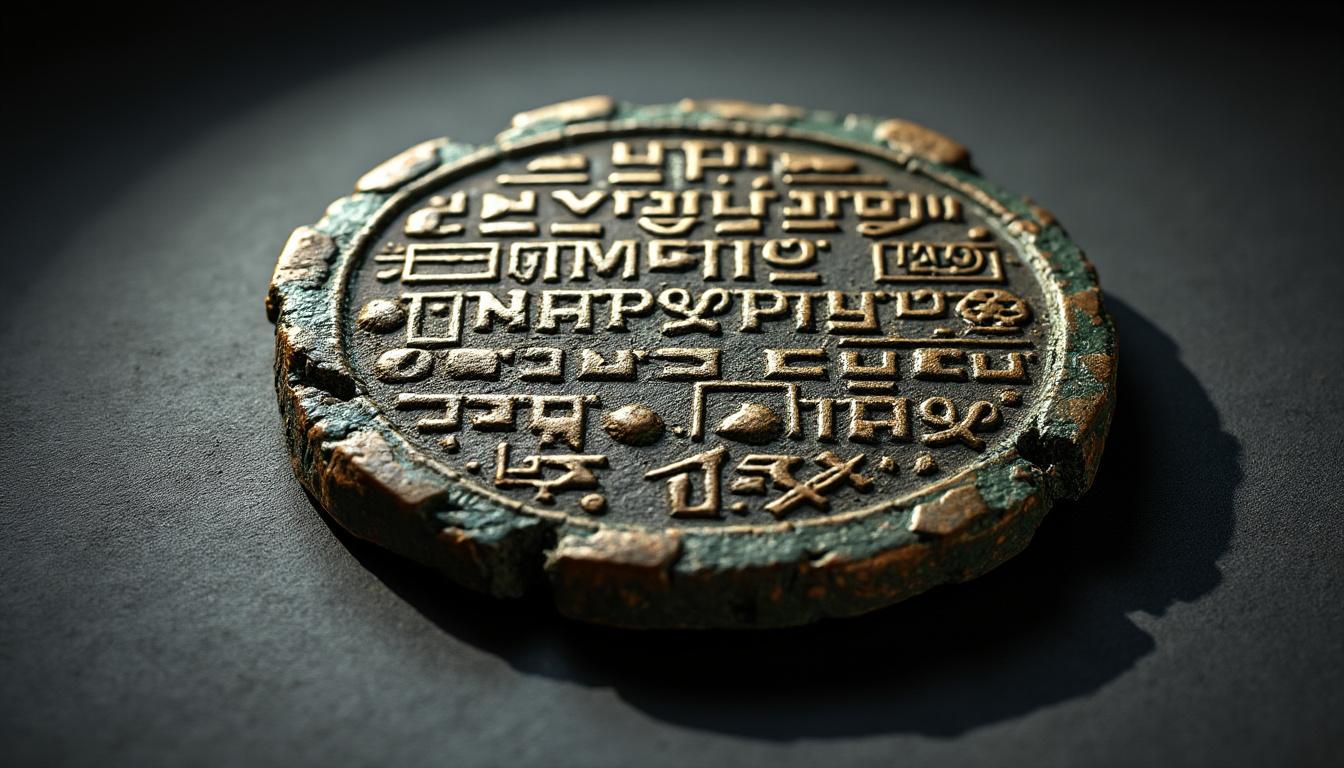
Technological Advances in Archaeology: Confirming the Origins of a 2,000-Year-Old Historical Artifact
The identification and authentication of this ancient coin depended on cutting-edge technology and expert analysis. Archaeologists and numismatists employed microscopic imaging, metallurgical testing, and comparative studies with collections worldwide to authenticate the coin. The scientific breakthrough demonstrated scratch patterns and corrosion consistent with ongoing circulation during the late Iron Age, rather than being a mere replica or an isolated artifact.
Research led by specialists, including those affiliated with University College London, revealed distinctive markings that aligned with coins minted under the aegis of the Carthaginian empire, a dominant maritime power of antiquity. This not only confirmed the coin’s remarkable age but also linked it to historical trade routes stretching across the Mediterranean basin.
The technology used to examine this rare artifact illustrates the leaps taken by modern archaeology in preserving and understanding history. Tools like 3D scanning and spectral analysis enable precise documentation of wear and patina while ensuring the coin’s condition remains undisturbed. Digitally archiving such findings supports museums and cultural institutions worldwide, making heritage accessible beyond physical exhibitions.
From a professional tourism perspective, these insights encourage museums and guides to integrate advanced narratives rooted in scientific findings, enhancing visitor interaction through facts rather than assumptions. Smart audio guides can incorporate such content dynamically, providing depth that transforms casual interest into informed appreciation.
Integrating Ancient Discoveries into Smart Tourism Strategy for Enhanced Visitor Engagement
The historical discovery of a bus fare coin used 2,000 years ago presents a valuable example for modern smart tourism practitioners. Engaging audiences with surprising stories about everyday objects stimulates interest and creates memorable experiences. Combining this approach with innovative audio technology ensures information is both accessible and captivating, especially for diverse visitor profiles.
Successful integration involves several key elements:
- 🎧 Tailored audio narratives contextualizing the ancient coin within both antiquity and its modern Leeds bus fare use
- 📱 Use of mobile apps like Grupem to enable self-guided tours combining sound, images, and augmented reality
- 🖼️ Collaboration with museums to exhibit the coin alongside digital reconstructions and interactive presentations
- 🌍 Incorporation of the coin’s story into broader themes such as ancient transportation and trade networks
- 🔍 Providing accessible educational content that aligns with professional standards in cultural mediation
This model supports a shift from passive observation to active learning, where visitors can engage deeply without requiring specialist knowledge upfront. The challenge lies in coordinating historical authenticity with technological finesse, ensuring the rare coin story enhances, rather than overshadows, institutional missions.
Moreover, smart tourism tools facilitate accessibility for multilingual and differently-abled audiences, expanding the reach of cultural heritage. When narrative and technology converge properly, the experience becomes seamless — a fundamental goal for cultural venues aiming to increase participation and revenue.
Why Preserving and Showcasing Rare Antique Currency Matters in Contemporary Cultural Settings
Antique currencies like this rare coin hold considerable cultural and academic relevance. They offer direct insights into economic systems, social exchanges, and artistic expressions of past societies. By presenting them effectively within contemporary museum contexts, institutions fulfill educational mandates and connect communities with their shared heritage.
Preservation efforts safeguard these objects against deterioration, but equally vital is the method of exhibition. Employing digital media—such as interactive touchscreens and audio tours powered by smart tech—complements traditional display cases, making the stories behind artifacts vivid and approachable.
Institutions, particularly those involved in archaeology and numismatics, gain several benefits from such engagement:
| 🔍 Benefit | 🎯 Description | 🌟 Impact |
|---|---|---|
| Educational Value | Facilitates deeper understanding of ancient economies and societies | Enhances visitor knowledge and satisfaction |
| Visitor Engagement | Captures interest with unique stories like bus fare use | Boosts attendance and feedback scores |
| Digital Accessibility | Enables remote and on-site accessibility via smart apps | Broader reach and inclusion |
| Cultural Preservation | Protects fragile artefacts through digital representation | Long-term conservation and awareness |
The case of this coin reinforces the importance of integrating ancient transportation narratives with modern technology, creating multi-dimensional museum experiences. Visits become opportunities for discovery rather than passive observation, aligning with contemporary expectations for cultural programming.
How Uncovering 2,000-Year-Old Artifacts Influences Understanding of Historical Interconnections
Discoveries like the Leeds bus fare coin enrich knowledge on ancient trade networks and cultural exchanges. The 1st-century B.C. coin’s origins in Phoenician Cadiz highlight how Mediterranean civilizations influenced regions far beyond their immediate borders. This rare find suggests that historical artifacts can wander through time, surfacing in unexpected locales, thereby expanding the geographical and chronological scope of archaeological research.
Such artifacts provide evidence of the complexities of ancient economies, including the circulation of currency and goods, which in turn influences interpretations of social and political structures. The presence of this coin in mid-20th-century England opens a dialogue about provenance, collection histories, and the evolving significance of artifacts over millennia.
For professionals managing tours or interpretive programs, the narrative serves as a compelling case study in how historical discovery and cultural mediation intersect. Employing advanced storytelling tools helps illustrate the transnational journey of this coin, reinforcing the connections between contemporary societies and their ancestral legacies.
To explore related historical narratives and innovative museum debuts, tourist operators and cultural institutions can utilize resources such as top museum debuts of 2026 and strategies outlined for navigating major museum closures like those noted with the British Museum.
What makes this ancient coin a rare find?
This coin is rare because it originates from the 1st century B.C., minted in the Phoenician city of Cadiz, and has traces of usage over 2,000 years ago, confirmed by detailed scientific analysis.
How was the coin used as bus fare in the 1950s?
The coin was reportedly handed to a bus conductor in Leeds in the 1950s, possibly as an unusual payment, highlighting its transition from ancient currency to a modern token with unclear origins.
What technologies assist in authenticating such ancient artifacts?
Techniques like microscopic examinations, metallurgical tests, and 3D imaging help experts verify wear patterns, metal composition, and inscriptions, distinguishing authentic artifacts from replicas.
Why is it important to integrate such artifacts into smart tourism experiences?
Integrating artifacts like this coin into digital audio guides and interactive displays enhances visitor engagement, accessibility, and the educational value of cultural sites.
Where can I learn more about similar archaeological discoveries?
Resources such as studies on Phoenician coins and UCL archaeology breakthroughs offer in-depth insights.
