
Unveiling the Rich History of the Frist Art Museum: From Post Office to Cultural Landmark
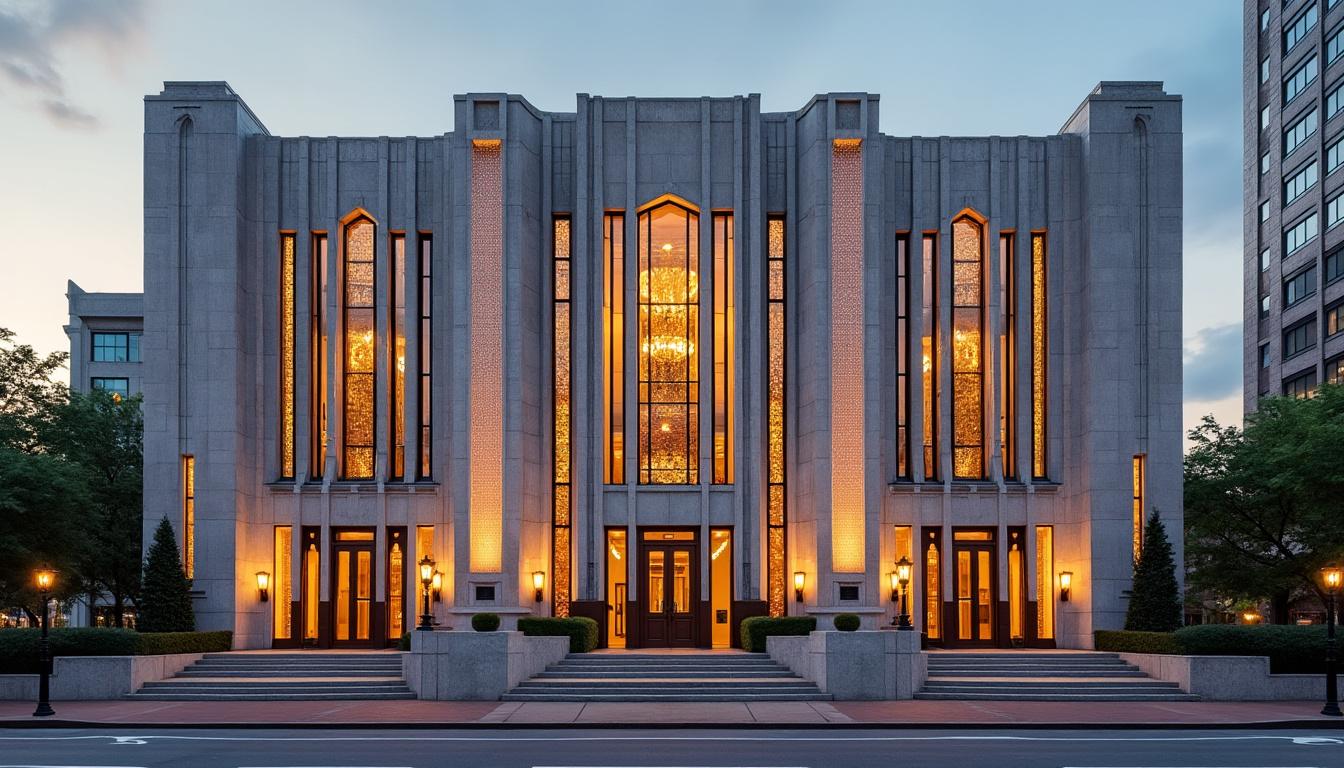
The Frist Art Museum stands as a remarkable testament to Nashville’s commitment to preserving cultural heritage and promoting art exploration. Originally constructed between 1933 and 1934 as the city’s main post office, this iconic Art Deco building has undergone a significant transformation to become one of the most beloved cultural landmarks in Music City. The restoration effort, championed by Dr. Thomas F. Frist Jr. and his family, highlights a successful public/private partnership that repurposed a historic building into a vibrant art museum, which officially opened its doors in 2001.
Visitors exploring the museum gain firsthand insight into this evolution through exhibitions like “A Landmark Repurposed: From Post Office to Art Museum,” currently on display in the Conte Community Arts Gallery. This exhibit, coinciding with the museum’s 25th anniversary, offers an immersive dive into the museum’s architectural and historical journey. Archival images, architectural drawings, vintage photographs, and original planning documents reveal the intricate process of preserving the Art Deco aesthetic while adapting the space for modern art exhibitions.
Understanding the architectural significance of the Frist Art Museum is essential for appreciating its role in art history. The building’s sleek design and soaring ceilings not only serve as a stunning backdrop for the exhibits but also embody an era marked by innovation and elegance. Its listing on the National Register of Historic Places affirms this significance, attracting architecture enthusiasts alongside art lovers.
The museum’s history intertwines with Nashville’s urban development and cultural shifts, positioning it as a bridge between past and present. This dynamic relationship emphasizes how historical exhibits serve not just as reminders of heritage but also as springboards for future creative vision. The Frist Art Museum’s ability to honor the past while supporting contemporary cultural expression underlines its leadership within the regional art education landscape.
For those planning a visit, detailed historical context enriches the overall museum experience. Resources such as the museum’s official introduction and gallery description provide invaluable background, enabling visitors to engage more deeply with the physical space and the rotating exhibits housed within.
Engaging with Ever-Changing Exhibits: A Spectrum of Art Collections and Cultural Narratives
The Frist Art Museum distinguishes itself as a dynamic institution by maintaining a rotating roster of exhibitions rather than a permanent collection. This approach encourages continuous art exploration and ensures that every museum visit offers fresh perspectives. The diversity ranges from ancient masterpieces to cutting-edge contemporary works, encompassing an extensive array of mediums, styles, and cultural backgrounds.
Past exhibitions have exemplified this variety, such as “Paul McCartney Photographs 1963–64: Eyes of the Storm,” which focused on a pivotal era in music and photography, and “New African Masquerades: Artistic Innovations and Collaborations,” shedding light on vibrant African artistic traditions and their modern reinterpretations. Other notable exhibitions include “Venice and the Ottoman Empire,” highlighting historical cross-cultural exchanges through visual art.
Upcoming exhibitions continue to exemplify this wide scope. The 2026 season includes “International Surrealism from Tate: Fifty Years of Dreams”, a major showcase of surrealist works from a renowned international collection, demonstrating global artistic dialogues. “An Indigenous Present” and “Beauty and Ritual: Judaica from the Jewish Museum, New York” further present compelling narratives and ritualistic art, reflecting the museum’s commitment to diversity and in-depth cultural representation.
The museum curates special exhibitions that not only captivate with visual appeal but also serve educational purposes, enhancing visitors’ understanding of art history, cultural heritage, and contemporary issues explored through art. Through its comprehensive program of exhibitions, the Frist Art Museum enables audiences to continually discover new aspects of visual art, fostering an inclusive cultural environment.
To stay current with exhibition schedules and details, visitors can consult the museum’s exhibition page, which provides timely updates and helps plan enriching museum visits centered around featured shows.
Innovative Approaches to Art Education and Visitor Engagement at the Frist Art Museum
The Frist Art Museum integrates smart tourism strategies and innovative technologies to enhance visitor engagement and accessibility. Embracing digital tools aligns with the institution’s forward-thinking ethos, recognizing the evolving expectations of contemporary museum audiences.
One notable initiative is the use of audio technology to facilitate self-guided tours, allowing visitors to explore the museum’s visual art at their own pace while receiving contextual explanations that deepens their understanding of the exhibits. This smart audio experience, integrated into visitors’ smartphones, reflects the latest developments in audio tech aimed at enriching cultural participation without complicating the user experience.
Furthermore, interactive spaces such as the Martin ArtQuest Gallery offer hands-on art education opportunities where visitors can engage directly with artistic processes. These interactive exhibits bridge the gap between observer and creator, fostering a participatory form of learning that complements traditional viewing experiences.
Professional guides and museum staff also employ digital platforms to manage group tours efficiently and incorporate multimedia content, facilitating inclusive education for diverse audiences from school groups to lifelong learners. This integration of technology supports the museum’s mission to make art accessible and engaging for all, ensuring a high-quality museum visit grounded in both entertainment and education.
To optimize planning and streamline visitor access, the museum’s digital presence on its planning page offers practical guidance on tickets, hours, and amenities, reflecting a user-centric approach to cultural tourism.
Architectural Excellence and Cultural Heritage as Foundations of Museum Identity
The Frist Art Museum’s architectural grandeur is more than just a visual spectacle: it is an integral element of the institution’s identity and mission. The Art Deco design’s emphasis on symmetry, geometric forms, and ornamental detail symbolizes a celebration of modernity coupled with reverence for tradition.
The transformation from a federal post office to a leading art museum involved meticulous restoration to reveal original design elements, such as intricate moldings, terrazzo floors, and expansive windows that flood galleries with natural light. These architectural features enhance the presentation of art and elevate the visitor experience by situating artworks within an environment that itself is a cultural treasure.
Preserving this heritage required collaboration between architects, historians, conservation experts, and community stakeholders, illustrating how cultural heritage preservation can fuel contemporary creative endeavors. The museum thus serves as a case study in adaptive reuse, inspiring similar projects aiming to balance historical fidelity with functional modern spaces.
Visitors gain insight into this architectural narrative through curated content and exhibit materials, enriching appreciation for the building’s role beyond mere functionality. This intersection of art, architecture, and history exemplifies how museums serve as custodians of multifaceted cultural legacies.
Key architectural highlights and their cultural significance include:
- 🖼️ Ornate ceiling murals and period finishes that evoke 1930s aesthetics
- 🛠️ Restoration techniques used to maintain structural integrity while updating facilities
- 🏛️ Retention of original postal service elements that anchor the building’s historical narrative
Planning Your Visit to the Frist Art Museum: Practical Insights for Maximized Cultural Experience
For professionals in tourism and museum sectors or visitors aiming to optimize their visit, practical knowledge of the Frist Art Museum’s offerings and logistics is essential. Given its location in downtown Nashville, the museum is conveniently accessible by various modes of transportation, with nearby parking and public transit options facilitating smooth access.
Understanding the museum’s programming schedule is key. The frequently changing exhibitions require visitors to check current shows before arrival, ensuring alignment with their interests. The museum’s website offers comprehensive planning tools, from ticket purchases to event calendars.
A visit typically involves exploring multiple galleries with diverse thematic focuses, interactive components, and multimedia installations. Adequate time planning is recommended, allowing visitors to experience both the rotating exhibits and permanent features such as the Martin ArtQuest Gallery.
Recommended best practices for museum visits include:
- 🕒 Allocating at least 2-3 hours to fully engage with exhibitions
- 📱 Utilizing audio guides or mobile apps for on-demand contextual information
- 🎟️ Scheduling visits during off-peak hours to avoid crowds and enhance comfort
- 🧑🤝🧑 Participating in guided tours or educational programs whenever available
For detailed visitor information, amenities, and frequently updated exhibit listings, the official site provides valuable resources, making the planning process straightforward and user-friendly.
| 🚩 Aspect | ⚙️ Details | 🎯 Benefit |
|---|---|---|
| Ticketing | Online advance purchase recommended | Ensures entry and reduces wait times |
| Audio Guide | Smartphone-based with multilingual options | Enhances understanding of exhibits |
| Accessibility | Wheelchair accessible, assistive devices available | Inclusive museum visit for all visitors |
| Parking | Nearby paid parking garages and street parking | Convenient access for visitors with vehicles |
Utilizing these recommendations not only improves visitor experience but also aligns with modern expectations for accessible, efficient, and engaging cultural tourism. Professionals in the industry can draw inspiration from the Frist Art Museum’s integration of technology, education, and heritage management to elevate their own offerings and visitor satisfaction.
Does the Frist Art Museum have a permanent collection?
No, the Frist Art Museum operates as a non-collecting institution with rotating exhibitions, ensuring a dynamic and evolving visitor experience.
What makes the Frist Art Museum’s building historically significant?
The museum is housed in a beautifully restored Art Deco building that originally served as Nashville’s main post office, and it is listed on the National Register of Historic Places.
Are there educational programs available at the museum?
Yes, the museum offers a range of educational initiatives including interactive galleries like the Martin ArtQuest Gallery, as well as guided tours and multimedia learning tools.
How can visitors enhance their museum visit experience?
Visitors are encouraged to use smartphone-based audio guides, allocate sufficient time for exhibitions, and check current exhibition schedules via the museum’s website.
Is the Frist Art Museum accessible to people with disabilities?
Absolutely, the museum provides wheelchair access and assistive devices to ensure inclusivity for all visitors.
