
Peu de temps ? Voici l’essentiel à retenir :
- ✅ iOS 26.4 Beta introduces a dedicated CarPlay category for voice-based AI assistants, enabling native integration of platforms like ChatGPT and Gemini in vehicles.
- ✅ Voice interaction is prioritized to ensure driver safety by limiting visual distractions and managing audio sessions efficiently.
- ✅ Developers must adopt Apple’s Voice Control template and abide by specific restrictions, ensuring seamless and hands-free communication.
Enhancing Automotive Technology with iOS 26.4 Beta’s CarPlay Voice AI Integration
Apple’s latest iOS 26.4 Beta marks a significant step forward in the evolution of automotive technology by integrating advanced Voice AI Assistants directly into the CarPlay ecosystem. This integration allows platforms such as ChatGPT and Google’s Gemini to function natively on vehicle dashboards, creating an intelligent, voice-first interaction model. Up until this update, drivers had to navigate limited workaround solutions, such as connecting phone audio through Bluetooth or launching AI via Siri Shortcuts, which could be inconsistent and less efficient for voice-based communication during driving.
The introduction of a new entitlement for “voice-based conversational apps” in the CarPlay Developer Guide consolidates Apple’s intent to prioritize voice over visual engagement. This is a critical enhancement as it helps reduce distractions by limiting text or imagery responses on the vehicle screen. By enforcing such design principles, Apple addresses one of the most important concerns in automotive user experience: maintaining focus on the road while accessing intelligent, context-aware assistance.
Furthermore, this integration is not only about bringing AI chatbots to cars but also improving voice control interactions with minimal interruption to other in-car audio activities. Through smart audio session management, AI assistants will only occupy the car’s audio channel when actively responding, avoiding idle audio blocking music or radio playback. This development will create a more seamless and integrated cabin environment for drivers, elevating the overall pragmatic utility of CarPlay in 2026.
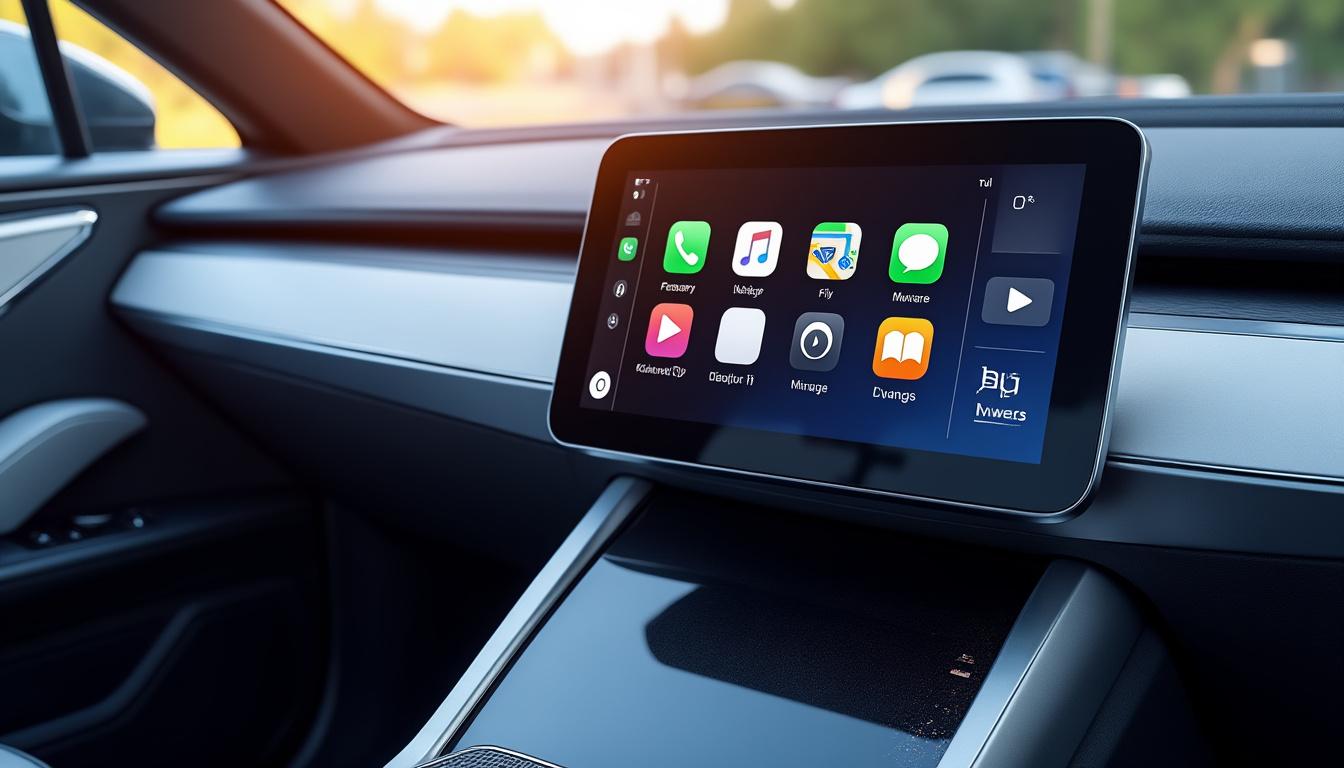
Prioritizing Safety and User Experience in CarPlay Voice AI Apps
Integrating advanced AI assistants like ChatGPT and Gemini into CarPlay demands rigorous safety standards. Apple’s design choices for iOS 26.4 reflect a thoughtful approach to safety and user experience crucial for automotive environments. The framework requires developers to build voice-first applications that avoid visual clutter and emphasize audio feedback. For example, the new Voice Control template provides visual confirmation only during listening and processing phases, ensuring the screen remains unobtrusive during use.
Apple enforces clear boundaries preventing AI assistants from becoming system-wide voice controllers within CarPlay. Users must manually launch these apps through the CarPlay home screen, as activating them via wake words or steering wheel buttons is currently disallowed. This reduces the risk of inadvertent app triggers and reinforces driver attention.
Another safety-focused design aspect is the limited number of quick action buttons—up to four—that can be incorporated in the interface. These buttons facilitate swift commands without requiring deep navigation, allowing users to handle common tasks efficiently. Examples of such commands might include requesting the AI to read out messages, initiate navigation, or control vehicle audio.
To further tackle distraction, Apple’s stringent control over audio sessions ensures AI assistants only command the sound output when actively engaged, avoiding interference with music or FM radio when the AI application is idle. These deliberate constraints show Apple’s commitment to balancing innovation with responsible automotive interface design. For professionals in the cultural and guided tour sectors, leveraging this level of intelligent voice assistance while maintaining driver focus is critical to delivering enhanced visitor experiences without compromising safety.
Developer Insights: Utilizing the New CarPlay Entitlement for Voice AI Assistants
Apple’s release of the iOS 26.4 Beta to developers introduces a specialized CarPlay entitlement aimed at voice-based conversational applications. Developers aspiring to integrate AI assistants like ChatGPT, Gemini, or Anthropic’s Claude must adhere to several explicit technical requirements designed to ensure coherence and safety in automotive contexts.
- 🛠️ Adopt the Voice Control UI Template: This template governs audio feedback, voice recognition visualization, and response handling to maintain consistency across apps.
- 🛠️ Minimum OS Requirement: The CarPlay entitlement mandates iOS 26.4 as the minimum build, which leads to strict version gating for users wishing to benefit from voice AI integration.
- 🛠️ Strict Voice-First Interaction: Applications must prioritize voice inputs and outputs, limiting or eliminating on-screen text and imagery to focus the driver’s attention.
- 🛠️ Manual Launch and Session Management: Voice AI apps cannot replace the default system assistant nor respond to system wake words; they require manual startup and manage audio sessions carefully to avoid disrupting other media.
Such requirements are essential for maintaining a uniform and safe experience within CarPlay’s ecosystem. Developers looking into integrating these AI assistants should consider how their applications will blend with existing vehicle audio sources and command structures. For instance, a tour guide service could leverage these voice AI assistants to provide dynamic, real-time storytelling without interrupting ambient vehicle music or radio, fulfilling Grupem’s vision of modern, accessible visits enhanced by smart audio technology.
The integration also presents new opportunities for developers to innovate further in conversational AI tailored to in-car environments. As these frameworks mature, expect more sophisticated capabilities, including multi-turn dialogues optimized for quick comprehension and minimal driver distraction, as detailed in Apple’s updated CarPlay AI documentation.
Transforming the User Journey: Practical Applications within Smart Tourism and Cultural Visits
The arrival of voice AI assistants into CarPlay opens new avenues for enhancing the tourist experience, particularly for professionals managing guided tours, museums, or events. The potential to incorporate conversational AI such as ChatGPT or Gemini directly into vehicles transitions smart tourism from handheld devices to an immersive, hands-free experience. Drivers or passengers can receive enriched, context-sensitive commentary during transit between heritage sites or throughout scenic drives, all via natural language interaction.
Consider a cultural tour company employing this technology to deliver multilingual narrations that adapt fluently to audience inquiries or bird’s-eye views of landmarks. Passengers can ask specific questions about history, architecture, or local culture, with the assistant responding in real time without needing to consult an external device. Additionally, since interactions are voice-first, users need not divert their gaze from panoramic views or alter their driving attention.
From an accessibility standpoint, this integration is particularly advantageous. Travelers with visual impairments or reading difficulties can fully benefit from detailed audio guides powered by AI assistants. Likewise, event organizers can coordinate group tours using voice prompts to ensure smooth logistics and timely updates while minimizing technological friction.
Eventually, these capabilities can be woven into holistic smart tourism platforms, like Grupem, which combine multimedia storytelling with AI responsiveness, resulting in visits that are both modern and engaging without sacrificing ease of use or safety.
Technical Comparison: Voice AI Integration Across Automotive Platforms in 2026
| 🚗 Platform | 🗣️ Voice AI Support | 🎯 Primary Interaction Mode | 🔒 Safety Features | 🕹️ User Controls |
|---|---|---|---|---|
| Apple CarPlay (iOS 26.4) | ChatGPT, Gemini, Claude | Voice-first with minimal visual feedback | Audio session management, manual app launch, no wake words | Up to 4 quick action buttons, voice commands only |
| Android Auto | Google Assistant, third-party chatbots | Voice & touch interaction with layered visuals | Google’s safety guidelines, limited app activity when driving | Touchscreen, steering controls, voice wake words |
| Proprietary Automotive Systems | Various OEM AI assistants | Voice primarily but varies by manufacturer | OEM-specific safety features, voice restrictions | Mixed controls (voice, touch, buttons) |
This overview highlights Apple’s clear emphasis on voice-first operation and stringent safety management relative to competitors. The tailored approach in iOS 26.4’s Beta signals Apple’s commitment to both cutting-edge AI integration and cautious usability standards in automotive contexts.
What devices support the iOS 26.4 Beta CarPlay voice AI feature?
The iOS 26.4 Beta with CarPlay voice AI support is compatible with iPhones running iOS 26.4 and vehicles equipped with CarPlay capable dashboards.
Can I use ChatGPT hands-free while driving with CarPlay?
Yes, the integration prioritizes voice control for hands-free interactions, although the app must be manually launched from CarPlay’s home screen for now.
Are there any safety restrictions on using voice AI assistants through CarPlay?
Yes, Apple restricts wake word activation and limits visual feedback to minimize distractions and ensures audio sessions only engage when the assistant is active.
How does this update impact smart tourism and guided tours in vehicles?
The update enables immersive, voice-driven narratives and information sharing during transit, enhancing visitor engagement and accessibility for various audience types.
Will third-party AI assistants replace Siri on CarPlay with iOS 26.4?
No, third-party voice AI apps are standalone and must be launched manually; they do not function as system-wide assistants replacing Siri.
