
Van Gogh’s use of yellow in his paintings is more than an aesthetic choice; it is a profound dialogue between emotion, symbolism, and technique that continues to captivate experts and enthusiasts alike. Understanding why this Dutch artist favored yellow unveils new perspectives on his work and the Post-Impressionism movement.
Peu de temps ? Voici l’essentiel à retenir :
- 🌟 Yellow symbolizes light, hope, and emotional intensity in Van Gogh’s paintings, reflecting his psychological state and artistic vision.
- 🎨 Mastery of color symbolism and innovative painting techniques helped Van Gogh create luminous works like Sunflowers and The Yellow House.
- ⚠️ Misinterpretations of yellow’s role often overlook its deep connection to Van Gogh’s environment and mental health.
The Emotional and Symbolic Power of Yellow in Van Gogh’s Art
Vincent van Gogh’s recurring use of yellow is deeply entwined with emotional expression and symbolic meanings. In the context of Post-Impressionism, yellow transcended its straightforward connotations to become a vehicle for psychological and spiritual communication. Van Gogh embraced yellow as a symbol of light and hope, particularly amidst the turbulence of his mental health struggles. The color was not merely decorative but intrinsic to the emotional landscape he sought to portray.
Yellow’s brightness represented the sun’s power and warmth, elements that Van Gogh experienced firsthand in sun-drenched Arles, southern France. For example, in his famous piece Sunflowers, the luminous yellow petals vividly radiate vitality and optimism. This use of yellow was instrumental in generating a radiant atmosphere, reflecting his yearning for stability and happiness during challenging periods.
His deployment of yellow is a prime example of color symbolism in art history, where colors embody more than visual stimuli but deliver layered messages. Van Gogh’s choice echoed the expressionist ideals of painting emotion directly onto the canvas. This intentional use highlighted how color could express nuanced inner states, making the viewers’ emotional response a central part of the experience. Recent studies, including those at the Van Gogh Museum, emphasize that this color choice related closely to Van Gogh’s mental state changes and search for light in human existence (source).
Among experts, it is suggested that yellow served as the artist’s beacon through darkness, symbolizing hope and spiritual light during his bouts with depression. Hence, the vibrancy of yellow contrasted deliberately with the somber themes underpinning much of his work, amplifying the emotional impact.
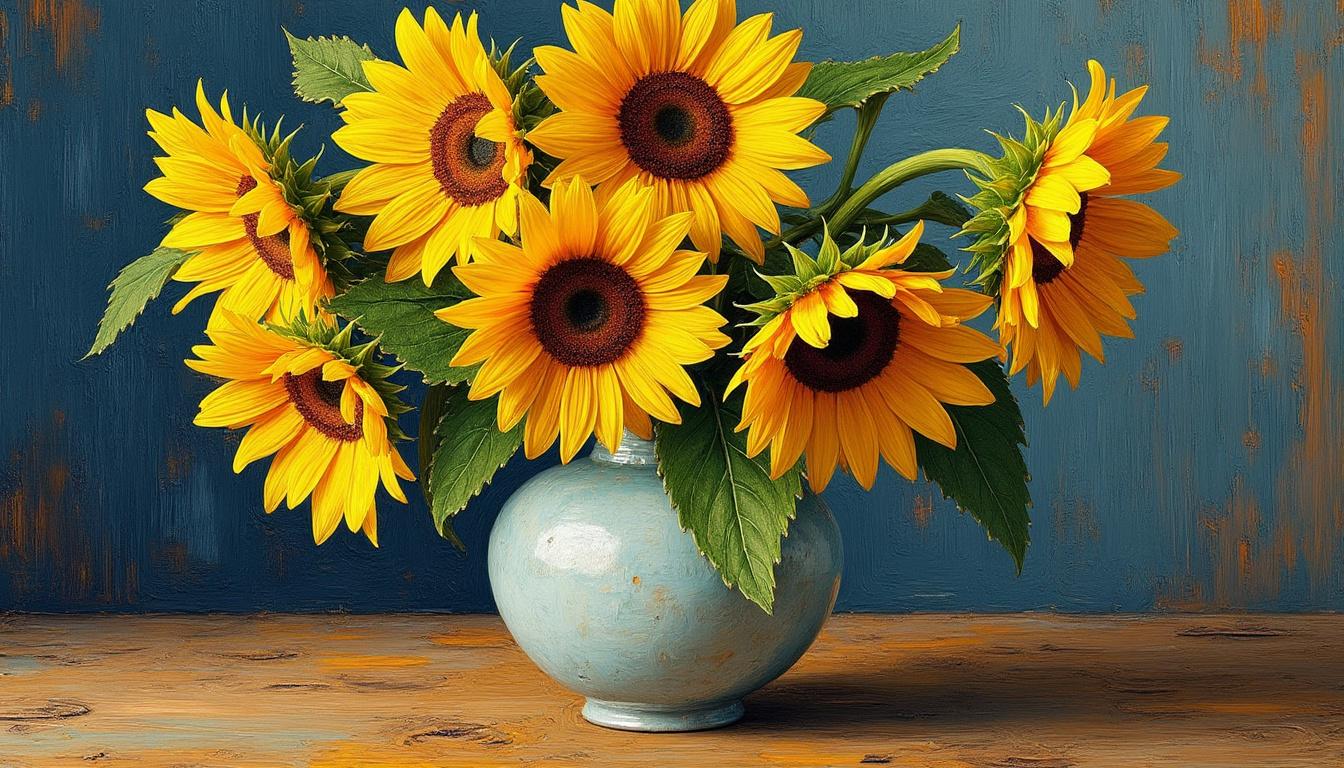
Innovative Painting Techniques That Amplified Yellow’s Impact in Van Gogh’s Work
Van Gogh’s application of yellow also reveals his technical mastery and artistic experimentation. His painting techniques utilized yellow’s intensity and variations to create texture, depth, and luminosity not commonly achieved at the time. Unlike conventional uses of color in Impressionism, Van Gogh incorporated bold, thick brushstrokes with varying yellow hues, producing an almost tactile quality to his canvases.
One notable aspect of his technique was the use of ton-sur-ton or single-color variation within a painting. For instance, studies on Van Gogh’s still lifes, such as fruit paintings, show he painted a spectrum of yellow shades, from pale lemon to deep ochre, creating depth exclusively through manipulating yellow’s subtle changes (source).
This skill allowed Van Gogh to forge complex shadow areas and three-dimensional effects while maintaining overall tonal consistency. Such nuances indicated his experimental departure from traditional shading and perspective rules, an approach that heavily influenced the course of Post-Impressionism and later expressionist techniques.
Moreover, Van Gogh’s strategic inclusion of contrasting colors alongside yellows—such as blues, reds, and greens—served to accentuate yellow’s vibrancy through complementary color theory. The intense yellows in works like The Yellow House or his fields of wheat under the sun become not only visually dominant but symbolically charged, reinforcing themes of vitality and growth.
In practical terms, this approach revolutionized painting by inviting viewers to experience color emotionally and spatially rather than as mere representational decoration.
Table: Key Yellow Hues and Their Effects in Van Gogh’s Paintings 🎨
| Hue 🎨 | Effect on Emotion 🌞 | Example Paintings 🖼️ |
|---|---|---|
| Lemon Yellow | Bright, uplifting, hopeful | Sunflowers, The Yellow House |
| Ochre | Warm, earthy, grounding | Wheat Fields, The Sower |
| Golden Yellow | Radiant, spiritual, intense | Van Gogh’s self-portraits, Cypresses |
Yellow as a Reflection of Van Gogh’s Environment and Mental Health
The prominence of yellow in Van Gogh’s work is closely tied to his environment and psychological condition. When Van Gogh settled in Arles in 1888, the Mediterranean sunlight painted his surroundings with extraordinary clarity and brightness. This physical setting deeply influenced his palette, making yellow the dominant color that portrayed both his external and internal worlds.
Living in a vibrant town known for its warm light, Van Gogh visually immortalized the region’s characteristic glow in his paintings. Yet, yellow also mirrored moments of mental instability. Art historians propose that the intensity and sometimes overwhelming brightness of yellow may reflect Van Gogh’s fluctuating mood and heightened emotional sensitivity.
Particular works during his most tumultuous periods reveal a use of yellow that borders on agitation, with aggressive brushwork and saturated hues. This duality of yellow—as an emblem of life and a marker of psychological struggle—demonstrates Van Gogh’s honest artistic dialogue with his condition.
Understanding this connection offers critical insight into Van Gogh’s legacy. It supports a nuanced appreciation of Post-Impressionist art as not only an exploration of light and color but also as a medium that directly channels mental and emotional states.
Major Factors Behind Van Gogh’s Yellow Palette 🌟
- ☀️ Mediterranean sunlight and local environment
- 🧠 Psychological state and emotional intensity
- 🎨 Symbolism tied to hope, light, and spirituality
- 🖌️ Experimental painting techniques enhancing luminosity
The Enduring Influence of Van Gogh’s Yellow in Art History
Van Gogh’s groundbreaking use of yellow has left a lasting imprint on art history and creative practices. This influence extends well beyond the confines of Post-Impressionism, resonating through Expressionism and modern art movements where color is a fundamental tool for conveying emotion.
His daring application of yellow challenged contemporary standards and opened the door for future artists to use bold, symbolic colors in expressive ways. Modern artists and curators frequently cite Van Gogh’s yellow as a prime example of how color can embody meaning beyond visual appeal.
Institutions like the Van Gogh Museum continue to highlight this aspect in exhibitions, deepening public understanding by contextualizing yellow as an emotional and spiritual symbol. These insights enhance visitor engagement and provide cultural structures with compelling content to elevate visitor experience through modern technological guides such as smart audio tours that illustrate these concepts interactively.
Furthermore, the pedagogical application of Van Gogh’s color theory in art education aids aspiring artists in appreciating the power of color symbolism and technique—critical lessons grounded in very practical observations.
Van Gogh’s legacy exemplifies how technological tools in smart tourism can harness artistic narratives to provide richer cultural mediation, thus bridging historical depth and contemporary engagement.
Applying Van Gogh’s Yellow: Lessons for Modern Visual Storytelling
Beyond historical analysis, Van Gogh’s use of yellow offers actionable insights for contemporary visual storytelling and cultural presentation. For professionals involved in museums, guided tours, and experiential cultural events, understanding the significance of yellow enriches content delivery and audience connection.
Using digital tools to highlight Van Gogh’s deliberate color choices enhances visitor comprehension and emotional response. Audio guides can incorporate explanations of color symbolism and painting techniques, while augmented reality can showcase the yellow hues’ vibrancy and variations in detail.
Moreover, themed tours focusing on Van Gogh’s use of yellow foster deeper engagement by linking color to mood, environment, and psychological context. This approach transforms passive observation into active understanding, crucial in the increasingly competitive tourism and museum sectors.
Strategies to implement these lessons include:
- 📱 Integrating smart audio technology to explain color significance during tours
- 🖼️ Using interactive digital exhibits to display yellow variations in real-time
- 🎧 Offering customizable narrative tracks focused on emotional impact and symbolism
- 👩🏫 Training guides on practical storytelling around color theories and mental health contexts
- 🌐 Collaborating with cultural institutions to develop multi-sensory experiences
These initiatives position content providers to leverage Van Gogh’s impactful use of yellow as a bridge between art history and contemporary audience experience, reinforcing cultural value and accessibility.
Why was yellow Van Gogh’s favorite color?
Yellow symbolized light and hope for Van Gogh, reflecting his desire for positivity amidst his personal struggles and became a key element of his emotional expression in art.
How did Van Gogh’s environment influence his use of yellow?
The bright Mediterranean sunlight in Arles inspired Van Gogh’s dominance of yellow in his palette, capturing the region’s warm atmosphere and influencing his color choices.
What painting techniques did Van Gogh use to highlight yellow?
He used thick brushstrokes, tonal variations within yellow, and complementary color contrasts to enhance depth, luminosity, and emotional impact.
How does Van Gogh’s use of yellow influence modern art and tourism?
His innovative color use shaped subsequent art movements, and modern tourism leverages this narrative through smart audio guides and interactive exhibits to deepen visitor engagement.
Is yellow only symbolic of optimism in Van Gogh’s work?
While often a symbol of hope, yellow also reflects Van Gogh’s psychological struggles and complex emotional states, sometimes depicting agitation and intensity.
