
Peu de temps ? Voici l’essentiel à retenir :
- ✅ Key fact: The Smithsonian’s National Museum of Asian Art is repatriating three ancient bronze sculptures to India after a meticulous provenance investigation established their illegal removal.
- ✅ Innovative approach: Updated contextual displays and long-term loans balance artifact return with continued cultural education at the museum.
- ✅ Best practice: Museums must systematically review collections and cooperate internationally to uphold museum ethics and support art restitution.
Provenance Investigation’s Role in Repatriation of Indian Bronze Sculptures
In recent efforts to address the ethical stewardship of cultural heritage, the Smithsonian’s National Museum of Asian Art (NMAA), located in Washington, DC, embarked on a thorough provenance investigation of several key pieces in its collection. The result has been the repatriation of three significant bronze sculptures to India. These sculptures—two from the Chola period (circa 990 CE and 12th century) and one from the Vijayanagar period (16th century)—demonstrate the intricate craftsmanship of South Indian bronzework and their religious significance as temple artifacts.
The provenance review was prompted by increasingly stringent demands for transparency and ethical accountability by international museums. By examining historical documentation, photographs, and collaborating with India’s Archaeological Survey, museum researchers discovered that the sculptures had been illicitly removed from temples in Tamil Nadu between 1956 and 1959. This discovery underscores how detailed provenance investigations not only protect cultural heritage but also reinforce trust between museums and countries of origin.
The museum’s approach also showcases a practical path forward for other institutions managing objects of contested or unclear histories. The collaboration between the NMAA and Indian authorities highlights the importance of combining archival research with international partnerships. This cooperation, solidified by evidence from the French Institute of Pondicherry’s photo archives, was pivotal in confirming the sculptures’ illegal removal and enabling their eventual return.
Such investigations require substantial resources and expertise, but are essential in upholding museum ethics and maintaining public trust. Moreover, by setting this precedent, the Smithsonian aligns itself with a growing global commitment to address past injustices linked to cultural artifacts.
This methodical assessment is crucial for museums aiming to modernize custodianship practices while balancing public educational missions and restitution demands—a challenge well documented in museum management discussions such as those available on modern museum ethics and decolonization strategies.
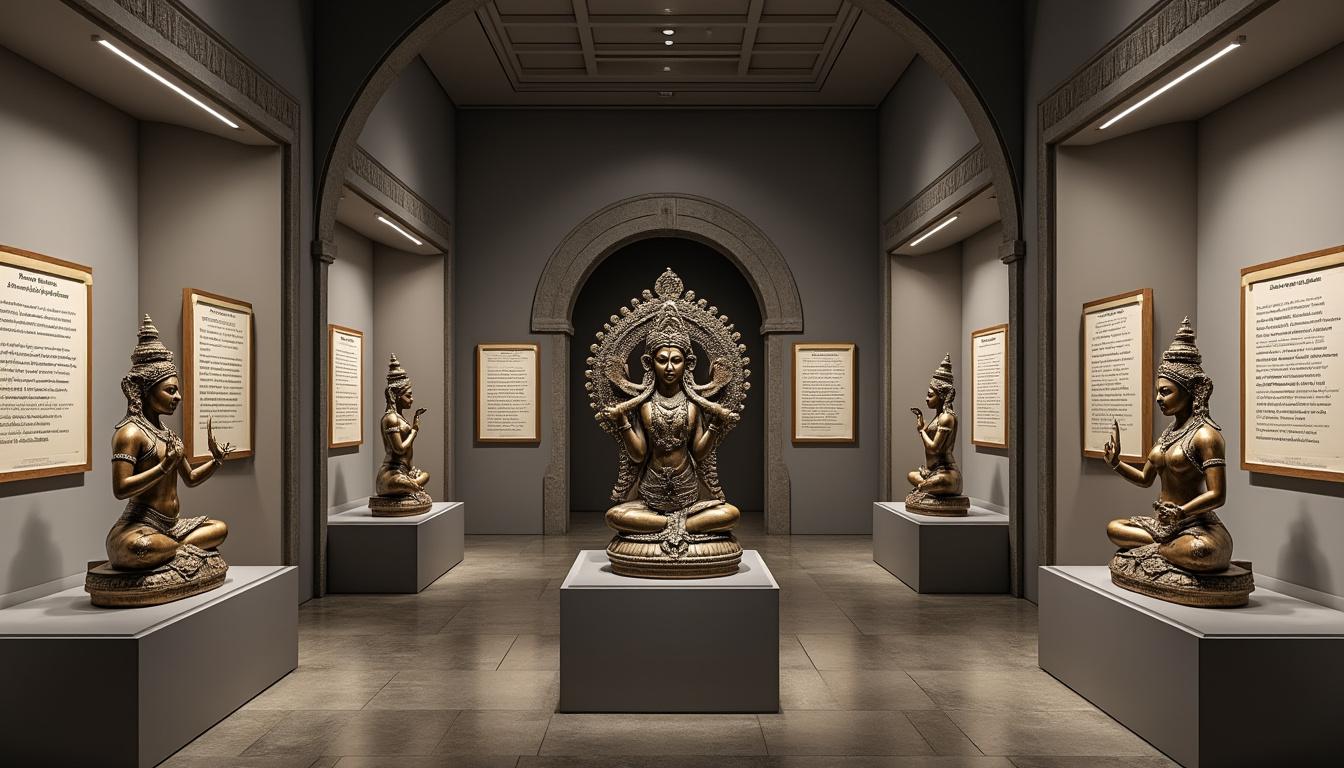
Significance of the Chola and Vijayanagar Bronzes in Indian Cultural Heritage
The three bronzes under repatriation represent some of the finest examples of Tamil Nadu’s historic bronze casting tradition, deeply embedded in Hindu worship and religious processions. The Chola bronzes date from a dynasty renowned for fostering a unique style of bronze artistry marked by naturalistic modeling and dynamic portrayal of deities—qualities that were achieved through the complex lost-wax technique.
The Shiva Nataraja, created around 990 CE, is not simply a sculpture but a sacred symbol encapsulating cycles of cosmic creation, destruction, and preservation. This figure, along with the Somaskanda bronze from the 12th century, represents the devotional art serving both aesthetic and liturgical purposes in temple settings. The 16th-century Saint Sundarar with Paravai from the Vijayanagar era reflects a continuation of religious artistic tradition with stylistic evolution influenced by the political and cultural shifts of its time.
These artifacts embody more than artistic accomplishment. They are vital cultural records of religious practices and regional identity. Their original function involved active participation in temple worship through ritual procession, often physically carried through temple complexes, enhancing their spiritual resonance.
Understanding their context is paramount not only for accurate museum interpretation but also for appreciating the implications of their removal from their communities and sacred functions. Recognition of this culturally embedded significance is a critical aspect for museums and curators committed to authentic representation and ethical display, as discussed in specialist cultural heritage forums.
Challenges in Displaying Returned Artifacts
Post-repatriation, institutions face the challenge of presenting these sculptures in a way that honors their provenance and religious meaning. The Smithsonian has addressed this by arranging a long-term loan of the Shiva Nataraja, ensuring continued public engagement while respecting its cultural origins.
This balance between artifact return and education reflects a broader trend among museums which serve as custodians rather than owners, aligning with international standards on artifact return and cultural diplomacy.
Ethical Dimensions and Global Trends in Museum Artifact Return
The Smithsonian’s decision is a powerful example within an accelerating global movement towards repatriation in museum ethics. Following a thorough provenance check, the repatriation reflects a shift in mindset acknowledging the wrongs associated with colonial-era and illicit acquisitions.
Ethical stewardship today entails rigorous provenance research, transparent collaboration with source countries, and proactive restitution of cultural heritage items. The Smithsonian’s prompt action follows previous returns, such as statues repatriated to Cambodia after investigations into removal during its civil war period, signifying a pattern of institutional accountability.
The proactive stance strengthens trust and fosters cultural diplomacy, illustrating the role museums play beyond mere exhibition spaces—they are mediators of international heritage relations. The Smithsonian’s case reinforces the idea that long-term loans and contextual exhibitions can serve as effective models for ongoing educational use without compromising respect for cultural sovereignty.
| 🗓️ | 🛕 Artifact | 📜 Period | 📍 Origin | 🔍 Provenance Discovery Date | 🔄 Action Taken |
|---|---|---|---|---|---|
| ~990 CE | Shiva Nataraja | Chola | Tamil Nadu, India | 2023 | Returned with long-term loan |
| 12th Century | Somaskanda | Chola | Tamil Nadu, India | 2023 | Returned to India |
| 16th Century | Saint Sundarar with Paravai | Vijayanagar | Tamil Nadu, India | 2023 | Returned to India |
Innovations Supporting Transparent Provenance and Audience Engagement
The Smithsonian’s approach reflects an integration of cutting-edge documentation, technical provenance research, and visitor-centric exhibits. By combining historical photographic archives with modern investigative methods, the museum enhanced its capacity to view artifact histories in full dimensionality.
Additionally, for museums and cultural organizations seeking to implement similar provenance review workflows, tools such as digital databases, AI-driven provenance verification, and collaboration platforms enable more precise and timely research outcomes. This supports enhanced transparency, crucial to modern museum operations.
Technology also plays a role in visitor engagement. Platforms like Grupem’s smart audio guides elevate traditional museum visits by offering contextualized interpretations adapted to the cultural and ethical sensitivities surrounding contested artifacts. This kind of tech innovation creates more informed and mindful visitation experiences, encouraging deeper appreciation of cultural heritage and restitution efforts.
Integrating technology with repatriation efforts improves accessibility and enriches storytelling, making objects’ histories accessible beyond physical displays. For example, interactive apps can highlight the significance of provenance investigation processes, thereby raising public awareness about the ethical dimensions of museum collections.
The Broader Impact of Museum Repatriation on Smart Tourism and Cultural Heritage
Museum repatriation policies resonate strongly within the evolving domain of smart tourism, where innovation and cultural sensitivity intersect. Repatriation fosters partnerships that enrich both source communities and museum audiences, aligning with sustainable tourism principles.
Heat maps from visitation studies reveal that thoughtfully phased artifact returns draw heightened interest in original and host sites. Tourists increasingly seek authentic cultural experiences grounded in respect for cultural ownership. For instance, Indian temple complexes known for bronze art witness increased visitation tied to enhanced cultural narratives enabled by repatriation and scholarship.
Smart tourism platforms benefit from repatriation by promoting culturally responsible itineraries and educational content. Museums embracing restoration of rightful ownership cultivate trust and attract visitors who prefer ethical and enlightening experiences.
- 🎯 Enhanced transparency in provenance investigation instills visitor confidence.
- 🎯 Collaborative repatriation projects strengthen cross-border cultural partnerships.
- 🎯 Augmented reality and audio guides feature narratives highlighting social justice in art.
- 🎯 Ethical stewardship models support sustainable cultural tourism.
What prompted the Smithsonian National Museum of Asian Art to return the Indian bronzes?
After intensive provenance research, it was found that the bronze sculptures had been illegally removed from Tamil Nadu temples in the 1950s, prompting their repatriation to India.
What are the historical periods of the returned sculptures?
The bronzes date primarily from the Chola period (circa 990 CE and 12th century) and the Vijayanagar period (16th century), representing significant eras of South Indian temple art.
How does provenance investigation benefit museums and cultural institutions?
Provenance investigation strengthens museums’ ethical standards, builds public trust, supports international cooperation, and ensures lawful stewardship of cultural heritage.
Will all sculptures be permanently returned to India?
While two sculptures are returned permanently, the prominent Shiva Nataraja is on long-term loan to the Smithsonian to maintain public access and cultural exchange.
How can technology enhance understanding of repatriated artifacts?
Smart audio guides and digital exhibits provide enriched educational contexts, helping visitors appreciate the cultural and ethical significance of repatriation.
