
Peu de temps ? Voici l’essentiel à retenir :
✅ Two prominent railroad museums leverage a high-profile sporting event to boost audience engagement.
✅ The use of social media for friendly competition highlights modern outreach strategies.
✅ Effective cross-promotion in cultural institutions enhances visibility and visitor interest.
✅ Wagers and themed exhibitions tied to major events attract diverse demographics to museums.
How Railroad Museums Capitalize on the Super Bowl to Elevate Their Profiles
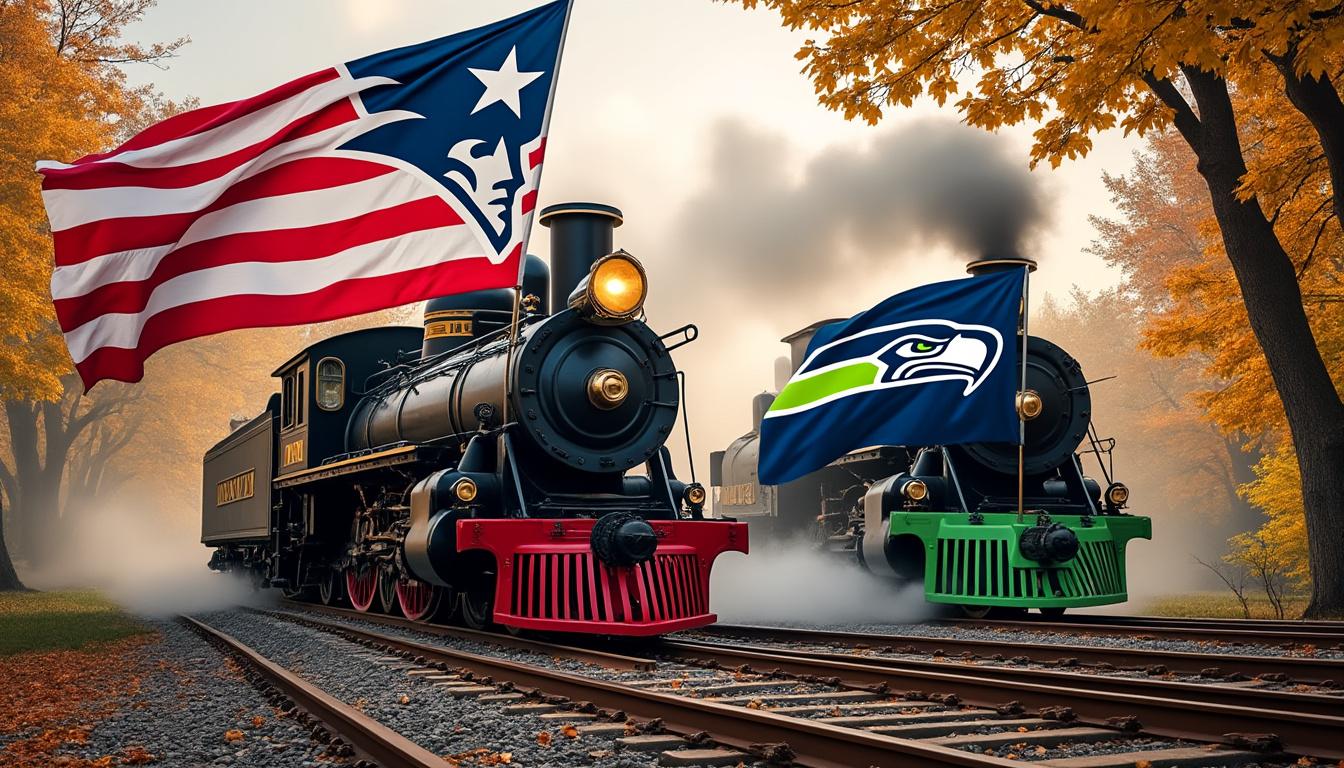
The intersection between sports and cultural heritage may initially seem limited, yet railroad museums have astutely identified occasions like the Super Bowl as prime opportunities to broaden their reach. The 2026 showdown between the New England Patriots and Seattle Seahawks sparked a playful rivalry between Maine’s Wiscasset, Waterville and Farmington Railway Museum (WW&F) and Washington’s Mt. Rainier Scenic Railroad. This rivalry has proven to be a strategic exhibition in itself, reinforcing how museums can utilize high-profile sports events to invigorate visitor interest and engagement.
This wager-driven competition exemplifies how railroad museums can extend their narrative beyond traditional historical displays. By incorporating the excitement and fan enthusiasm surrounding football’s biggest event, the museums generated social media buzz that attracted both longstanding railroad aficionados and casual sports fans alike. The WW&F and Mt. Rainier museums’ social media exchanges—full of humor and train-themed jabs—illustrate effective utilization of digital platforms to boost public interaction.
This approach aligns with contemporary smart tourism methods, which prioritize immersive and interactive experiences. Through themed events and public challenges, museums foster emotional connections and deeper audience participation. For instance, vow-based activations such as agreeing to display opposing team flags on locomotives add a tactile and visual dimension to the wager, creating tangible moments for visitors.
Furthermore, these initiatives embody a modern strategy that merges cultural preservation with entertainment, helping to sustain relevance in a fast-paced digital era. These exhibitions demonstrate an evolution in how railroad museums can transform routine visits into dynamic community events keyed to popular culture. This convergence of sports enthusiasm and traditional railway heritage ultimately strengthens museum visibility and appeal to a broader demographic outside the usual railfan circles.
Integrating sports events into exhibition programming encourages museums to leverage live, timely narratives to captivate visitors. This strategy also illustrates how cultural organizations can benefit from leveraging trending topics for outreach without compromising the authenticity of their collections or mission. The wager between WW&F and Mt. Rainier Scenic Railroad underscores the potential of this model to enrich visitor experiences while fostering camaraderie among institutions across geographic divides.
Social Media as a Tool for Enhancing Railroad Museums Engagement During Sports Events
Social media platforms have become crucial in shaping public perception and outreach for cultural institutions, including railroad museums. The WW&F and Mt. Rainier Scenic Railroad’s digital sparring exemplifies modern audience engagement strategies, highlighting how museums use platforms such as Twitter and Instagram to amplify visibility during major sports events like the Super Bowl.
This form of digital “trash talk,” while playful, provides a consistent stream of content that fuels interest and stimulates dialogue among different audience groups. The WW&F’s quip of sending Mt. Rainier back to “Train-ing camp” and Mt. Rainier’s response branding WW&F as a “toy train” perform humorous brand positioning acts that resonate particularly well with younger, digitally native audiences.
Leveraging this kind of engagement has multiple advantages. First, it promotes ongoing interaction beyond the physical museum space, reinforcing brand recognition on a national scale. Second, it drives real-world visitation as fans of the teams or the rivalry might be motivated to attend the wager-related exhibition or special event days. Third, it offers rich, trackable data on audience demographics and sentiment, which museums can analyze and apply to refine future marketing and programmatic initiatives.
In 2026, with digital experiences entrenched in tourism practice, railroad museums have adopted such digital tools to implement smart tourism principles. Using social media to foster community interaction aligns perfectly with Grupem’s focus on accessible, engaging guided experiences. These efforts demonstrate how cultural institutions can successfully coexist and thrive in a digitally saturated consumer environment.
Beyond promotional benefits, these social media strategies also foster partnerships and collaborative dialogues within the cultural sector. The friendly competition between two geographically distant museums showcases cultural diplomacy, positioning sports events as opportunities to build bridges rather than barriers. This case study serves as a useful reference for museum professionals seeking to integrate social media-driven exhibitions into their repertoires in constructive, audience-enhancing ways.
Operational Implications of Themed Wagers on Locomotives in Railroad Museums
The agreed wager between the WW&F and Mt. Rainier Scenic Railroad entails the display of winning team flags on operating locomotives for a day, an exhibition that carries both logistical and interpretative considerations. Introducing painted or fabric elements onto historic equipment requires careful planning to ensure preservation standards and operational safety remain intact.
Museum professionals must coordinate with conservation experts to choose non-invasive attachment methods that preserve the locomotives’ integrity. For instance, flag mounts need to avoid contact with delicate finishes or moving parts. This fosters a hands-on engagement that is both visible to visitors and respectful of the artifacts. Moreover, operational staff coordinate scheduling and public communications to maximize visitor attendance on the wager display day. Such events also require enhanced visitor services, including guided tours contextualizing the wager and its connection to railroad heritage and cultural traditions.
The work involved underscores the importance of marrying exhibition innovation with preservation ethics, a critical balance in museum operations today. The wager also provides an occasion to educate visitors on railroad history, technical aspects of narrow gauge versus standard gauge tracks, and the role railroads have played in shaping regions represented by the Patriots and Seahawks.
This kind of thematic exhibition invites museums to rethink how dynamic storytelling can be woven into routine operations. Collaboratively, the programs promise richer visitor experiences and increased media coverage—valuable currency in the competitive landscape of cultural tourism. Being able to integrate popular sports narratives without compromising historical accuracy is a testament to skilled museum curation and strategic event management.
Projects like this also offer learning opportunities about audience expectations and operational limits, which can inform future programming to better marry engagement with stewardship. Museums stand to gain not only enhanced visibility but strengthened community ties through these locally resonant, culturally significant exhibitions.
Comparative Analysis of Railroad Museums Leveraging Sports Events for Audience Growth
| 🏆 Museum | 🚂 Primary Railway Type | ⚽ Sports Event Used | 📈 Audience Growth Strategy | 🎯 Outcome |
|---|---|---|---|---|
| Wiscasset, Waterville and Farmington (WW&F) | Narrow gauge heritage line | Super Bowl (Patriots vs. Seahawks) | Social media rivalry & locomotive themed display | Increased social engagement & ticket sales |
| Mt. Rainier Scenic Railroad | Standard & narrow gauge heritage steam | Super Bowl (Patriots vs. Seahawks) | Wager-based promotional campaign | Heightened visitor interest & media coverage |
| National Railroad Museum (Wisconsin) | Mixed heritage and modern exhibits | Hosted football-related transportation exhibit | Targeted exhibition featuring sports logistics history | Engaged diverse visitor profiles |
This comparative overview demonstrates varied methodologies railroad museums use to convert high-profile sports events like the Super Bowl into sustainable audience growth, balancing historical narratives with innovative engagement techniques.
- ⚙️ Incorporate thematic elements visually tied to the sports events for immediate visitor impact
- 📲 Use dynamic social media campaigns centered on rivalry to boost digital presence
- 🚩 Organize interactive wagers or challenges connected to the event’s outcome
- 🎟️ Provide sporting event-related guided tours or educational programs
- 📊 Analyze post-event data to refine future collaborations and promotions
Integrating Smart Tourism Technology in Railroad Museums for Enhanced Visitor Interaction
As cultural venues such as railroad museums embrace modern technologies, incorporating smart tourism tools becomes essential for enriching visitor experiences. The ongoing Super Bowl-themed activities at WW&F and Mt. Rainier provide an excellent context to explore how digital innovation supports engagement during high-profile events.
Mobile applications like Grupem’s platform enable museums to transform smartphones into sophisticated audio guides and interactive tour companions, enhancing contextual understanding without intruding on the visitor’s experience. Implementation of these tools encourages personalized learning pathways, allowing visitors to navigate exhibits with rich multimedia content tailored to specific interests, including sports-themed narratives interwoven with railroad history.
This technological integration not only increases accessibility but also strengthens the interpretive depth of exhibitions. Visitors following the Super Bowl wager challenge or engaging with flag displays can access extended content such as team histories, regional railroad influence on sports infrastructure, and behind-the-scenes narratives of locomotive operations. This digital layering turns a simple wager event into a multidimensional educational journey.
Moreover, these smart technologies align perfectly with best practices in sustainable tourism by reducing reliance on printed materials and offering real-time updates on event schedules or interactive features. They also facilitate data collection on visitor behavior, enabling museums to continually optimize content delivery and engagement tactics.
For railroad museums aiming to stay contemporary and competitive, embracing such audio tech innovations creates a seamless synergy between traditional exhibition methods and modern visitor expectations. It marks a pivotal step in transforming historic spaces into vibrant hubs that captivate diverse audiences beyond core railfans — as seen in the increasing popularity of automobile and transportation museums leveraging similar techniques.
How do railroad museums maintain historical integrity during event-based exhibitions?
Museums ensure preservation by using non-invasive display methods and collaborate with conservation experts when adding temporary thematic elements, ensuring artifacts and locomotives are protected while engaging visitors.
What are the benefits of engaging in social media rivalries tied to sports events?
Such rivalries boost visibility, foster community interaction, attract new visitors, and generate rich data on audience preferences, all while keeping the tone light and entertaining.
How does smart tourism technology enhance railroad museum experiences?
By transforming visitor smartphones into personalized audio guides, smart tourism technology enriches the educational value and convenience, allowing interactive and immersive exploration of exhibitions linked to sports events like the Super Bowl.
Why are wagers effective promotional tools for museums?
Wagers introduce interactive and timely engagement opportunities, encourage repeat visitation during wager celebration days, and stimulate media interest, all contributing to stronger public awareness and attendance.
Can railroad museums attract audiences beyond traditional railfans?
Yes, by integrating culturally significant events such as major sports competitions and using innovative outreach methods, museums can broaden appeal and attract diverse demographic groups.
