
Short on time? Here’s what you need to know:
✅ Discover exceptional European museums that celebrate Women in Art beyond the mainstream.
✅ Explore innovative approaches to experience Female Artists‘ legacies through immersive visits.
✅ Avoid overlooking quieter, yet culturally rich institutions dedicated to Women Artists Recognition.
Unveiling Lesser-Known European Museums That Celebrate Female Artists
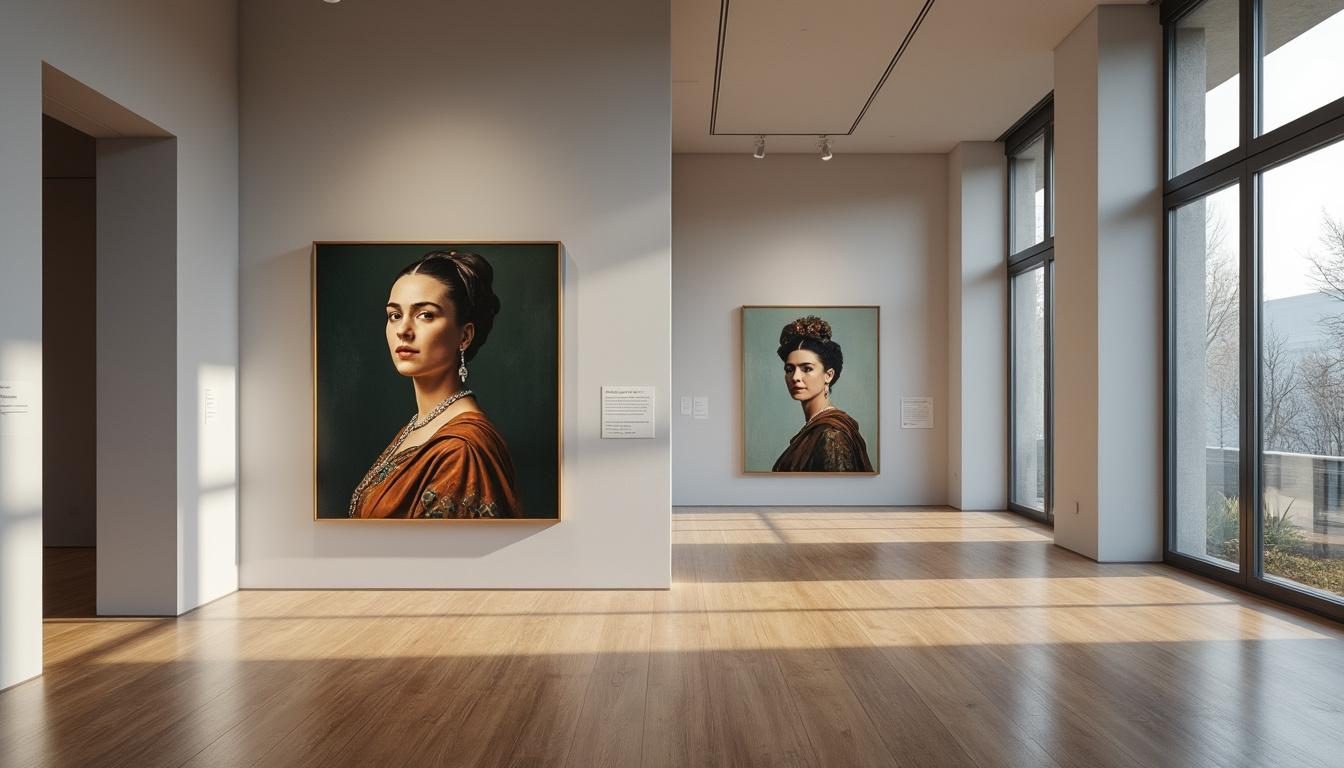
Across Europe, numerous museums focus on honoring influential women in art, ranging from the iconic Frida Kahlo to the boundary-pushing Tracey Emin. While major museums frequently feature temporary exhibits dedicated to female creatives, it is within lesser-known, often intimate institutions that visitors find a deeper, enriched understanding of these artists’ contributions. These venues combine historical significance with fresh interpretive approaches, enhancing the art celebration experience.
Take, for example, the Museum of Female Artists in Mougins, near Cannes, which exclusively showcases works by female creators from the 19th century to contemporary times. It offers visitors a rare glimpse into the breadth of female artistic production, displaying paintings by Berthe Morisot, an early Impressionist, alongside works by Frida Kahlo and Tracey Emin. The quiet atmosphere on less trafficked days, such as a rainy October visit, allows for intimate contemplation especially of abstract art pieces often overlooked in conventional displays.
Similarly, the Käthe Kollwitz Museum in Berlin houses an emotionally powerful collection of prints, sculptures, and posters that reflect Kollwitz’s lifelong commitment to social justice and personal tragedy, bridging art history and political activism. The museum’s location near Berlin’s Kurfürstendamm avenue makes it an accessible cultural stop while also enabling visitors to immerse themselves in Kollwitz’s unique narrative voice. Understanding this context is crucial for a nuanced appreciation of women artists’ cultural heritage.
Key features that set these lesser-known museums apart:
- 🌟 Dedicated exclusively or predominantly to women artists, highlighting underrepresented narratives.
- 🌟 Smaller-scale collections that provide focused, in-depth engagement with individual artists’ works.
- 🌟 Quiet, contemplative environments that differ from the bustling major galleries.
- 🌟 Locations enriched by historical or architectural uniqueness, deepening the cultural experience.
These museums offer a distinct alternative to conventional art touring, ideal for visitors seeking an authentic and reflective connection to women artists recognition.
Immersive Technology and Smart Tourism Enhancing Female Art Exhibitions
Recent advances in smart tourism and audio tech are transforming how visitors engage with collections that celebrate women in art. Museums that honor female artists increasingly implement mobile applications, interactive audio guides, and augmented reality (AR) to offer layered storytelling. These technologies not only facilitate accessibility but also enrich understanding of the historical and cultural context surrounding artworks.
For example, mobile apps powered by platforms like Grupem convert visitors’ smartphones into professional-grade audio guides, seamlessly guiding audiences through exhibitions related to female creatives. Such tools often integrate curated narratives about artists’ lives, social impact, and artistic techniques, bridging gaps left by traditional placards.
Augmented reality experiences can also create immersive encounters, allowing visitors to virtually explore an artist’s studio or witness the creative process behind iconic pieces by female artists such as Tracey Emin’s striking installations or Frida Kahlo’s emotive self-portraits. This approach transforms passive viewing into interactive learning, increasing engagement and retention.
These smart tourism innovations are essential for museums eager to reach younger and more tech-savvy audiences, ensuring historic legacies of women artists resonate in contemporary cultural discourse. Additionally, audio guide technologies streamline visitor flow and reduce congestion, enabling a more comfortable and focused visit—key factors for museums often located within serene, smaller spaces.
Benefits of integrating smart audio and digital guides include:
- 🎧 Enhanced storytelling with multi-language support suited for international visitors.
- 🎧 Personalized tours allowing exploration by themes, periods, or individual artists like Frida Kahlo.
- 🎧 Accessibility accommodations, including audio descriptions for visually impaired audiences.
- 🎧 Data analytics that help museum curators understand visitor engagement and improve future exhibitions.
By adopting cutting-edge tech paired with expert content, these museums can better promote the cultural heritage of female artists through an audience-centered design framework.
Architectural and Historical Contexts Amplifying Women Artists’ Legacies
Many institutions dedicated to female artists benefit from distinctive architectural settings and rich historical backdrops that intensify the visitor experience. These spaces often intertwine the built environment with the narratives of the artists they celebrate, offering a multidimensional cultural exploration.
A remarkable example is Ons’ Lieve Heer op Solder, a secret church museum in Amsterdam nested in the Red Light District. It conceals a clandestine 17th-century Catholic church hidden within a canal house, delivering a tangible sense of historical tension and intimate worship. While not solely dedicated to women’s art, its concealment of marginalized narratives helps frame exhibitions that foreground female creativity and resilience amidst sociopolitical restrictions.
Similarly, the CaixaForum in Barcelona holds exhibitions of female artists within a beautifully restored modernist former mattress factory by Josep Puig i Cadafach. The building’s architectural features—including sweeping curves and natural light—create an atmosphere conducive to quiet contemplation and wonder. This spatial sophistication complements rotating displays focused on contemporary women artists, adding a sensory dimension to the art history on display.
Integrating such compelling settings cultivates a holistic appreciation of female artists‘ contributions by contextualizing them within broader layers of heritage and the built environment. Visitors emerge with enriched perspectives, perceiving artworks not as isolated objects but as part of living, historical dialogues.
How architectural context shapes art appreciation:
| 🏛️ Museum | 🌍 Location | 🏗️ Architectural Significance | 🎨 Art Focus |
|---|---|---|---|
| Museum of Female Artists | Mougins, France | Historic hilltop village setting; intimate gallery space | Women artists from 19th century to present |
| Ons’ Lieve Heer op Solder | Amsterdam, Netherlands | 17th-century hidden Catholic church in canal house | Contextual synergy with marginalized narratives |
| CaixaForum | Barcelona, Spain | Modernist factory conversion with light-filled curving walls | Dynamic contemporary female artist exhibitions |
Curatorial Approaches Highlighting the Diversity of Female Artistic Expression
European museums dedicated to women in art employ innovative curatorial strategies to foreground the multitude of voices within female artistry. These approaches transcend chronological displays, emphasizing thematic, social, and political dimensions that resonate with contemporary audiences.
Curation in institutions such as the Käthe Kollwitz Museum highlights not only the aesthetic quality of the works but also their deeply entwined narratives of loss, activism, and human dignity. Kollwitz’s oeuvre, marked by its poignant social commentary, reveals how female artists have historically used art as a mode of resistance and resilience.
Meanwhile, the Museo Nacional Soares dos Reis in Porto integrates Portuguese painting with Asian artefacts, broadening the interpretive lens and showcasing cross-cultural exchanges that include female perspectives. Such cross-disciplinary inclusion embodies a broader understanding of cultural heritage and women’s roles within it.
These museums often organize rotating exhibitions and educational programs addressing contemporary issues related to gender and creativity. The theme of women artists recognition continues to evolve as institutions uncover lesser-known female voices from art history and the present.
Effective curatorial practices include:
- 🎨 Thematic exhibitions connecting historical and contemporary female artists.
- 🎨 Integration of multimedia elements, including video interviews and digital stories.
- 🎨 Collaboration with living female artists to curate cutting-edge shows.
- 🎨 Focus on intersectional identities, acknowledging ethnicity, class, and political backgrounds.
By documenting and promoting a range of experiences, these museums fulfill a vital role within the broader mission of promoting gender equity in art history and cultural institutions.
Planning Your Visit: Practical Tips for Engaging with Women Artists in European Museums
When preparing to explore lesser-known European museums dedicated to female artists, several practical considerations enhance the visit and ensure meaningful engagement.
Firstly, timings and quiet periods are best for absorbing the works without the distraction of crowds, as these museums often benefit from a calm atmosphere that promotes contemplation. For instance, a visit to the Female Artists Museum in Mougins on a rainy weekday provides an unhurried experience, allowing deeper interaction with the art.
Secondly, leveraging smart tourism tools like customized audio guides or pre-visit app downloads equips visitors with enriched knowledge and navigational ease. This is particularly relevant when accessing smaller venues with limited staff but high curatorial value.
Lastly, exploring nearby cultural and historical sites adds contextual depth. Museums such as Ons’ Lieve Heer op Solder offer a unique opportunity to combine art observation with an appreciation for hidden historical narratives.
Essential tips for your trip:
- 📅 Schedule visits during weekdays or mornings for less crowded environments.
- 📲 Download or rent audio guides from platforms like Grupem to access in-depth artist stories.
- 🗺️ Combine art museums with historical walking tours to maximize cultural heritage immersion.
- 🎟️ Check for special exhibitions focusing on key women artists prior to your visit.
With these measures, visitors can fully appreciate female-centric art spaces while contributing to their ongoing visibility within the tourism and cultural sectors. For more insights into smart cultural engagement, consider exploring Grupem’s guides on innovative museum visits.
Why are lesser-known museums important for Women in Art recognition?
Lesser-known museums often provide dedicated spaces to showcase the work of female artists who have historically been overlooked in mainstream institutions, enabling focused appreciation and deeper understanding of their contributions.
How does smart tourism technology enhance visits to female artist museums?
Smart tourism technologies such as audio guides and AR help contextualize artworks, providing immersive and accessible experiences that increase visitor engagement and education.
Can visiting these museums contribute to promoting gender equity in art history?
Yes, supporting museums dedicated to women artists helps raise awareness and amplifies underrepresented voices, fostering greater gender equity in art institutions and cultural heritage preservation.
What are some recommended museums in Europe focused on female artists?
The Museum of Female Artists in Mougins, the Käthe Kollwitz Museum in Berlin, and the CaixaForum in Barcelona are exemplary institutions showcasing diverse female artistic achievements.
Are there any special events or programs to look out for in these museums?
Many museums host rotating exhibitions, educational workshops, and collaborative shows with contemporary female artists that highlight ongoing developments in women’s contributions to art.
