
Peu de temps ? Voici l’essentiel à retenir :
- ✅ Museums across multiple states, including Texas and Massachusetts, had to close due to severe weather and ongoing federal shutdown impacts.
- ✅ Despite closures in cultural institutions, Broadway theaters in New York remained largely operational, demonstrating resilience in live entertainment amid challenging conditions.
- ✅ Effective integration of smart audio technology can help institutions maintain audience engagement remotely during unexpected closures.
Storm-Induced Closures Impacting Museums in Texas and Massachusetts
The recent severe storm system sweeping from Texas through Massachusetts has caused a significant disruption in the cultural sector, with multiple museums shutting their doors temporarily. This weather event compounded existing challenges faced due to federal government shutdowns, notably affecting federally funded institutions like the Smithsonian museums.
Museums serve as vital hubs of cultural preservation, education, and tourism, and the closures represent a substantial setback for both visitors and administrators. Across Texas, institutions had to rapidly suspend onsite operations to ensure visitor safety and protect valuable collections from the risk of environmental hazards. The same scenario unfolded in various Massachusetts museums, where precautionary closures were necessary amid expected snow accumulations and hazardous travel conditions.
The decision to close these venues was not taken lightly. Museum professionals had to consider both immediate weather-related risks and longer-term operational implications. As institutions gravitated towards prioritizing visitor and staff safety, they also began to explore methods of maintaining audience connections through digital channels. For example, some Texas museums expanded virtual tours and digital exhibitions, a tactic that proved critical in sustaining engagement when physical access was restricted.
These closures highlight an important trend in how environmental emergencies increasingly shape operational strategies within the museum sector. Additionally, the closures occurred amid a federal funding shutdown that paused support for key Smithsonian museums and research centers. The Smithsonian notably announced closures, effective over Sunday and Monday, affecting its twenty-one museums and the National Zoo due to ongoing shutdown impacts. This convergence of weather and political circumstances underscores the fragility of cultural infrastructures in the face of complex crises.
- 🌩️ Weather impact: flood risks, ice, and dangerous road conditions leading to closures.
- 🚫 Shutdown effects: loss of federal funding leading to operational suspensions.
- 🖥️ Digital solutions: increased focus on virtual tours to mitigate visitor absence.
Such closures emphasize the critical need for cultural institutions to develop robust contingency plans incorporating both physical safety measures and digital strategies. Museums from Texas to Massachusetts now face the dual challenge of weather-proofing their operations and navigating political uncertainties impacting their funding and staffing.
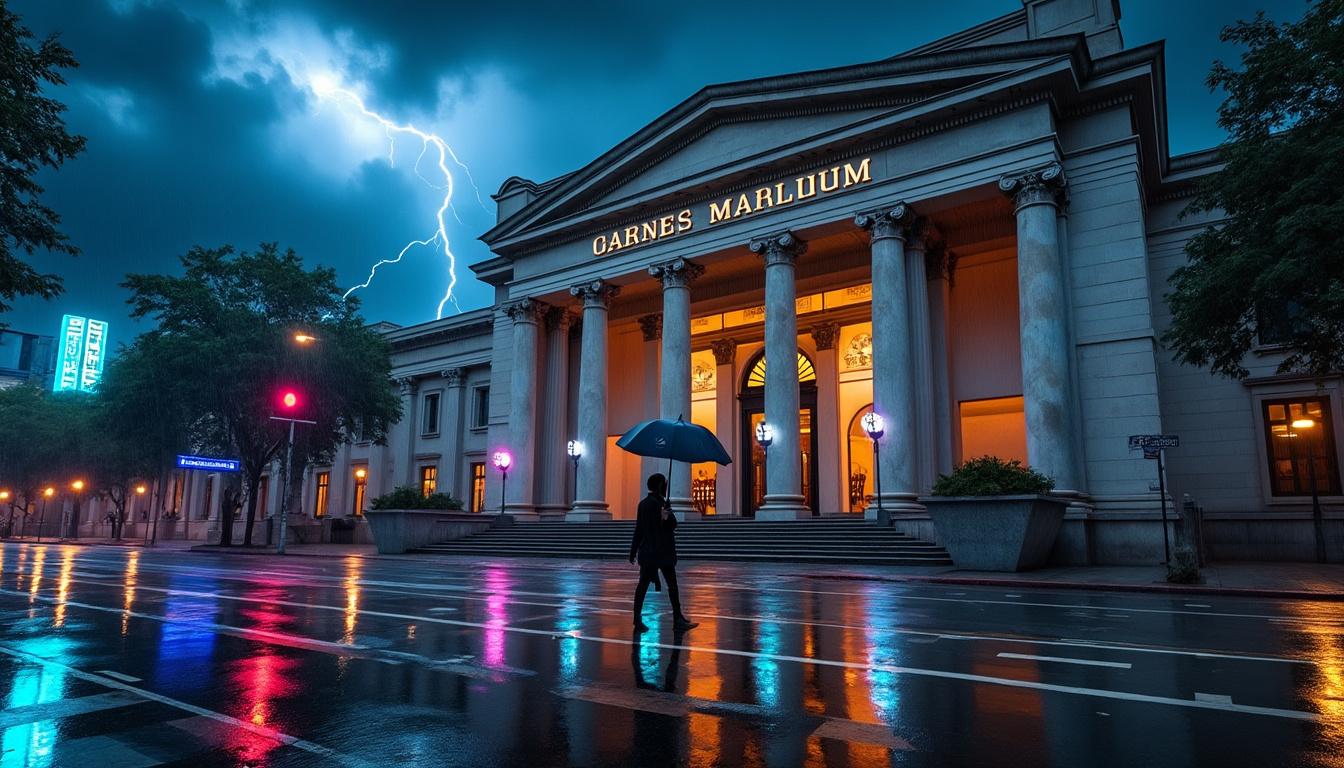
How Broadway Shows Are Defying Weather and Maintaining Entertainment in New York
In contrast to widespread museum closures, New York City’s Broadway theaters continued to keep the spotlight alive during the storm. This resilience is a testament to the entertainment industry’s preparedness and ability to adapt to external disruptions.
Broadway productions are globally renowned for their ability to deliver consistent live entertainment, which demands rigorous operational readiness and audience-focused strategies. Faced with the storm, theaters implemented heightened safety protocols for audiences and performers. Despite hazardous weather, most shows remained open, providing cultural continuity amid challenging circumstances.
This sustained operation involved extensive coordination with city services, transportation providers, and theater staff to ensure audiences could safely access venues. Moreover, theaters employed dynamic ticketing and communication strategies, updating patrons in real time about show statuses and safety guidance. The adaptability visible in Broadway’s response is a model that other cultural sectors might consider adopting.
Maintaining theatrical performances under adverse conditions also capitalizes on the unique live experience that digital formats cannot replicate. Broadway’s perseverance highlights the entertainment sector’s emphasis on audience engagement, even amid external uncertainties.
As local governments and businesses turn to innovative ways to sustain cultural activities during disruptions, theaters have further integrated smart technologies such as advanced audio solutions that enhance live performance experiences. These audio enhancements not only improve audience immersion but also help ensure clear communication in variable settings, a crucial aspect amidst storm-related noise and disruptions.
These practices align with the growing emphasis on smart tourism and technology-driven cultural mediation, enabling a balanced approach between tradition and innovation. The theater sector’s readiness contrasts with vulnerable museum structures, emphasizing the importance of flexibility and technology integration in protecting the cultural economy.
Federal Shutdown Effects on Museums: Operational and Financial Challenges
The federal government shutdown has placed additional strain on museums already grappling with weather-induced closures. The Smithsonian, a key example of federally funded institutions, officially ceased public access to its museums and the National Zoo amid budgetary impasses securing operational funds.
According to detailed reports from news and cultural agencies such as Spectrum Local News and the American Alliance of Museums, shutdowns result in:
- Loss of federal grant-making capabilities.
- Suspension of vital research activities.
- Reduced public engagement due to museum closures.
- Staff furloughs and financial uncertainty affecting long-term sustainability.
The Smithsonian’s closure in New York and Washington as the shutdown drags on illustrates how centralized funding dependency can amplify vulnerabilities. Several smaller institutions across states like Massachusetts and Texas, although not directly federally funded, also experienced cascading operational challenges, as related support systems stalled.
This context creates an urgency for cultural entities to diversify funding sources and invest in technological infrastructures capable of supporting remote access and virtual programming. Smart audio interpretation apps, such as those offered by Grupem, provide venues with tools to offer guided experiences outside physical walls, an increasingly attractive alternative during closures.
Such technological adaptations not only help maintain audience engagement but can serve as new revenue streams through subscription services or event partnerships. Forward-thinking museums may consider adopting AI-driven audio guides that simulate in-person tours, thereby extending reach and resilience in unpredictable operational environments.
| ⚠️ Shutdown Impact | 🎯 Effect on Museums | 💡 Potential Solutions |
|---|---|---|
| Funding Freeze | Reduced operations and closures | Local fundraising & tech-driven remote tours |
| Research Suspension | Delays in conservation projects | Public-private research partnerships |
| Staff Furloughs | Loss of expertise and morale | Cross-training & flexible staffing models |
| Public Access Loss | Reduced visitation & engagement | Advanced virtual programs & smart audio guides |
Successful navigation through such shutdowns will require an intersection of innovation, robust crisis planning, and diversified funding models to protect museums’ future vitality.
Leveraging Smart Audio Technology to Sustain Visitor Engagement During Closures
With physical access to museums restricted by weather and political interruptions, adopting smart audio technology emerges as a valuable solution for maintaining cultural engagement. Intelligent audio tools transform smartphones and other devices into interactive guides, allowing institutions to continue delivering quality visitor experiences remotely.
Platforms like Grupem specialize in providing museums with scalable smart audio solutions that:
- 🎧 Offer high-definition, professionally narrated tours compatible with multiple languages.
- 🌐 Enable real-time interaction and updates, keeping users informed about exhibition changes or closures.
- 📊 Provide analytical data for staff to optimize content and visitor engagement strategies.
These digital guides also contribute to accessibility, accommodating visitors with hearing or visual impairments by integrating features such as adjustable playback speeds and transcript availability. Their deployment during unplanned shutdowns ensures that audiences can access educational content, maintaining cultural exchange and interest despite temporary closures.
For example, during the Smithsonian shutdown and concurrent storm closures, museums could have benefited from expanded use of AI-powered audio guides to keep virtual visitors connected with current exhibitions. Beyond crisis management, these tools facilitate hybrid visit models, blending onsite and remote experiences to broaden reach and adapt to evolving tourism behaviors.
Given the increasing intersection of tourism and technology, smart audio systems represent a strategic asset for museums aiming to future-proof their offerings and enhance visitor satisfaction year-round.
Best Practices for Managing Museum and Theater Operations Amid Weather and Policy Disruptions
Managing cultural venues under unpredictable weather conditions and federal shutdowns demands a comprehensive approach encompassing safety, communication, and innovation.
Developing Comprehensive Contingency Plans
Museums and theaters should craft detailed emergency response plans that account for weather, staffing interruptions, and financial constraints. These should include:
- 🚨 Protocols for immediate closures to protect staff and visitors.
- 📢 Efficient communication channels to relay updates to the public.
- 💻 Integration of virtual platforms for continued public engagement.
Investing in Technology and Training
Equipping institutions with advanced smart audio systems and training staff on their deployment can greatly improve resilience. Training guides and technical personnel both solidify technology uptake and ensure quality control over digital content.
Collaborating with Stakeholders and Community
Cooperation between local authorities, transportation, funding bodies, and cultural organizations creates a support network essential for operational continuity. This collaboration can facilitate access adjustments, emergency funding, and shared digital platforms.
Clear Communication to Maintain Public Trust
By providing transparent, frequent updates about closures and virtual alternatives, institutions can maintain public confidence and continued interest, minimizing reputational damage during downtime.
| ☑️ Best Practice | 🔍 Key Components | 🎯 Expected Benefits |
|---|---|---|
| Contingency Planning | Emergency protocols, closure guidelines | Quick response, safety assurance |
| Technology Investment | Smart audio tools, staff training | Operational resilience, improved visitor experience |
| Stakeholder Collaboration | Local agencies, funding bodies | Resource pooling, coordinated response |
| Communication Strategy | Regular updates, transparency | Public trust, engagement retention |
These combined strategies form a framework for managing cultural institutions through multifaceted challenges, balancing physical safety with ongoing audience interaction.
Why are museums from Texas to Massachusetts closing simultaneously?
The closures result from a combination of a severe storm affecting travel safety and federal shutdown impacts, which have cut operational funding for key institutions, necessitating temporary suspension of public access.
How has Broadway managed to stay open despite the storm?
Broadway theaters implemented enhanced safety measures, coordinated closely with local authorities, and leveraged effective communication to ensure safe access, allowing most shows to continue despite adverse weather.
What role can smart audio technology play during museum closures?
Smart audio technology enables museums to offer remote guided visits, maintaining cultural engagement and educational outreach even when physical venues are closed due to weather or funding issues.
What are the primary challenges faced by museums during federal shutdowns?
Challenges include halted federal funding, research suspension, staff furloughs, and reduced public access, all of which affect operational continuity and visitor engagement.
What best practices help museums and theaters manage unexpected closures?
Institutions benefit from comprehensive contingency plans, investment in digital tools like smart audio guides, stakeholder collaboration, and clear communication strategies to sustain operations and public trust.
