
Twin Cities museums, along with numerous local businesses, are closing their doors this Friday to participate in the ‘ICE-Out’ strike movement, signaling a growing wave of protest against federal immigration enforcement policies affecting Minnesota. This coordinated action highlights the intersection of cultural activism and community solidarity in the face of controversial immigration efforts.
Peu de temps ? Voici l’essentiel à retenir :
- ✅ Twin Cities museums close on Friday to support immigrant communities and protest ICE enforcement.
- ✅ Economic blackout strike includes restaurants, shops, and schools promoting peaceful activism.
- ✅ Solidarity from cultural institutions symbolizes broader social impact of advocacy beyond traditional sectors.
- ✅ Accessible community spaces to reopen promptly, emphasizing ongoing engagement after the strike day.
Twin Cities Museums Closing Doors to Protest ICE Enforcement Policies
Several museums in the Twin Cities have chosen to close their operations this Friday as part of a statewide “economic blackout” strike challenging U.S. Immigration and Customs Enforcement (ICE) policies. This shutdown represents a deliberate stance from cultural institutions, reflecting their increasing role in activism and community engagement. As reported, eight museums alongside numerous local businesses, including coffee shops and restaurants, plan to cease usual activities to underscore their support for immigrant communities facing heightened enforcement efforts.
This form of activism within the cultural sector is significant. Museums, which traditionally serve as spaces of education and reflection, are now harnessing their influence to amplify social justice issues. By closing their doors, these venues create physical and symbolic space for protest and contemplation. For example, the Science Museum of Minnesota publicly announced its closure to allow room for “action, reflection, rest, and safety” — words that convey a multidimensional approach blending culture with community well-being.
Further, the Minnesota Museum of American Art emphasized the importance of recognizing shared humanity, calling it “imperative” during turbulent times. Similarly, the Bakken Museum and the Minnesota Children’s Museum voiced their support for justice, kindness, and dignity by temporarily halting operations. These actions align cultural advocacy with the wider movement of resistance against the federal immigration crackdown.
The strike not only highlights solidarity but also points to the strategic use of museum spaces to influence public opinion and foster awareness. Such closures bring to light the role of museums as active players in societal discourse, extending beyond passive exhibition to proactive civic engagement.
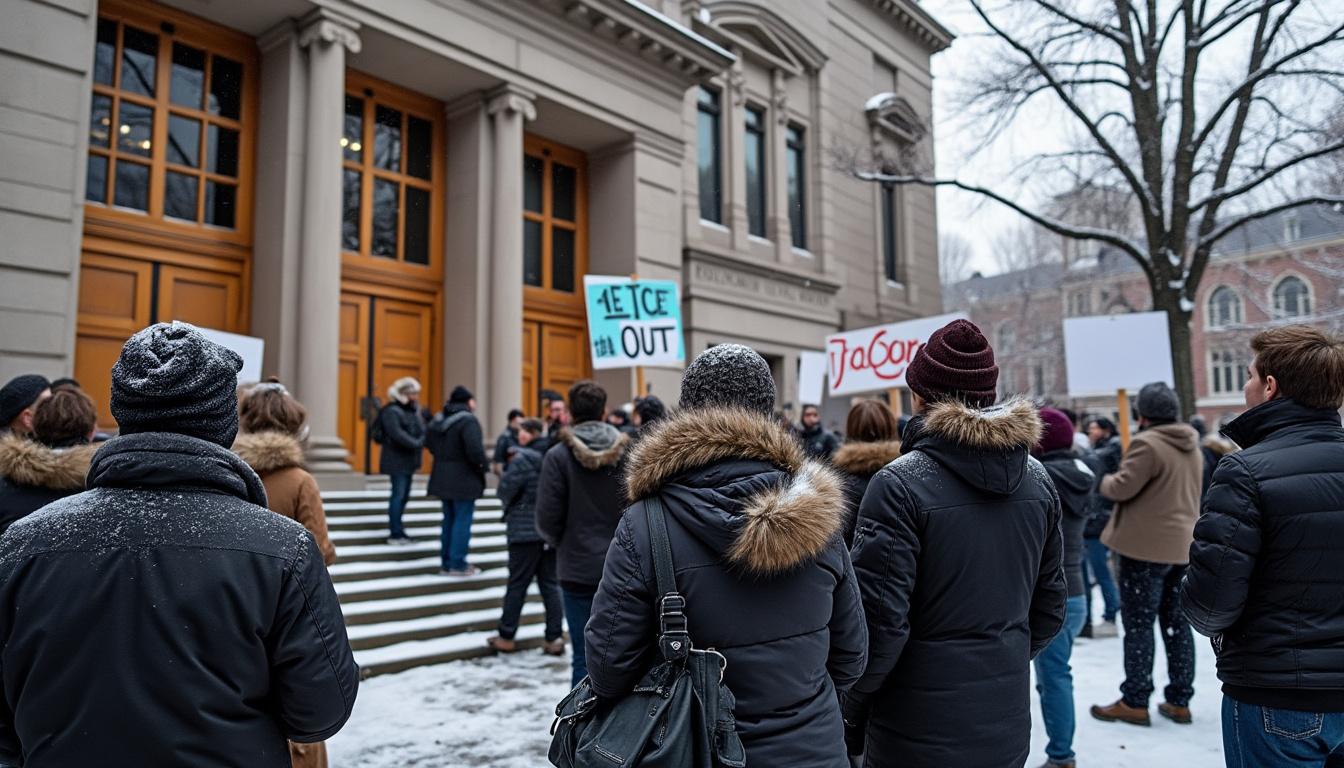
Social and Economic Impact of the ‘ICE-Out’ Strike Movement in Twin Cities
The “ICE-Out” movement in the Twin Cities is more than a symbolic gesture; it represents a substantial economic response reflecting community frustration. Hundreds of local businesses, from restaurants to boutiques and schools, have joined in closing their operations for the day to amplify pressure on policymakers. This coordinated “no work, no school, no shopping” call aims to create an impactful economic blackout, signaling the community’s refusal to continue business as usual amid intensifying immigration enforcement.
Such economic action showcases how civic discontent can translate into measurable market disruption, which, when employed strategically, can be an effective instrument of social change. For instance, the extensive closures across Minneapolis and St. Paul serve as a visible manifestation of collective activism, affecting foot traffic, revenue flow, and broader economic dynamics.
The repercussions of the strike extend to daily life rhythms. Parents, employees, and shoppers participating in the strike shift the urban tempo, emphasizing the weight of solidarity over routine commerce. Moreover, the concerted effort amplifies awareness among wider populations, including those not directly involved in the demonstrations, by visibly altering the metropolitan landscape.
At a governmental level, such economic disturbances move beyond protest marches to exert pressure through tangible interruptions in economic activity. This dual approach of activism and economic resistance reinforces the community’s message, creating a multifaceted form of protest that resonates politically and socially.
Table: Economic and Social Ripple Effects of ICE-Out in Twin Cities 🏙️ 💼
| Sector | Impact | Examples | Community Benefit |
|---|---|---|---|
| Hospitality 🍽️ | Widespread closures | Dozens of restaurants shut nationwide in protest | Raises awareness, supports immigrant workers |
| Education 📚 | Schools closed or paused activities | Teachers unions endorse strike, classes suspended | Emphasizes education as social justice arena |
| Retail 🛍️ | Reduced foot traffic | Local shops close to highlight economic impact | Demonstrates economic agency of community |
| Cultural Institutions 🎨 | Museums and galleries closed | Twin Cities museums like Science Museum, Bakken close | Promotes cultural leadership in activism |
The Role of Cultural Institutions in Advocacy and Community Solidarity
The decision of Twin Cities museums to participate in the ‘ICE-Out’ strike exemplifies how cultural institutions are evolving beyond their traditional mandates. This extension into advocacy creates a model for how museums, often regarded as neutral spaces, incorporate social responsibility into their identities.
For instance, the American Swedish Institute (ASI), with nearly a century of focus on immigration heritage, explicitly expressed its stance by joining the closure. By aligning its historical mission with contemporary activism, ASI leverages its legacy to reinforce the protest’s legitimacy and community resonance.
These cultural venues uniquely facilitate discourse by functioning as safe spaces that facilitate education on immigration and human rights themes. Closing temporarily amplifies their solidarity while preserving their role as nerve centers for community engagement. The Minnesota Children’s Museum articulated this duality by emphasizing joy, inclusion, and togetherness, aligning these values with calls for justice and human dignity.
Crucially, such institutional involvement also mobilizes cultural audiences who might not engage solely through political channels. Visitors, educators, and volunteers connected with these museums become latent allies in advocating for immigrant rights, extending the strike’s reach across diverse demographics.
By shaping how public spaces respond to policy challenges, museums set an example for other entities, including offices, educational centers, and private businesses, encouraging a unified approach to civic participation. This synergy underscores museums’ evolving role as dynamic actors in the contemporary sociopolitical landscape rather than passive repositories of art and history.
Examples of Cultural Activism in Museums Across the U.S.
- 🎨 The Metropolitan Museum of Art’s union strike victory enhanced labor rights and influenced visitor engagement strategies, illuminating how museum staff can advocate simultaneously for fair wages and quality public programming.
- 🎭 Tate Museum’s strike focused on better pay sparked dialogues globally about museum worker conditions, illustrating the power of cultural institutions to drive policy change.
- 🏛️ Museums in Belgium recently showcased artists’ responses to austerity, linking art to resistance movements and community resilience.
- 🔬 Science museums in multiple cities have closed to show solidarity with workers’ rights campaigns, integrating scientific discourse with social justice.
These cases resonate with the Twin Cities’ museums’ stance this Friday, revealing an expanding trend where museums harness visibility and visitor access to bolster activist causes.
Integrating Technology and Communication to Mobilize the Strike and Public Awareness
Modern technologies, especially smart tourism tools and digital communication platforms, have played an instrumental role in organizing and amplifying the ‘ICE-Out’ movement in the Twin Cities. Digital media channels, alongside traditional social networks, provided real-time updates on closures, protest locations, and participation guidelines, facilitating widespread coordination and maximizing impact.
Applications like Grupem, designed for cultural venues and tours, enable institutions to dynamically adjust visitor information and enhance engagement, especially when physical sites close temporarily. Utilizing such platforms ensures that users remain connected to museums’ educational content even during shutdowns, mitigating information gaps and maintaining audience interest.
Moreover, smart audio technologies empower remote audiences and participants by delivering curated content on immigration issues and the history of civic activism linked to local sites. This digital reach complements physical protests by broadening the dialogue beyond immediate geography, fostering informed solidarity.
Effective communication during this strike also involved close collaboration with municipal entities and advocacy groups to ensure coherent messaging and avoid disruptions while maintaining safety. Shared digital infrastructure provided clarity on the strike’s goals and logistics, easing public navigation through affected areas.
Practical Recommendations for Cultural and Tourism Professionals Supporting Activism Movements
For museums, guides, and cultural organizations considering participation or support for activism such as the ‘ICE-Out’ strike, strategic planning is essential to balance mission, visitor service, and advocacy. The following key practices can assist institutions in navigating these complexities effectively:
- 🛠️ Clear Communication: Inform audiences well in advance about closures or modified hours through websites and mobile apps like Grupem.
- 🤝 Community Engagement: Collaborate with local groups to support marginalized populations authentically and respectfully.
- ⚙️ Tech Integration: Use smart audio tours and virtual formats to maintain visitor connection and education during physical closures.
- 📅 Schedule Flexibility: Plan post-strike programming to welcome visitors back with enriched experiences and outreach materials.
- 👥 Staff Wellbeing: Prioritize staff safety and mental health during politically charged events by offering resources and space for dialogue.
Embracing such approaches strengthens cultural institutions’ roles in activism without compromising their core services, ultimately enriching community ties through purpose-driven tourism.
What is the ‘ICE-Out’ strike movement in the Twin Cities?
The ‘ICE-Out’ strike is a coordinated economic and social protest involving museum closures and business shutdowns to oppose federal immigration enforcement activities by ICE in Minnesota.
Why are Twin Cities museums closing on Friday?
Museums are closing to show solidarity with immigrant communities affected by ICE policies, allowing space for reflection and activism during the strike.
How can cultural institutions contribute to social justice movements?
Cultural institutions can leverage their public reach, educational resources, and community standing to support activism, raise awareness, and foster dialogue about social issues.
What role does technology play during museum closures for activism?
Technology, such as apps and smart audio guides, helps maintain visitor engagement, delivers educational content remotely, and facilitates coordination of protests.
How should tourism professionals prepare when supporting strike movements?
Professionals should communicate clearly, partner with communities, integrate digital tools, plan flexible programming, and prioritize staff well-being during activism-related closures.
