
Peu de temps ? Voici l’essentiel à retenir :
- ✅ The new Cadence DSP IP significantly uplifts computing power to support emerging Voice AI capabilities.
- ✅ It integrates seamlessly with next-generation audio technologies important for immersive user experiences.
- ✅ Prioritizing energy efficiency, the DSP reduces power consumption facilitating extended device operations.
- ✅ Real-world applications span from automotive infotainment systems to intelligent voice assistants in smart devices.
How Cadence DSP IP Advances Next-Generation Voice AI Performance
The relentless evolution of voice AI demands processing units that can handle complex algorithms with ultra-low latency and high accuracy. Cadence’s latest Digital Signal Processor (DSP) IP, the Tensilica HiFi iQ DSP, represents a breakthrough in this domain by doubling compute power and multiplying AI inference capability by eight times compared to previous generations. This enhancement is critical because advanced voice recognition systems rely on extensive neural network computations that require substantial computational bandwidth.
By specifically tailoring the architecture for voice AI workloads such as speech recognition, natural language understanding, and voice agent responsiveness, Cadence enables devices to process spoken commands more efficiently. This shift benefits a myriad of use cases, from hands-free control in vehicles and smartphones to interactive smart home devices. For example, in automotive systems, prompt and accurate voice responses can improve driver safety by minimizing distractions.
The DSP IP also integrates AI inferencing directly on the chip, removing the need to offload processing to cloud systems. This reduction in dependency improves response times and privacy, as sensitive audio data need not be transmitted externally. Voice assistants can operate reliably even in low connectivity environments, broadening their applicability in travel and tourism sectors where network availability is inconsistent.
Furthermore, the architecture supports multi-microphone input arrays and sophisticated noise reduction algorithms, enhancing speech clarity in noisy conditions. This is essential for environments like museums, guided tours, or public transport audio announcements where background noise can interfere. It directly aligns with innovations like Scotrail’s AI audio announcements that prioritize clear communication in acoustically challenged venues.
The result is a DSP that not only accelerates voice AI calculations but also elevates user experience through improved responsiveness and reliability. Industry professionals focusing on audio technology or smart tourism applications can leverage this DSP IP to introduce smarter, more natural voice interaction capabilities into their solutions.
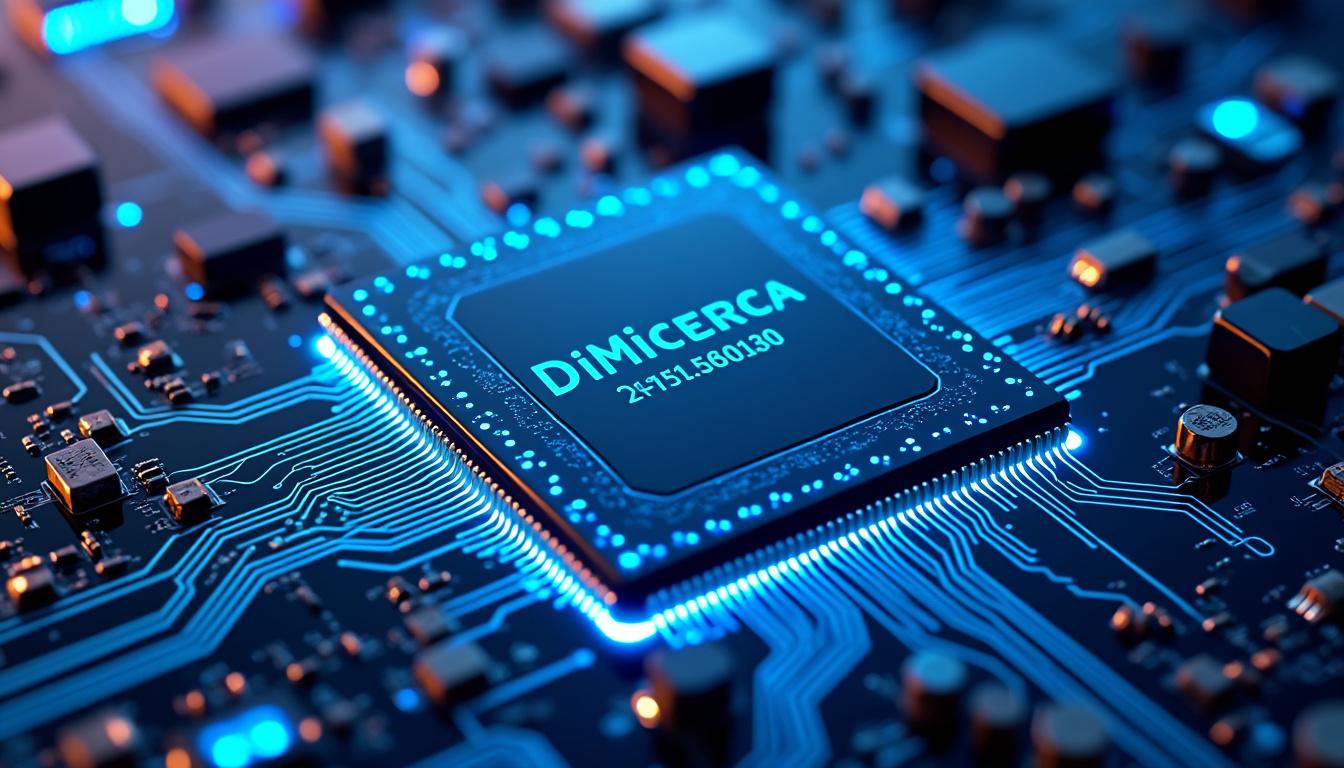
Optimizing Advanced Audio with Cadence’s Next-Generation DSP Architecture
Audio fidelity and immersive soundscapes are critical components of modern multimedia devices and infotainment systems. Cadence’s specialized DSP IP offers tailored support for these next-generation audio applications by delivering enhanced signal processing capabilities specifically designed to refine audio output.
The architecture facilitates complex audio functions such as noise filtering, audio encoding and decoding, and spatial sound rendering. These functions are pivotal in creating realistic acoustic environments, whether in consumer devices like smart speakers or automotive cabins. For instance, sound classification algorithms run natively on the DSP, allowing real-time adaptation to user environments by modifying audio properties dynamically.
By consolidating standard signal processing and AI-driven workloads on a single DSP platform, Cadence reduces the need for separate processors. This consolidation not only simplifies system design but also conserves physical space and energy—two vital factors for battery-powered devices and sleek mobile gadgets.
A valuable illustration comes from automotive infotainment systems, where audio quality dramatically influences passenger comfort and engagement. Integrating Cadence’s DSP with sophisticated echo cancellation and 3D audio positioning elevates in-car audio, which is particularly significant for long-distance travelers and guided tours in smart vehicles.
Moreover, next-generation audio includes immersive formats for VR and AR, fields gaining traction in cultural tourism for interactive exhibitions and multimedia storytelling. High-efficiency DSPs such as Cadence’s enable realistic spatial audio rendering crucial for these applications, enhancing visitor immersion without compromising on power consumption.
For technology integrators or tourism professionals, this DSP IP offers a way to future-proof audio systems by supporting emerging audio codecs and standards, ensuring compatibility and flexibility across diverse multimedia formats.
Table: Key Technical Features of Cadence Tensilica HiFi iQ DSP vs. Previous DSP Generations 🎯🎧
| Feature 🚀 | HiFi 5 DSP (Previous) 🔄 | HiFi iQ DSP (Current) 🌟 |
|---|---|---|
| Compute Performance | Baseline | 2x Improvement |
| AI Inference Speed | Baseline | 8x Acceleration |
| Power Efficiency | Standard | 25% Less Power Consumption |
| Multi-Microphone Support | Limited | Enhanced Native Support |
| Audio Codec Compatibility | Common Standards | Next-Gen Codecs Supported |
Energy Efficiency and Scalability in Semiconductor DSPs for Voice AI
In the development of sophisticated multimedia and voice-capable embedded systems, energy management takes central importance. Cadence’s HiFi iQ DSP substantially reduces power consumption by over 25% compared to previous iterations, an advancement that directly translates to longer battery life and thermal performance improvements in devices ranging from smartphones to automotive infotainment systems.
The innovation lies not only in architectural efficiency but also in optimizing AI processing workloads that are often computationally intensive. By integrating a dedicated AI engine within the DSP, the silicon footprint is minimized, and latency is significantly reduced, enabling scalable deployment across various platforms.
Energy efficiency furthermore supports higher deployment density in mobile and embedded devices, where space and power budgets are constrained. For context, tourism-related handheld guides or voice-activated museum devices benefit from extended operational time without frequent recharging, enhancing visitor satisfaction and operational reliability.
Scalability means this DSP IP can be customized for varied performance profiles, making it suitable from compact IoT voice agents to complex automotive infotainment hubs. This flexibility eases product segmentation and accelerates time-to-market, key competitive advantages in technology sectors.
From a production standpoint, semiconductor companies adopting these DSPs gain a robust foundation to address the combination of audio technology and AI demands in a single silicon solution, simplifying supply chains and minimizing integration overhead. This resonates particularly well with projects involving interactive digital audio guides or dynamic public announcement systems such as those detailed in Scotrail digital announcers.
Integrating Cadence DSP IP in Real-World Applications: Smart Devices and Beyond
The practical adoption of Cadence’s specialized DSP IP spans a wide spectrum of current and emerging applications. In consumer electronics, smart speakers and mobile phones increasingly rely on improved DSP architectures to offer seamless voice assistant integration alongside superior audio playback capabilities.
For the automotive industry, the DSP plays a pivotal role in the development of software-defined vehicles where infotainment and voice AI are core aspects of the user interface. Systems leveraging the Cadence DSP can deliver clear voice communication while processing noise cancellation and immersive audio simultaneously, improving both safety and entertainment.
Moreover, in the context of smart tourism, guided tours evolve by adopting AI-driven voice solutions that enhance visitor engagement without complicating device usage. Applications powered by advanced DSPs can manage multilingual voice agents, real-time noise adaptation, and interactive audio storytelling, significantly enriching the visitor experience. This aligns with innovations available via Scotrail’s voice announcer application, illustrating how DSP technology integrates seamlessly into cultural and public transport contexts.
Examples of implementations extend to interactive museums where specific audio processing capabilities of the Cadence DSP enable spatial soundscapes synchronized with exhibits, providing guests immersive learning environments. Similarly, event organizers and cultural institutions can incorporate AI-driven DSPs to produce crisp public address systems, reducing distortion and echo in large venues.
Overall, the versatility and advanced capabilities of this DSP IP reflect the growing needs of industries focused on integrating complex voice AI functionalities and high-quality audio output with efficient power management.
Key Benefits of Deploying Cadence HiFi iQ DSP for Audio Technology Solutions
Understanding the strategic advantages of Cadence’s latest DSP IP helps guide decision-making for technology implementers looking to stay competitive in advancing audio and AI solutions.
- 🔹 Enhanced Voice AI Processing: Support for cutting-edge speech recognition models improves interaction accuracy and user satisfaction.
- 🔹 Energy Efficiency: Significant reduction in power consumption enables longer use in portable and embedded devices.
- 🔹 Integrated AI and Audio Workloads: Combines classical signal processing with AI acceleration on a unified platform.
- 🔹 Scalability and Flexibility: Adaptable for multiple application domains from automotive to consumer electronics.
- 🔹 Improved Noise Handling: Native multi-mic support facilitates superior speech extraction in challenging acoustic environments.
- 🔹 Support for Next-Gen Audio Formats: Compatibility with emerging codecs future-proofs devices and content.
These capabilities not only address pressing industry demands but also make it easier to design products that elevate user engagement through superior auditory experiences, a critical factor in sectors such as cultural tourism and entertainment.
What sets Cadence’s HiFi iQ DSP apart from previous DSPs?
It offers 2X compute performance, 8X AI acceleration, and over 25% energy savings, designed specifically for voice AI and next-gen audio applications.
How does this DSP improve voice recognition accuracy?
It supports complex neural network workloads with low-latency on-device AI inference and multi-microphone noise reduction techniques.
Can this DSP IP be customized?
Yes, it’s scalable and adaptable to different performance and power requirements, suitable for a wide range of devices from IoT agents to automotive systems.
What industries benefit most from this DSP IP?
Automotive, consumer electronics, smart tourism, cultural institutions, and any sector requiring advanced voice AI and immersive audio.
Where can I find more information about integrating DSPs in tourism applications?
Explore practical implementations such as the Scotrail AI announcements and voice announcer for detailed case studies.
