
Peu de temps ? Voici l’essentiel à retenir :
✅ The Science Museum of Western Virginia is scheduled to leave Center in the Square by the end of 2026 due to lease expiration.
✅ This relocation impacts the cultural venue and community engagement downtown but opens opportunities for new educational site developments.
✅ Key challenges include maintaining community access to exhibits and sustaining economic contributions downtown, while avoiding disruption in educational programming.
✅ Bonus: Insights on adapting museum outreach through technology and innovative partnerships during facility moves.
Implications of the Science Museum’s Departure from Center in the Square on Community and Cultural Engagement
The planned departure of the Science Museum of Western Virginia from its longstanding location within Center in the Square marks a pivotal change for the Roanoke community. Having occupied the fourth and fifth floors for over four decades, this educational site has played a significant role in offering interactive exhibits and hands-on learning experiences that cater to families, students, and science enthusiasts alike. The museum’s upcoming relocation, prompted by the lease reaching its end on December 31st, 2026, invites both reflection on its impact and anticipation of new opportunities.
Center in the Square, as a private nonprofit organization, has historically aimed to bolster local economic development by providing rent-free space to nonprofit tenants that enrich the cultural and educational landscape of Roanoke. The Science Museum’s role as a tenant has been vital in drawing visitors to the downtown area, contributing not only to the economic vitality of the city but enhancing its identity as a hub for cultural venues. The departure raises concerns over how the community will continue to access crucial science exhibits and educational programs previously centralized in this location.
Community responses, as captured by local news outlets such as WFXR, highlight the personal and educational connections forged through decades of engagement. For many, the museum is more than a building; it is an institution intertwined with childhood memories and educational milestones. Recognizing this, both entities have expressed optimism about future directions. Center in the Square intends to redevelop the vacated floors with a renewed focus on creating interactive and educational environments that sustain visitor engagement downtown.
Despite the challenges of transitioning away from a familiar facility, the Science Museum’s relocation offers the potential to reimagine its outreach methodologies. Drawing from innovations in smart tourism and interactive audio technologies, there is room for evolving exhibit models that extend beyond physical location constraints. For example, mobile guides enhanced with intelligent audio systems can facilitate self-directed learning experiences throughout new venues or outreach sites, maintaining a high level of engagement and accessibility.
The departure also intersects with economic considerations; Center in the Square manages annual expenses exceeding $3.4 million to maintain historic buildings and support nonprofit tenants. The loss of a major tenant like the Science Museum affects the financial ecosystem, potentially impacting funding arguments that rely on the economic activity generated by tenant presence. This scenario underscores the importance of sustainable planning in cultural venue management to balance facility maintenance with tenant participation in community missions.
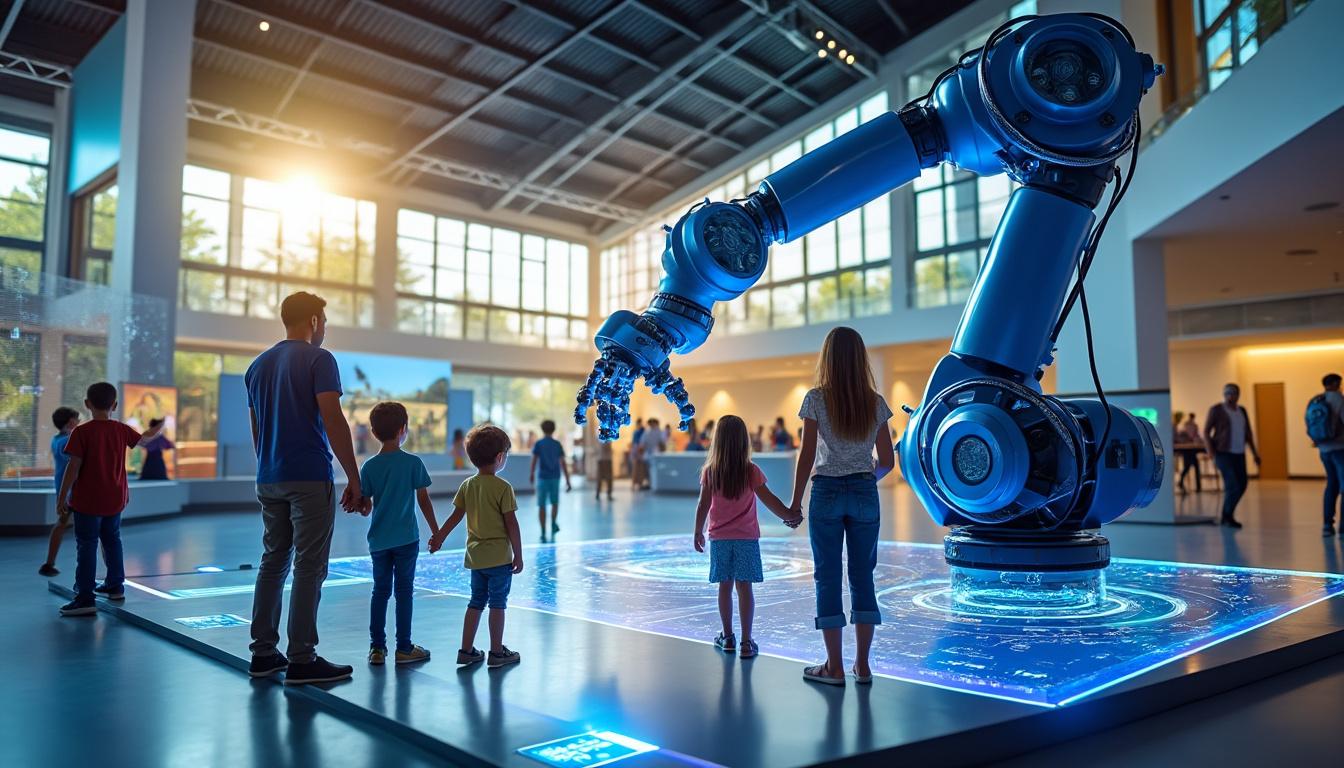
Strategic Considerations and Facility Move Challenges for Museums
Relocation of a major educational institution such as the Science Museum involves multifaceted strategic planning. The complexity extends from logistical coordination of moving delicate exhibits, like the planetarium equipment, to ensuring continuity of educational programming during and after the transition.
One major concern is the preservation and transport of sensitive scientific apparatus and exhibit components. For example, the planetarium, a key attraction within the current Science Museum setup, demands specialized handling and infrastructure for reinstallation at the new site. These logistical hurdles necessitate collaboration with expert movers and technical consultants experienced in museum facility moves.
Beyond physical relocation, strategic decisions encompass maintaining audience engagement throughout the transition period. Temporary closures or limited access could result in diminished visitor numbers, which impacts both revenue and community connection. Innovative solutions such as mobile exhibits, pop-up educational events, or virtual engagement platforms can help bridge gaps and sustain public interest.
Additionally, relocation offers an opportunity for the Science Museum to critically reassess its spatial layout and exhibit design. Modern museum planning emphasizes flexibility, accessibility, and integration of cutting-edge technology to enhance visitor experience. Forward-thinking institutions incorporate smart audio guides, interactive digital displays, and adaptive spaces that cater to diverse audiences including schools, families, and special needs groups.
From an operational standpoint, the Science Museum’s leadership must balance the costs associated with constructing or outfitting a new facility with potential increases in accessibility and programmatic impact. Building partnerships with local government, educational institutions, and technology providers can leverage resources and expertise beneficial for the transition.
Center in the Square’s plan to reclaim space involves introducing new tenants or initiatives aligned with their mission to invigorate downtown Roanoke’s cultural life. Transparent communication and collaboration between both organizations will be vital to minimize disruption and uncover synergistic opportunities during this transitional phase.
Economic Impact of Museum Relocation on Downtown Roanoke and Funding Dynamics
The Science Museum’s departure from Center in the Square will undeniably influence economic patterns related to tourism, local business, and cultural funding streams. For over 40 years, its presence downtown has energized foot traffic, generated indirect spending at nearby establishments, and contributed to the city’s appeal as a destination for families and educators.
According to statements from Center in the Square’s administration, maintaining financial health amid changing tenant profiles requires sustained community backing and innovative revenue generation. The nonprofit’s business model revolves around providing rent-free space to enhance the cultural quality of life in Western and Central Virginia, fostering economic development regionally.
With operational expenses approximating $3.4 million annually, Center in the Square faces the challenge of compensating for the loss of a key tenant whose ability to attract visitors supports the funding rationale for public and private investment alike. This has stirred questions about future funding allocation, as discussed in The Vibe FM and analyzed by other local media.
The museum’s departure may recalibrate the economic landscape of downtown Roanoke, urging stakeholders to explore alternative cultural or educational ventures that can sustain visitor numbers and funding flows. Creative reuse of vacated spaces with engaging new exhibits or events could help retain the area’s vitality.
Moreover, this transition highlights the intricate balance cultural institutions must maintain between philanthropic support, government funding, and earned income. Museums today increasingly diversify revenue streams through partnerships, digital engagement, and merchandise sales, thus mitigating dependence on a single funding source.
Table: Economic Contributions and Impact Factors of the Science Museum Departure 📊
| Aspect 🏛️ | Current Status Before Departure | Post-Relocation Impact | Opportunity for Innovation 💡 |
|---|---|---|---|
| Visitor Foot Traffic 🚶♂️ | High; draws diverse demographics downtown | Potential short-term decline, mitigation needed | Virtual tours and augmented reality exhibits |
| Local Business Support 🛍️ | Strong patronage around museum area | Business downturn risk during transition | Collaborative events with retailers |
| Funding & Grants 💰 | Leverages public and private funds | Requires strategy for grant renewal | Diversify income with digital content |
| Community Outreach 📚 | Robust educational programming | Risk of program disruption | Mobile and audio guided tours via apps |
Leveraging Technology and Innovation to Maintain Museum Engagement Through Transition
In the face of relocation, the Science Museum is positioned to harness innovative technologies to preserve and even expand its role as a cultural and educational leader. Mobile technology, smart audio systems, and virtual reality provide pathways for continued engagement beyond physical confines.
With Grupem’s expertise in smart tourism and audio tech, museums can transform smartphones into professional-grade audio guides that enable autonomous visitor journeys adapted for any location. These tools enhance accessibility and provide layered narratives that complement exhibits whether on-site, temporary, or remote.
For instance, deploying an intelligent audio guide can alleviate the challenge of diminished access during a facility move by maintaining educational programming in community centers, schools, or pop-up venues. Interactive digital content, synced with audio narration, can replicate some physical exhibit benefits while offering enriched multimedia experiences.
Furthermore, embracing innovative display technologies during the move to a new facility—such as adaptive lighting, multisensory installations, and AR-enhanced exhibits—can elevate visitor experience and broaden audience reach. Such approaches underline the growing importance of integrating technology with traditional museum curation to remain relevant in 2026 and beyond.
These technological advances also promote inclusivity, allowing visitors with various needs or language proficiencies to access content effectively, reflecting progressive values in museum management. As relocation prompts rethinking of spatial design, embedding these tools early ensures a more adaptable and future-proof institution.
Practical Steps and Best Practices for Museums During a Relocation Process
After 42 years of cohabitation, the Science Museum and Center in the Square face an era of transformation. Effective management of this transition requires strategic focus to minimize disruption and capitalize on new possibilities. Several best practices emerge from this case that museums and cultural venues can adopt when planning a facility move:
- 🛠️ Comprehensive Inventory and Condition Assessment: Document all exhibits and technical equipment, prioritizing items requiring special care.
- 📦 Engage Specialized Moving Professionals: Use experts experienced with sensitive museum artifacts to ensure safe transport.
- 🗓️ Phased Transition Planning: Develop detailed timelines that allow gradual relocation to sustain programming and staffing continuity.
- 📢 Proactive Communication: Keep the public, stakeholders, and funding bodies informed about timelines, challenges, and progress.
- 📱 Leverage Technology: Implement mobile audio guides and virtual tours to maintain engagement during physical closures or limited access.
- 🤝 Collaborative Community Outreach: Partner with schools, libraries, and other cultural organizations to spread educational activities beyond the museum walls.
- 💡 Reimagine Exhibit Design: Use the opportunity to update and innovate exhibits for greater impact and accessibility.
Adopting these practices enhances operational efficiency, visitor satisfaction, and long-term sustainability during a complex facility move, emphasizing adaptability and stakeholder engagement as key success factors.
For museum professionals seeking insights on similar transitions, Grupem provides resources such as articles on museum closures and relocations and case studies like the handling of rare artifacts during moves. These exemplify how technology and planning combine to safeguard cultural heritage during times of change.
Why is the Science Museum leaving Center in the Square?
The Science Museum’s lease at Center in the Square expires at the end of 2026, prompting its search for a new location to continue its mission of educational outreach and exhibits.
What challenges arise from relocating a museum facility?
Challenges include safely moving delicate exhibits, maintaining audience engagement, and managing financial impacts, all while ensuring continuity of educational programs.
How can technology support museum transitions?
Smart audio guides, virtual tours, and interactive digital exhibits help sustain visitor engagement and educational programming during relocations or closures.
What economic effects does the museum’s move have on downtown Roanoke?
The move may reduce foot traffic temporarily and affect local businesses dependent on visitor spending, prompting the need for innovative strategies to retain cultural vibrancy.
How can museums prepare effectively for a relocation?
Effective preparation includes detailed inventory, specialized movers, phased planning, proactive communication, technology use, and strong community partnerships to minimize disruption.
