
Peu de temps ? Voici l’essentiel à retenir :
✅ Prominent artists actively speak out against the closure and relocation of Belgium’s oldest contemporary art museum.
✅ The proposed reforms by the Flemish government include transferring M HKA’s collection to Ghent’s SMAK, sparking widespread protest from the art community.
✅ Experts warn against the loss of Antwerp’s avant-garde cultural heritage and criticize the potential operational inefficiencies of dismantling the museum.
Why Artists Speak Out: Protecting Belgium’s Oldest Contemporary Art Museum from Closure
In early 2026, the cultural sector in Belgium faced a critical challenge when the Flemish government announced plans that would see the closure of Antwerp’s Museum of Contemporary Art (M HKA), founded in 1985. Recognized as the country’s oldest institution solely dedicated to contemporary art, M HKA has built a reputation as a key node in Belgium and Europe’s cultural landscape. The proposed reform aims to transfer its valuable collection— totalling approximately 8,000 artworks— to Ghent’s Municipal Museum of Contemporary Art (SMAK), transforming M HKA into a mere exhibition space rather than a fully operational museum.
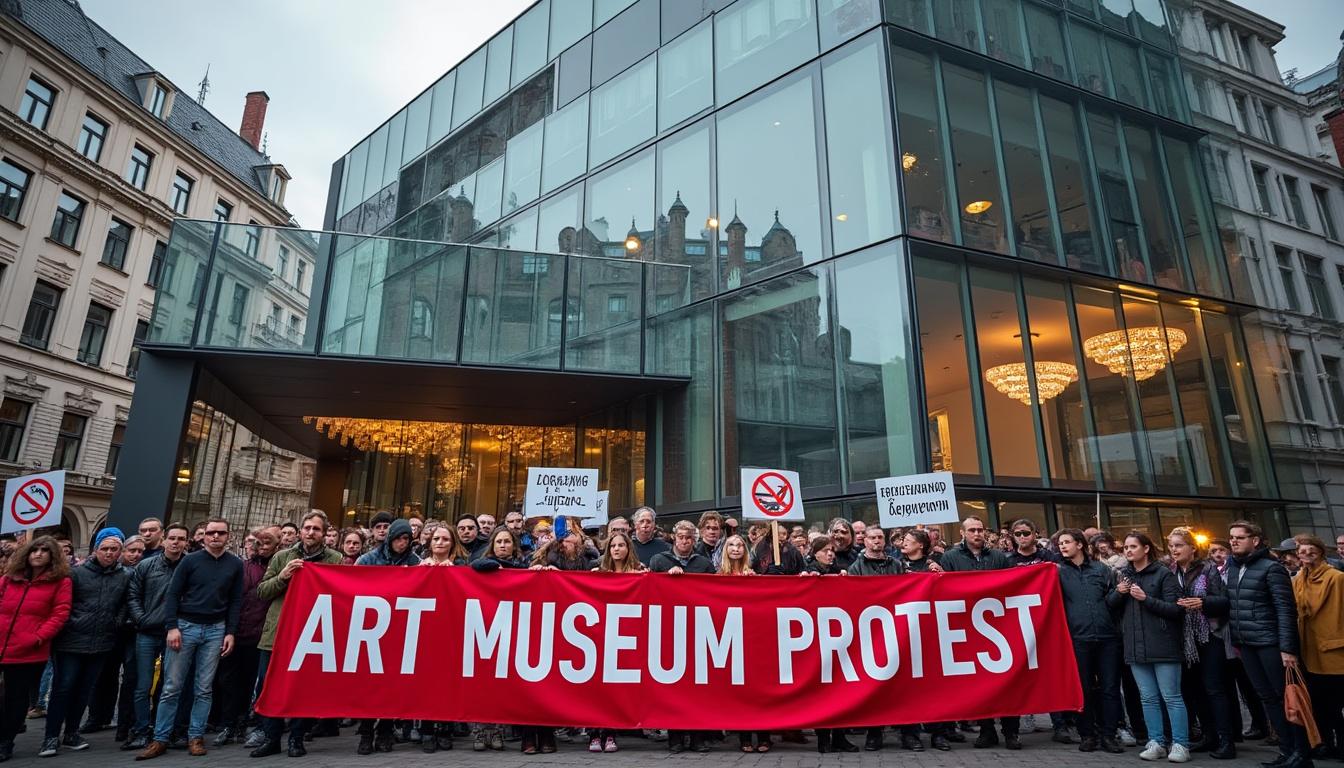
This plan has ignited strong opposition from renowned artists, curators, and cultural advocates, who view the move as an “arbitrary reshaping” that jeopardizes the integrity and legacy of Belgium’s avant-garde art. Luc Tuymans, a leading figure in contemporary Belgian art, has publicly condemned the decision, stating that “to degrade a museum to an arts centre is simply insane.” His statement underlines the concern that relocating the collection to Ghent disrupts the unique ecosystem cultivated by M HKA in Antwerp, an ecosystem where local context, audience engagement, and artistic discourse thrive in tandem.
The protest by artists is not only a defense of the institution but also a plea to acknowledge the importance of cultural heritage in urban identity. Antwerp, Belgium’s most populous city, has a historic connection to innovation and contemporary art. Dismantling its museum threatens to erode a crucial platform for artistic exchange and public education.
Simultaneously, international artists represented in the collection such as Anish Kapoor and Marina Abramović have joined in the outcry. Kapoor specifically conveyed to the Culture Ministry his refusal to allow his works to be “put at risk” through this institutional reorganization, reflecting wider concerns about preservation and curatorial integrity.
These protests have been widely covered, including analyses on museum organizations voicing concern over the Flemish government’s decision, and ongoing debates on whether the cuts truly represent sustainable cultural management or shortsighted cost-saving measures.
Understanding the Cultural Impact: Why Closing M HKA Matters for Contemporary Art in Belgium
The closure of M HKA does not merely signify the loss of a building or institution; it represents a profound shift in how contemporary art is nurtured, exhibited, and contextualized in Belgium. For over four decades, the museum has been at the forefront of championing avant-garde and experimental art, fostering an environment where emerging artists and established figures have intersected.
The transfer of M HKA’s collection to SMAK in Ghent is framed by Flanders’ cultural policy as a “streamlined” approach meant to consolidate resources across the region’s numerous art institutions. The government’s cultural minister, Caroline Gennez, highlighted budgetary pressures in the context of Belgium’s considerable deficit, which stands at 5.4% of GDP—the highest in the eurozone. Such austerity has pushed the administration towards rethinking public expenditure on cultural institutions.
However, critics argue that the reorganization could fragment the experience for visitors and diminish Antwerp’s role as a cultural innovator. Unlike SMAK, which focuses heavily on modern art, M HKA’s identity rests on contemporary, experimental, and cross-disciplinary practices that require dedicated institutional frameworks and community engagement.
Moreover, the relocation threatens to sever established relationships with local audiences and artists, undermining the museum’s educational initiatives and public programming. Indeed, Antwerp’s avant-garde ethos has historically attracted not only tourists but also inspired local creative economies, from galleries to festivals.
Experts question whether anticipated cost savings will materialize. According to the financial inspectorate, while operating costs might reduce from roughly €8 million to €5 million, M HKA would incur additional expenses borrowing works or sourcing exhibitions to maintain relevance, potentially negating savings. Also, SMAK currently lacks sufficient space to accommodate the new collection effectively, necessitating further investment.
This scenario highlights a misalignment between budgetary goals and sustainable cultural policy designed to nurture artistic vitality and public engagement, rather than merely cutting operational expenses.
Key considerations for cultural policymakers:
- 🔍 Maintaining museum identity and mission within reform efforts
- 🎨 Preserving artist relationships and collection integrity
- 💡 Assessing long-term impact on visitor experience and engagement
- 📉 Balancing budget constraints with cultural value
- 🏛️ Investing in infrastructure to handle expanded collections
Protest Movements and the Role of the Art Community in Preserving Cultural Heritage
The announcement to close M HKA triggered swift and organized protest movements, encompassing local artists, museum professionals, and cultural organizations. Their unified message underscores the necessity of preserving artistic institutions that safeguard cultural heritage and foster contemporary discourse.
Professional entities, such as those documented in reportings like museum professionals’ protests, articulate concerns over both the legality and the strategic implications of the government’s plans. They emphasize that the transparency and community consultation required for such major institutional reforms have been insufficient.
The discussions taking place within the Belgian parliament, intended originally for late January 2026, reflect increasing pressure from cultural advocates who champion a more inclusive, well-rounded approach to arts funding.
Notably, the movement has rallied digital support through campaigns and social media advocacy, illustrating how contemporary tools are used to mobilize awareness and foster public discourse. This digital mobilization reflects an intersection between the cultural sector and smart communication technologies—domains where platforms like Grupem provide innovative solutions to improve cultural accessibility and engagement.
By facilitating richer visitor experiences with mobile guides and audio technologies, innovations like Grupem align with broader goals of modernizing cultural institutions without compromising their core identity. For stakeholders in tourism and museum management, the controversy surrounding M HKA offers a crucial case study in balancing financial constraint and cultural vitality.
The Challenges and Opportunities of Museum Closures: Lessons from Global Contexts
Belgium’s case echoes a global trend where financial pressures compel institutions to undergo significant restructuring or closure. The cultural sector worldwide continues to face cuts, requiring careful navigation between budget realities and the imperatives of cultural preservation.
For instance, museum closures such as those documented in other global contexts demonstrate that while consolidation can bring operational efficiencies, it often entails loss of identity, reduced accessibility for local communities, and disruption in artistic development.
Conversely, some institutions seize closure or mergers as an opportunity for innovation, adopting technology to bridge gaps. Digitization of collections and enhanced visitor engagement through apps and audio guides highlight how technology can offset some negative effects of physical consolidation.
The M HKA controversy serves as a reminder that any reform must integrate these lessons. Deploying digital solutions to maintain visitor access and education is vital but cannot replace the nuanced, place-based ecosystem of a thriving contemporary art museum rooted in its city.
Essential components for successful museum reform include:
- 🌐 Leveraging digital tools to extend access and engagement
- 🏛 Balancing physical presence with virtual experiences
- 🤝 Ensuring artist, community, and government collaboration
- 📊 Evaluating financial impacts holistically, beyond immediate savings
- 🚀 Encouraging innovation without losing institutional heritage
Financial Realities Behind the Flemish Government’s Decision and Its Consequences
The Flemish government’s justification for closing M HKA centers around drastically reducing public spending in the arts. Belgium’s budget deficit, currently among the highest in the eurozone, forms a daunting backdrop. The government proposes concentrating art collections at three flagship institutions focusing on historic, modern, and contemporary art.
This rationalization is expected to lower operational costs but raises concerns about underestimating hidden costs related to visitor attraction, loan acquisitions, and maintaining meaningful programming. The newly proposed structure sidelines Antwerp’s museum, diminishing its role and potentially damaging the city’s cultural economy.
The table below illustrates the projected cost comparisons and structural changes impacting M HKA and SMAK:
| 🏛 Institution | 💶 Current Operating Budget | 📉 Proposed Budget Post-Reform | 📦 Collection Size | 🏗️ Infrastructure Needs |
|---|---|---|---|---|
| M HKA (Antwerp) | €8 million | Closure & Transition | ~8,000 artworks | Existing facilities |
| SMAK (Ghent) | €5 million | Projected increase after expansion | ~8,000 artworks (incoming) | Requires storage and exhibition expansion |
Furthermore, the cancellation of the €80 million new building for M HKA represents not only a financial withdrawal but also a lost opportunity for cultural development. The new high-rise was expected to enhance the museum’s visibility and visitor services, boosting Antwerp’s position as a European contemporary art hub.
Critics argue that the economic rationale falls short of capturing the intangible benefits museums bring, such as tourism stimulation, local economic growth, and cultural education initiatives that support diverse audiences.
Understanding these financial and cultural complexities is fundamental for policymakers aiming to strike a balance between fiscal responsibility and sustaining the country’s renowned artistic legacy.
Why is the closure of M HKA controversial?
The closure is controversial because it involves dismantling Belgium’s oldest contemporary art museum, relocating its entire collection, and diminishing Antwerp’s role as a cultural hub, which many artists and cultural organizations oppose.
What are the main arguments against relocating the museum’s collection to Ghent?
Opponents argue that the move disrupts the established museum ecosystem in Antwerp, risks the preservation of artworks, and could result in operational inefficiencies and a loss of the museum’s identity.
How does this closure reflect broader trends in museum funding and administration?
The closure is part of a wider trend of austerity and restructuring in museums globally, where financial constraints prompt consolidation efforts that can threaten cultural heritage and access.
What role do artists play in the protest against the closure?
Artists, including internationally renowned figures, actively speak out to highlight the importance of the institution, advocate for preservation of cultural heritage, and bring public attention to the issue.
Can technology mitigate the impact of museum closures?
While digital tools and audio guide apps can enhance visitor engagement and accessibility, they cannot fully replace the cultural and community ecosystem that physical museums provide.
