
Peu de temps ? Voici l’essentiel à retenir :
- ✅ The Grand Egyptian Museum stands as a monumental marvel in museum architecture, designed to showcase ancient Egypt’s rich cultural heritage on an unprecedented scale.
- ✅ It houses one of the world’s most remarkable treasured collections of Egyptian artifacts, including the complete assemblage of Tutankhamun’s relics.
- ✅ Balancing historical preservation with innovative visitor technologies remains a critical challenge to ensure the museum’s narrative is accessible and compelling.
- ✅ Deploying smart tourism tools like Grupem’s intelligent audio guides can enhance visitor engagement, overcoming the museum’s massive scale.
Revolutionizing Museum Architecture: The Grand Egyptian Museum as a Monumental Marvel
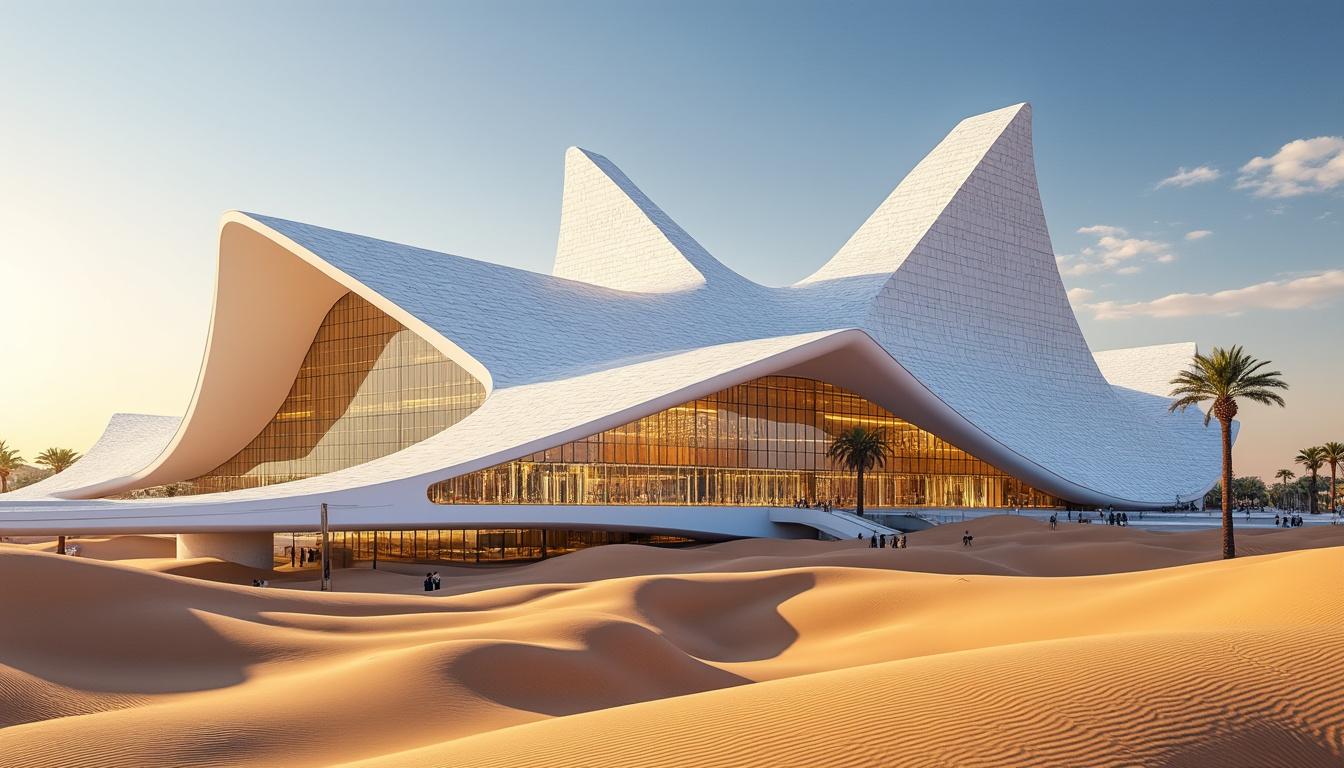
The Grand Egyptian Museum (GEM), situated merely 1.2 kilometers from the iconic Giza Pyramid Complex, is more than a repository of history; it represents a monumental marvel of modern architecture dedicated solely to ancient Egypt’s civilization. Designed by the Dublin-based Heneghan Peng Architects, the museum’s sleek exterior pays homage to the geometric precision found in pharaonic art and architecture, marrying contemporary aesthetics with cultural symbolism. This fusion reflects a thoughtful approach to museum architecture that goes beyond utility, imbuing the structure itself with narrative power.
Spanning over 500,000 square meters, the GEM is positioned as the world’s largest museum focusing on a single civilization, aiming to attract millions of visitors annually. Its scale poses unique challenges in visitor flow management and exhibit curation but also offers extraordinary opportunities for immersive storytelling.
The architectural planning strategically mirrors elements from ancient Egyptian motifs, utilizing angular lines and expansive glass panels to provide natural light while framing the surrounding desert landscape and the pyramids. This creates a powerful contextual experience right at the entrance, underscoring the continuum between past and present.
One of the most noteworthy architectural innovations is the museum’s massive atrium that brings together colossal statues typically dispersed across various locations. The design incorporates cutting-edge structural engineering to support these artifacts with minimal environmental impact, factoring in preservation needs while maintaining visual grandeur. This coexistence of form, function, and preservation epitomizes the evolving standards of global museum architecture, where aesthetic appeal complements sustainable heritage stewardship.
For museum professionals, the GEM offers a case study in balancing monumental scale with visitor accessibility. Integrating smart technologies within the architectural layout can significantly smooth wayfinding and enhance engagement — practical solutions already being applied through digital signage and immersive audio tours. Resources like Grand Egyptian Museum Architects: Unveiling the Visionaries Behind the Masterpiece provide detailed insights into how architecture and technology converge in this innovative facility.
Preserving Egypt’s Cultural Heritage: The Treasured Collection within the Grand Egyptian Museum
While the museum architecture captivates architects and tourists alike, the heart of the Grand Egyptian Museum lies in its unparalleled collection of over 100,000 artifacts tracing the entirety of ancient Egypt’s history. Central to this is the complete collection of Tutankhamun’s artifacts, exhibited together for the first time, offering visitors a coherent narrative of pharaonic life and death.
The collection covers five millennia of Egyptian civilization, showcasing everything from pottery and everyday objects to colossal statues and funerary treasures. Among the most significant pieces are the vast array of statues of pharaohs, sophisticated jewelry, sarcophagi, and intricate wall reliefs. These artifacts anchor the museum’s mission in historical preservation while illuminating the grandeur and complexity of ancient Egyptian society.
One essential aspect of the collection’s display is the focus on contextual storytelling. Rather than isolating objects, the GEM’s curators emphasize the interconnectedness of these artifacts with ancient Egyptian culture, belief systems, and social structures. This narrative approach ensures that the display transcends mere aesthetics to impart substantive understanding, catering to both scholarly audiences and casual visitors.
For professionals managing collections, the Grand Egyptian Museum embodies many lessons in conservation, particularly under the harsh desert climate. Advanced climate control systems, alongside sensitive lighting and security, are integrated seamlessly into the design to protect these invaluable treasures. These protocols meet the highest international standards, reflecting Egypt’s commitment to preserving its cultural heritage for future generations.
Access to the museum’s collection is further enhanced through digitization initiatives, enabling virtual exploration and remote research opportunities. References such as The Grand Egyptian Museum site provide comprehensive details on collection highlights and promote public awareness worldwide.
Innovative Archaeology Meets Smart Tourism at the Grand Egyptian Museum
The Grand Egyptian Museum marks a significant step forward in combining archaeological excellence with smart tourism strategies, elevating visitor experience beyond static displays. Archaeology experts and museum technologists have collaborated to develop interactive exhibits, digital reconstructions, and augmented reality (AR) components that bring ancient Egypt to life.
These innovations serve multiple purposes: they deepen engagement, provide accessibility to diverse audiences, and support educational goals essential for cultural transmission. Visitors can interact with virtual pharaohs, navigate ancient cities, and explore artifacts in 3D, bridging the gap between past and present with technology’s aid.
Smart audio guides, such as those powered by Grupem, transform smartphones into professional-grade narration devices, offering layered storytelling and multilingual support without adding to hardware expenses. This reduces dependence on traditional tour formats and enables personalized pacing. Such audio tech integration is vital in a museum of GEM’s scale, helping visitors orient themselves and absorb content effectively.
Effective wayfinding is another critical feature supported by digital infrastructure. The museum employs apps and in-building systems that guide visitors through thematic routes, suggest highlights, and manage crowd density, ensuring smoother flow and more meaningful engagement.
For cultural managers and tour operators, the GEM exemplifies how deploying intelligent solutions enhances historical appreciation while maintaining operational efficiency. Detailed case studies on these strategies can be found at Grupem’s platform, which offers expert insights on smart tourism applications aligned with major cultural projects.
Challenges and Controversies: Balancing Monumental Ambitions and Visitor Accessibility
Despite its success as a monumental marvel celebrating ancient Egypt’s glories, the Grand Egyptian Museum faces challenges that merit careful consideration. Key among these is balancing the grandeur and scale of the institution with the practicalities of visitor accessibility and inclusivity.
Ticketing controversies have arisen, reflecting debates on pricing strategies that might limit access for locals and budget-constrained tourists. Additionally, the sheer size of the museum can be overwhelming, necessitating thoughtful visitor management to prevent fatigue and disorientation.
There is also a debate surrounding the museum’s role relative to other Egyptian institutions, particularly the Cairo Archaeological Museum. Rather than view these cultural centers as competitors, there is a growing consensus on the importance of collaboration to promote a comprehensive understanding of Egypt’s heritage — a position explored in articles like Museums Unite, Not Rival.
Technological solutions, including advanced ticketing platforms and adaptive visitor services, have been proposed to resolve some of these issues. For instance, flexible pricing tiers and timed entries can improve accessibility while controlling crowding.
From an operational standpoint, training staff to assist diverse visitor demographics and integrating feedback tools can support continuous improvement. These strategies highlight that monumental aspirations require practical, user-centered approaches to succeed.
More on these intersecting challenges at Ticketing Controversy at GEM offers an in-depth analysis valuable for cultural managers navigating similar contexts.
Implementing Smart Cultural Mediation: Enhancing the Visitor Journey at GEM
Smart tourism is pivotal in transforming the Grand Egyptian Museum from a static monument into a dynamic cultural hub. Leveraging audio guides, interactive displays, and mobile apps tailored to diverse visitor profiles enhances comprehension, accessibility, and enjoyment. This approach reflects global best practices where historical preservation meets cutting-edge archaeology and digital mediation.
The application of smart audio technology, such as those developed by Grupem, enables a paradigm where visitors control their learning paths. This not only democratizes information but also accommodates different learning styles through voice recognition, adjustable speed, and multilanguage narration.
Moreover, these solutions are cost-effective and scalable for museums facing budget constraints, providing a viable alternative to expensive equipment loans or staff-led tours. The seamless integration of technology creates a fluent visitor experience that respects the immensity of the collection while enhancing personal connection to Egypt’s civilizational legacy.
Ultimately, successful implementation relies on continuous data analysis and user feedback to refine content and technical features. Institutions considering similar flagship projects can draw on GEM’s experience documented at Grupem’s Grand Egyptian Museum resource to develop practical roadmaps for digital transformation in cultural settings.
Key elements for improving visitor experience with smart mediation include:
- 🎧 Personalized audio tours tailored to interest areas
- 📲 Mobile apps providing contextual multimedia and AR experiences
- 🗺️ Intelligent wayfinding and crowd management systems
- 📊 Real-time feedback tools for dynamic content updates
- 🌍 Multilingual, accessible formats inclusive of visitors with disabilities
| 🎯 Aspect | 🚀 Implementation | 🌟 Benefits |
|---|---|---|
| Audio Guides | Smartphone app-based layered narration | Enhanced engagement, user control, cost efficiency |
| Interactive Displays | Touchscreens with 3D artifact models | Immersive learning and virtual exploration |
| Wayfinding Systems | Indoor GPS and digital mapping tools | Improved navigation and visitor flow |
| Feedback Integration | Real-time visitor surveys via app | Content refinement and user satisfaction |
| Accessibility Features | Text-to-speech, subtitles, adjustable speed | Inclusivity for diverse audiences |
What makes the Grand Egyptian Museum a monumental marvel?
The GEM’s design combines modern architectural innovation with symbolic references to ancient Egypt, creating a world-class facility that honors Egypt’s heritage on an unprecedented scale.
How does the museum preserve its treasured collection?
Advanced climate control, sensitive lighting, and high-security measures protect the artifacts, complemented by digital cataloging to ensure long-term preservation and accessibility.
In what ways does smart tourism enhance the visitor experience at GEM?
By using intelligent audio guides, AR exhibits, and digital wayfinding, visitors gain personalized, engaging access to the museum’s vast collection without feeling overwhelmed.
What challenges does the Grand Egyptian Museum face regarding accessibility?
Managing visitor flow in such a large space, ticket pricing debates, and ensuring inclusivity for diverse audiences are ongoing operational challenges.
How can other museums learn from the Grand Egyptian Museum’s technological integration?
GEM’s application of scalable, user-friendly smart tourism tools offers a model for museums worldwide seeking to enhance visitor engagement through digital transformation.
More on the Grand Egyptian Museum’s monumental journey to Egypt’s wonders
Inside the long-awaited Grand Egyptian Museum and its cultural treasures
Explore the world’s largest museum dedicated to ancient Egypt
Lessons from Manchester Museum’s approach to Egyptian remains
The Grand Egyptian Museum: A triumph of ancient heritage and modern design
