
With the arrival of 2026, Smithsonian museums are unveiling an impressive roster of 19 new exhibits that promise to enrich public knowledge and deepen appreciation for diverse cultures, histories, and artistic endeavors. These exhibitions range from celebrating the nation’s 250th anniversary to unveiling contemporary art and significant historical artifacts, ensuring visitors experience engaging and educational encounters.
Peu de temps ? Voici l’essentiel à retenir :
✅ Smithsonian is launching 19 innovative exhibits that showcase history, culture, art, and scientific achievement.
✅ Highlights include extensive renovations at the National Air and Space Museum and immersive installations like Nick Cave’s “Mammoth.”
✅ Smart digital tools and curated guided tours amplify accessibility and engagement across the Smithsonian network.
✅ (Bonus) Several exhibitions address vital social themes, such as LGBTQ+ pride and African American heritage.
Discover Revolutionary Transformations at the National Air and Space Museum
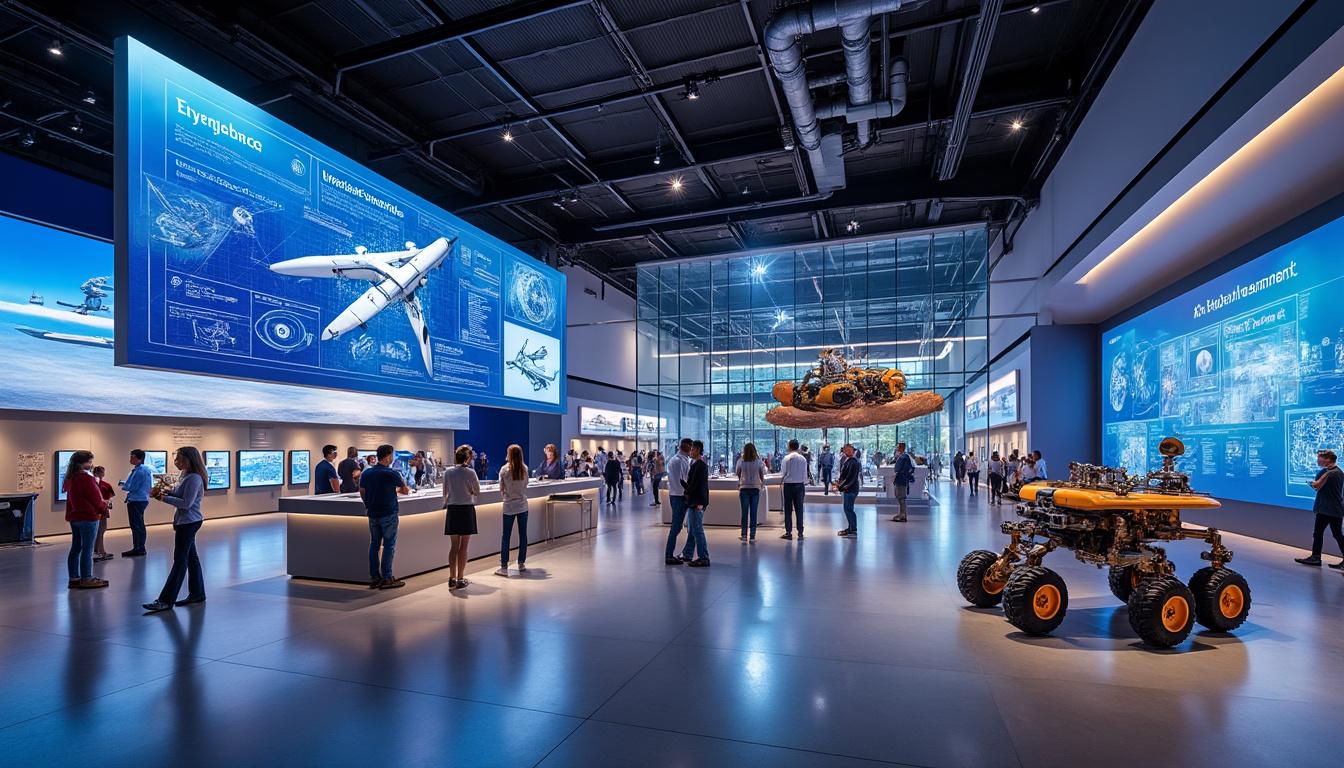
The Smithsonian’s National Air and Space Museum, a longtime beacon for aviation and space exploration enthusiasts, enters 2026 with a transformative facelift after eight years of renovations. Seven brand-new permanent galleries are opening just in time for the national 250th anniversary and the museum’s own semicentennial celebrations.
These fresh galleries present an immersive perspective on humanity’s journey into flight and space. Visitors can explore exhibitions such as “At Home in Space,” which offers a glimpse into the daily lives and environments astronauts navigate beyond Earth’s atmosphere. The “Flight and the Arts Center” reveals the intersection of aeronautics and artistic expression, showcasing how aviation influences design and culture through the years.
Additional galleries like “Textron How Things Fly” and “RTX Living in the Space Age Hall” present interactive displays explaining aerodynamics and the evolution of aerospace technology. Artifacts like the Artemis I capsule — NASA’s milestone spacecraft that orbited the Moon — will be featured prominently, offering a tangible connection to recent scientific achievements.
This transformation reflects a broader commitment to elevating educational value and visitor engagement through innovative exhibit narratives. The newly renovated spaces intend to inspire curiosity and reflection on scientific progress, making the technological heritage more accessible to diverse audiences.
| 🏛️ Gallery Name | 📅 Opening Date | 🎯 Focus Area |
|---|---|---|
| At Home in Space | July 1, 2026 | Life and environment of astronauts |
| Flight and the Arts Center | July 1, 2026 | Artistic influence of aviation |
| Textron How Things Fly | July 1, 2026 | Aerodynamics explained |
| RTX Living in the Space Age Hall | July 1, 2026 | Modern aerospace innovation |
| Jay I. Kislak World War II in the Air | July 1, 2026 | Aircraft and history of WWII |
| Modern Military Aviation | July 1, 2026 | Contemporary military aircraft |
| National Science Foundation Discovering Our Universe | July 1, 2026 | Cosmology and astrophysics |
For professionals dedicated to cultural mediation and smart tourism, these extensive updates offer myriad opportunities to enhance guided tours using apps like Grupem, integrating immersive audio and visual content to captivate audiences effectively and efficiently. Discover more about these exciting changes by following the National Air and Space Museum’s new exhibitions.
Highlighting Cultural Heritage and Social Narratives at the African American History and Culture Museum
The Smithsonian’s commitment to representing complex cultural narratives is powerfully embodied in the African American History and Culture Museum’s 2026 exhibition titled “At the Vanguard.” This collection, open from January 16 through July 19, 2026, uniquely curates over 100 objects from five historically black colleges and universities (HBCUs), including Clark Atlanta University, Florida A&M University, and Tuskegee University.
This exhibit thoughtfully explores themes of artistry, resilience, and resistance, illustrating the vital role HBCUs have played in shaping African American history and culture. Artifacts range from traditional scholarly materials to items reflecting contemporary expressions of identity and activism.
Such exhibitions are not only powerful in their content but also provide crucial educational frameworks. For cultural venues and tour operators, integrating these social history narratives into visit programs can amplify public engagement and create lasting emotional connections. Incorporating technology-driven audio guides tailored for these exhibits can help visitors navigate complex topics with clarity, fostering a more inclusive museum experience.
Moreover, this museum is also joining the conversation about contemporary social issues with exhibits like “Here: Pride and Belonging in African Art” at the National Museum of African Art. Running from early winter through summer 2026, this exhibit features African artists challenging homophobia and celebrating LGBTQ+ identities through groundbreaking art, reflecting the Smithsonian’s dedication to education that embraces diversity and acceptance.
Professionals managing exhibits and educational programming can access a wealth of insights and updates at Smithsonian exhibitions newsdesk to stay informed on topics that resonate with evolving social dialogues.
Innovative Immersive Art Experiences in the American Art Museum
Within Washington, D.C., the Smithsonian American Art Museum debuts two exhibition highlights in 2026 prioritizing immersive and historical perspectives. The first, “Nick Cave: Mammoth,” showcases the first solo exhibition in the capital by renowned contemporary artist Nick Cave.
Running from February 3, 2026, through January 3, 2027, this exhibit transcends the typical gallery experience. Visitors are enveloped in installations featuring mammoth hides and bones, kinetic video projections, and an expansive beaded curtain that reflects Cave’s personal history connected to his family farm. This multisensory approach embodies an advanced curatorial strategy that emphasizes experiential learning and emotional immersion—key drivers for modern cultural tourism.
Later in the year, starting September 18, the museum explores “Much Here is Beautiful: Photography of the U.S. Bicentennial.” This exhibit compiles thousands of photographs from the Northeast, South, Midwest, and West of the United States taken around the nation’s bicentennial, revisiting regional stories and identities seldom documented since the Great Depression.
Such exhibitions demonstrate how art and history can blend to offer comprehensive cultural education. They provide professionals responsible for organizing tours or educational content with exemplary models of how exhibits can be framed to balance historical artifacts and interactive storytelling.
For detailed schedules and additional exhibits, consult Smithsonian’s 250th anniversary exhibitions portal.
Exploring Asian Art and Photography Through Time and Technique
The Smithsonian’s National Museum of Asian Art enriches its 2026 calendar with compelling new exhibitions that blend history, culture, and artistic craftsmanship. Highlights include “Of the Hills: Pahari Paintings from India’s Himalayan Kingdoms,” on display from April 18 to July 26, 2026.
This exhibit brings over 200 years of art created in northern India’s Himalayan kingdoms from the 1620s to 1830s, featuring 48 paintings borrowed from prestigious institutions such as the Cleveland Museum of Art and Cincinnati Art Museum. The works reveal profound political, religious, and cultural expressions, offering rich insight into a region often overlooked in Western art history.
Another remarkable showcase running April 2 through August 23, “Into the Waters with Senju and Bingyi: Two Contemporary Paintings,” emphasizes the elemental force of water through the eyes of two renowned contemporary artists with very different techniques and perspectives. This juxtaposition introduces visitors to diverse aesthetic approaches while visually reinforcing themes of universality and nature.
These exhibits serve as exemplary references for museum professionals aiming to curate thematic experiences that challenge perceptions and stimulate cross-cultural understanding, utilizing smart audio mediation tools to enhance accessibility and visitor retention of complex artistic concepts.
| 🎨 Exhibition | 🏛️ Museum | 📅 Dates | 🌏 Cultural Focus |
|---|---|---|---|
| Of the Hills: Pahari Paintings | National Museum of Asian Art | April 18–July 26 | India’s Himalayan Kingdoms (1620s–1830s) |
| Into the Waters with Senju and Bingyi | National Museum of Asian Art | April 2–August 23 | Contemporary Asian Art |
| Stitched to You by Sola Olulode | National Museum of African Art | Early Winter–Summer | LGBTQ+ Pride and Belonging in African Art |
Smart Applications and Educational Impact of New Smithsonian Exhibits
The arrivals of these 19 Smithsonian exhibits provide fertile ground for adopting smart tourism technologies and innovative educational tools. Museums and cultural institutions can leverage mobile applications such as Grupem to offer accessible and dynamic guided tours using audio narratives, multimedia content, and real-time visitor interaction.
For example, audio guides enriched with contextual background, artist interviews, and explainers on historical significance allow a deeper engagement with the exhibits. This approach is particularly effective with complex topics like the intersection of history and social activism in the African American History Museum or the technical intricacies in the Air and Space Museum’s aerospace displays.
Moreover, incorporation of smart devices facilitates inclusive experiences for visitors with disabilities and language barriers, a critical aspect in ensuring equitable access to heritage and education. Ongoing updates to Smithsonian’s exhibits, including interactive elements and smart signage, are documented online, enabling professionals to integrate the latest innovations and improve visitor flow and retention.
- 🎧 Enhanced audio tours promoting hands-free learning and exploration
- 📱 Mobile applications providing multilingual content and accessibility features
- 🔍 Interactive exhibit components with sensors for engagement tracking
- 🗺️ Real-time visitor path guidance through smart maps for optimized tour routes
- 📚 Curated educational materials for schools and community outreach programs
These technological enhancements reflect an overarching strategy to transform traditional museum visits into modern, accessible, and immersive educational journeys. Museums and tour operators ready to capitalize on these advancements can thus plan smart, user-centric experiences aligned with contemporary visitor expectations.
What are the most anticipated Smithsonian museum exhibits in 2026?
Among the 19 new exhibits, noteworthy ones include the National Air and Space Museum’s renovated galleries, Nick Cave’s immersive ‘Mammoth’ exhibit at the American Art Museum, and the African American History Museum’s ‘At the Vanguard’ showcase.
How can technology enhance the museum visitor experience in 2026?
Smart audio guides, mobile apps with multilingual and accessibility options, and interactive exhibit elements enable visitors to engage with content at their own pace and depth, creating inclusive and enriched experiences.
Where can I find detailed schedules of Smithsonian exhibitions?
Official information, including upcoming exhibitions and special anniversary events, is available through Smithsonian’s exhibition portal and related cultural news websites.
What themes are addressed in Smithsonian’s 2026 exhibits concerning social issues?
Themes include LGBTQ+ pride in the African art context, African American cultural resilience, and historical social movements displayed through diverse artifacts and contemporary art.
