
Peu de temps ? Voici l’essentiel à retenir :
- ✅ BIG’s innovative pavilion design merges traditional Chinese garden elements with cutting-edge architectural techniques.
- ✅ The Suzhou Museum of Contemporary Art offers a smart cultural and leisure environment by integrating nature, water, and art.
- ✅ Materialism exhibition inside the museum illustrates BIG’s hands-on approach to sustainable materials and smart design practices.
- ✅ Collaboration and accessibility elevate the visitor experience with interconnected spaces and thoughtful environmental responsiveness.
Innovative Architectural Design of BIG’s Pavilion Blending Traditional Chinese Elements with Modernity
The Suzhou Museum of Contemporary Art, designed by the acclaimed Danish architecture firm BIG (Bjarke Ingels Group), showcases a revolutionary approach to cultural architecture in China. Opening soon near the iconic Jinji Lake waterfront, the project combines a smart interpretation of Suzhou’s garden heritage with innovative architectural forms suitable for a contemporary art museum.
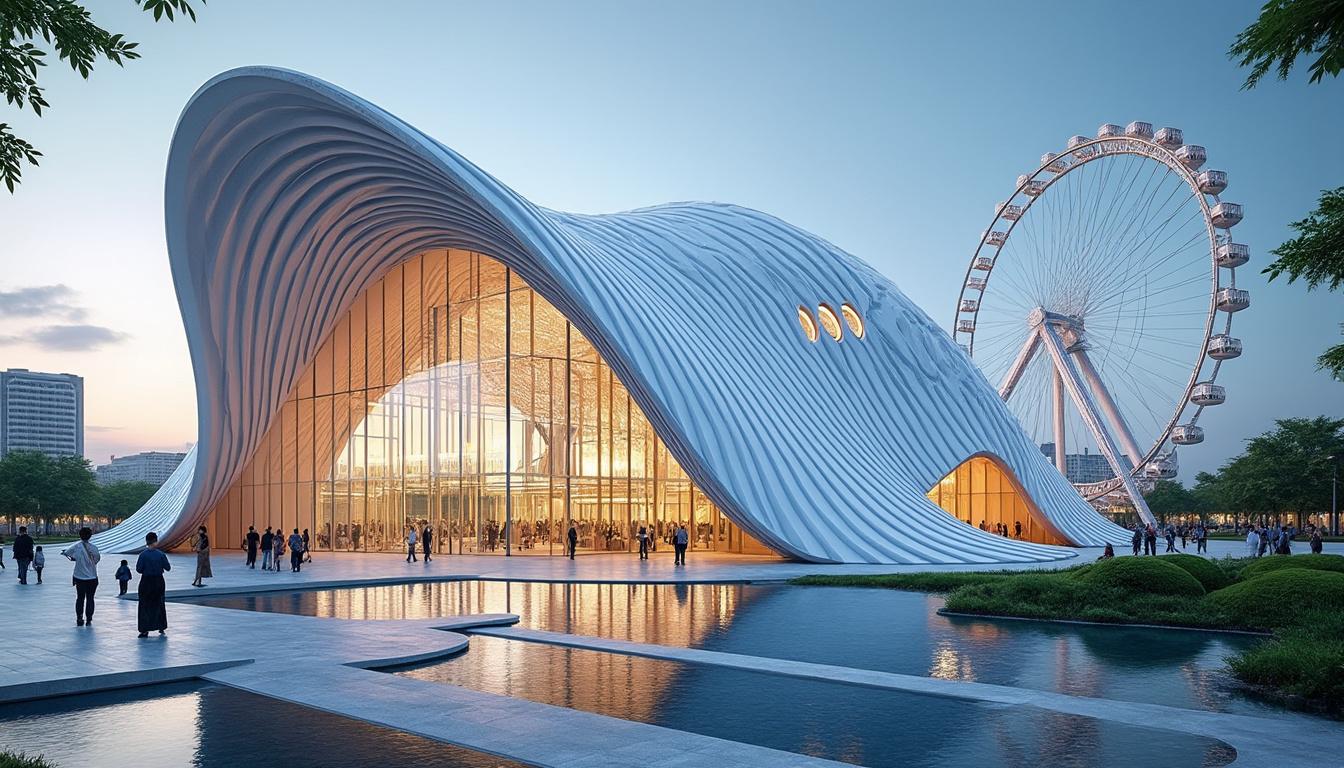
Covering 15 acres, the museum is not a singular building but rather a village of 12 interconnected pavilions unified by a continuous ribbon-like roof that visually and functionally links the structures. BIG’s architectural team drew on the concept of lang—the traditional long, covered corridors familiar in Chinese garden and palace architecture—that lead visitors through a rhythmic spatial narrative connecting exhibition spaces and courtyards.
The design pays homage to Suzhou’s rich history in garden design, employing curved glass facades and warm-toned stainless steel materials that seamlessly reflect the surrounding natural landscape, including the nearby lake and the famous Suzhou Ferris wheel, which subtly weaves within the museum structure.
This fusion of traditional cultural motifs and modern architectural innovation allows the building to act as a physical manifestation of continuity; linking past to present through spaces that emphasize openness, light, and fluid circulation. The ribbon roof itself is a sculptural element that provides shelter, frames views, and signals the museum’s thematic dedication to contemporary art in an inviting public venue.
Such an architectural strategy enhances not only aesthetic qualities but also accessibility, encouraging visitors to explore the spaces organically. This approach creates an inclusive environment where art and nature coexist harmoniously:
- 🌿 Gardens and courtyards serve as contemplative urban oases supporting cultural engagement and leisure.
- 🌞 The glazed galleries maximize natural daylight, reducing energy consumption.
- 🌀 The flowing pavilion layout fosters dynamic visitor routes and encourages serendipitous discovery of exhibits.
More information about the architectural design philosophy and project details can be accessed via the official BIG project page, illustrating how form and function coalesce in this monumental undertaking.
Enhancing Visitor Experience through Smart Cultural and Environmental Integration
BIG’s pavilion design for the Suzhou Museum of Contemporary Art reflects an extensive focus on creating an immersive cultural experience that goes beyond displaying artworks. The architects purposefully situate the museum in a landscape where leisure meets enlightenment, with the positioning near Jinji Lake and the Ferris wheel creating a vibrant and accessible urban landmark.
The pavilion complex transforms passive viewing into an interactive journey encouraging visitors to engage both physically and intellectually with the museum environment. The design incorporates key smart tourism strategies that leverage environmental design and spatial psychology to guide visitor movement and comfort.
Smart spatial design for accessibility and flow
The strategic use of interconnected glazed galleries and arcades not only provides weather protection but also creates natural paths that instinctively lead visitors through numerous exhibition spaces. This configuration ensures a continuous, intuitive circulation that minimizes bottlenecks and allows varied engagement styles — from contemplative solitude in garden courtyards to social interaction within larger halls.
Moreover, the ribbon-like roof and pavilion layout serve as visual cues to orient visitors. This clarity of movement is instrumental in enhancing visitor satisfaction, as it reduces common disorientation issues in large museum settings.
Environmental considerations supporting sustainability and comfort
In line with contemporary architectural trends that prioritize sustainability, the use of natural light and materials is central to BIG’s design ethos. The pavilions incorporate energy-saving technologies, such as:
- 🍃 Advanced curved glass facades maximizing daylight penetration without causing excessive heat gain.
- 💨Natural ventilation corridors leveraging the region’s climate to regulate interior temperatures.
- 🌱 Use of warm-toned stainless steel that is durable and requires minimal maintenance while complementing the natural environment visually.
Such sustainability features contribute not only to environmental responsibility but also directly improve visitor comfort, an essential factor in prolonged engagement during tours and exhibitions.
The marriage of these design elements exemplifies how innovative architectural techniques meet practical needs, an approach highlighted in insightful articles reviewing the project on Dezeen and ArchDaily.
Materialism Exhibition: Showcasing BIG’s Hands-On Approach to Materials and Craftsmanship
Inside this innovative pavilion, BIG is set to present Materialism, an exhibition that exemplifies the firm’s philosophy of blending material exploration with architectural practice. More than a static display, Materialism is an active dialogue on how different materials—ranging from stone and earth to glass, metal, and even recycled components—inform contemporary architectural aesthetics and sustainability.
Materialism includes 20 detailed mock-ups and models of BIG’s projects worldwide, showcasing how the firm’s commitment to materiality shapes form and function simultaneously. This exhibition provides cultural institutions and visitors with insights into:
- 🎨 How raw materials can be transformed to serve artistic and structural purposes.
- 🛠️ The process of craftsmanship integrated with high-tech methods.
- 🌐 Sustainable sourcing and reuse of materials to reduce ecological footprints.
For sectors engaged in cultural heritage and museum operation, the Materialism exhibition offers actionable inspiration on curating spaces that are both innovative and responsible. It highlights the critical role that tangible, tactile qualities play in crafting meaningful visitor experiences.
Engaging with this exhibition ahead of the public opening of the Suzhou Museum of Contemporary Art connects directly with broader smart tourism initiatives, as promoted on platforms like Grupem’s insights on museum beauty and innovation, emphasizing the importance of material culture and smart storytelling.
The Cultural Impact and Importance of BIG’s Pavilion in China’s Contemporary Art Scene
The opening of the Suzhou Museum of Contemporary Art represents more than just a new venue—it embodies China’s growing commitment to integrating contemporary art within urban development and public culture. This pavilion is set to become a nexus where art, community, and environment intersect.
With increasing visitor expectations for immersive cultural experiences, the museum’s design anticipates future trends in museum architecture and urban cultural spaces by:
- 🎭 Creating multi-use spaces for exhibitions, public events, and social gatherings.
- 🌍 Promoting sustainability and environmental stewardship as part of cultural responsibility.
- 📱 Integrating digital and smart technologies for enhanced interpretation and access.
This aligns with international movements toward museums as living institutions where physical architecture supports not just the preservation but the active dissemination and dialogue of contemporary art.
For permissions, architectural details, and further updates on BIG’s pioneering work, exploration is recommended through resources such as World Architecture and Grupem case studies on museum integration.
Practical Applications in Smart Tourism and Digital Mediation at Contemporary Museums
From the perspective of smart tourism and modern museum management, BIG’s innovative pavilion offers a blueprint on how to design museums equipped for the digital age. The architecture itself supports smart mediation technologies, including:
- 📲 Easy integration of mobile-based audio guides, enhancing accessibility for diverse visitor profiles.
- 🌐 Spatial planning accommodating interactive installations and digital navigation aids.
- 🎧 Acoustic design optimized for clarity, ensuring a quality audio experience throughout exhibitions.
These features align with trends in cultural tourism aimed at improving engagement without complicating the visitor journey. Importantly, the pavilion’s physical layout facilitates seamless deployment of technology-driven interpretive tools, as advocated by leading experts and showcased on platforms like Grupem’s professional guides section.
The synergy between architecture and smart audio technology ensures that both space and content serve visitors effectively. For tourism professionals and museum organizers, this is a strong example of how physical innovation must harmonize with digital tools to offer a truly contemporary experience.
| 🚩 Feature | 🔍 Description | 🎯 Benefit for Museums & Visitors |
|---|---|---|
| Interconnected Pavilions | 12 pavilions linked by a continuous roof and glazed corridors | Improved visitor flow and versatile exhibition spaces |
| Ribbon-like Roof | Provides shelter, defines aesthetic, and references traditional architecture | Enhanced natural lighting and cultural symbolism |
| Sustainable Materials | Use of curved glass, stainless steel, and recycled components | Reduced environmental impact and maintenance costs |
| Smart Integration | Supports digital mediation tools including audio guides and interactive displays | Engaged and accessible visitor experience |
What distinctive architectural elements define BIG’s pavilion design for the Suzhou Museum?
BIG’s pavilion unites 12 interconnected pavilions beneath a continuous ribbon-like roof inspired by traditional Chinese lang corridors, integrating modern materials such as curved glass and warm-toned stainless steel to reflect Suzhou’s garden heritage.
How does the pavilion design enhance visitor movement and experience?
The interconnected galleries and covered corridors guide visitors naturally through exhibition spaces while the ribbon roof offers shelter and visual orientation, promoting smooth flow and varied art engagement.
What is the focus of the Materialism exhibition hosted within the museum?
Materialism explores BIG’s use of diverse architectural materials, illustrating sustainable approaches and craftsmanship through models and mock-ups of their global projects.
How does this project align with smart tourism trends?
By facilitating integration of mobile audio guides and interactive digital media within a well-planned spatial design, the pavilion exemplifies how museums can offer accessible and engaging experiences enhanced by technology.
Where can professionals find more detailed insights about the Suzhou Museum of Contemporary Art by BIG?
Architectural portals like Dezeen and ArchDaily provide in-depth project coverage and images.
