
Managing the Transition: Ethical Approaches to Museum Closure and Collection Relocation
The recent announcement regarding the permanent closure of the River & Rowing Museum in Henley-upon-Thames presents a complex case in the cultural preservation landscape. Museum closures, especially those carrying significant historical and cultural artefacts, demand meticulous management to ensure both heritage conservation and public accessibility are maintained. This particular museum, notable for its extensive rowing collections and its central role in chronicling the history of the River Thames, closed its doors in September due to escalating inflationary pressures and operational costs that challenged its financial viability.
Among key considerations in such closures are:
- 🔍 Maintaining integrity and provenance of collections to uphold historical narratives.
- 📦 Structuring ethical disposal and transfer processes in alignment with sector codes.
- 🤝 Collaborating with accredited institutions capable of providing sustainable care.
- 🎯 Ensuring continued public access through strategic relocating or loan agreements.
To navigate these challenges, the museum’s board has implemented a framework tailored to uphold museum sector ethics, drawing on established guidelines like the Museums Association’s Code of Ethics and the Arts Council England’s Accreditation framework. Their commitment extends beyond simple asset transference; they seek to secure a future for the collections that respects their significance and preserves the rowing history integral to the region.
Moreover, the museum invites expressions of interest from potential custodians including accredited museums, those progressing toward accreditation, and other public or not-for-profit bodies capable of safeguarding the artefacts with an emphasis on long-term public engagement. This initiative underscores the dual objectives of ethical stewardship and heritage preservation over mere disposal.
| Ethical Principles 📜 | Key Actions ⚙️ |
|---|---|
| Transparency in decision-making | Public announcements and calls for interest |
| Preserving provenance | Maintaining collection groupings |
| Continuity of public access | Encouraging accredited and capable custodians |
| Adherence to sector codes | Utilizing Museums Association disposal toolkit |
This process exemplifies best practices during museum closures and serves as a reference model for similar cultural institutions facing financial or operational challenges. Addressing these complex issues helps preserve not only physical artefacts but also the intangible cultural narratives they embody.
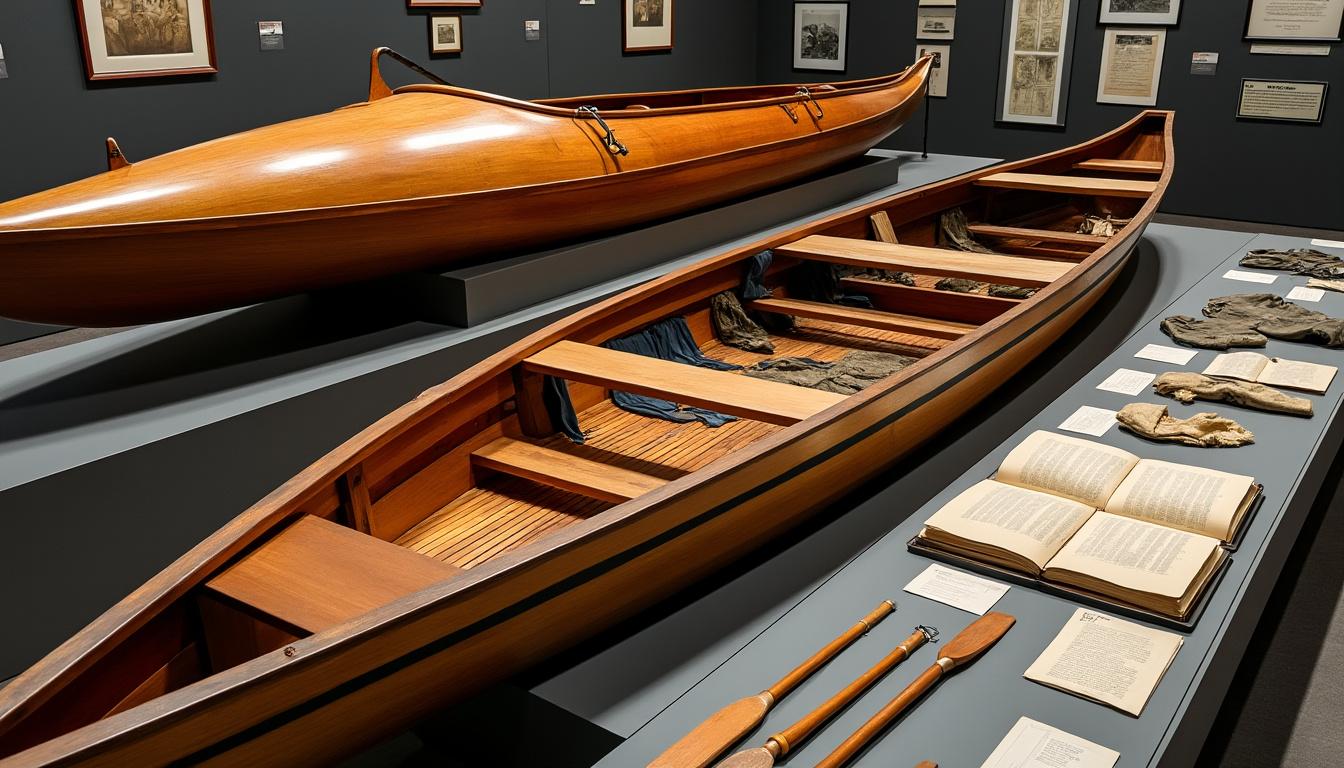
Details of the River & Rowing Museum Collections: Scope and Significance
The River & Rowing Museum’s extensive repository holds more than 35,000 items, capturing a broad spectrum of rowing history and local heritage related to Henley-on-Thames and the River Thames itself. Its collections comprise four core areas:
- 🚣♂️ International rowing collection (the largest with over 13,000 objects)
- 🏞️ Henley town collection (around 6,000 objects, notable locally but treated separately in the transfer process)
- 🏅 Trophies and medals collection (approximately 650 pieces highlighting competitive achievements)
- 📷 Photographic and poster archives (5,000 photographs and 400 posters documenting historical events)
The museum’s separation of the Henley collection during the initial transfer phase reflects its special status, given its strong ties to the community and local authorities. Notably, about 300 items within this collection remain council property, further complicating the transfer logistics.
Preserving the integrity of coherent groupings within these collections remains a priority. This means that wherever possible, significant sub-collections should move together to preserve narrative cohesion for researchers and the public alike. This strategic grouping is essential for interpreting the rowing history and cultural stories accurately.
Potential recipients of these artefacts are assessed not only on capacity but also on their ability to provide public access and maintain high standards of conservation—key pillars of contemporary museum curation.
| Collection Segment 🎯 | Number of Objects 📊 | Special Considerations ⚠️ |
|---|---|---|
| International Rowing Collection | 13,000+ | Largest in size; requires specialized care |
| Henley Town Collection | 6,000 | Strong local significance; loaned items retained by council |
| Trophies and Medals | 650 | Important for sporting heritage; fragile artefacts |
| Photographs and Posters | 5,400 | Valuable visual archives; high preservation priority |
While the museum building itself has been put on the market for £3 million, the collections have been carefully moved to secure off-site storage. This ensures their safety during the transfer process and any subsequent relocation. Such a move is crucial to uphold the ethical integrity of artifact preservation during periods of major institutional transition.
In this complex scenario, proper communication channels and detailed cataloguing practices become indispensable tools for stakeholders. Museums and heritage organisations interested in acquiring these collections can benefit from engaging early through informal consultation, fostering a transparent and collaborative selection process.
The Role of Ethical Frameworks and Sector Guidelines in Collection Transfers
Ethical oversight serves as the backbone in the relocation and disposal of museum collections, particularly when institutions close permanently. The River & Rowing Museum’s initiative is firmly grounded in established sector frameworks that guide responsible decision-making.
- 📌 The Museums Association’s Code of Ethics and Disposal Toolkit ensures transparency and prioritizes public interest.
- 📌 Arts Council England’s Accreditation guidance mandates high standards in conservation and accessibility.
- 📌 Public engagement is facilitated through platforms like the Museums Association’s Find an Object, providing visibility for potential custodians.
Such frameworks are essential in preventing the fragmentation of culturally significant collections and avoiding commercial exploitation. They also guide museums to reflect on the implications of disposal on community heritage and museum audiences.
Considering the large scale of the River & Rowing Museum’s holdings, implementation of these ethics has involved:
- 🛡️ Developing a clear transfer strategy for “whole or substantial parts” of collections over piecemeal dispersal.
- 💬 Engaging with lenders and stakeholders for consent and dialogue to achieve responsible stewardship.
- 🔐 Providing secure, climate-controlled off-site storage pending final dispositions.
- 📅 Setting deadlines for interest submissions to streamline the process professionally and equitably.
Beyond procedural adherence, the museum’s trustees emphasize respect for the emotional connections among former staff, volunteers, and the community, preserving institutional memory even as physical transitions occur.
| Ethical Aspect 🌐 | Implementation Detail ✔️ |
|---|---|
| Transparency | Public calls for expressions of interest; clear timelines |
| Preservation | Climate-controlled storage; maintaining collection groupings |
| Public Access | Selection of accredited institutions prioritising outreach |
| Respect for Associations | Engagement with staff and volunteers; ethical decision rhetoric |
In an era where digital tools increasingly support museum accessibility and heritage interpretation, maintaining a clear ethical foundation during closures or relocations is vital for continued responsible cultural engagement.
Engaging Accredited Institutions and Public Bodies for Sustainable Collection Care
For institutions considering taking stewardship of significant collections such as those from the River & Rowing Museum, readiness encompasses not only conservation capacity but also commitment to active public programming and accessibility. The call for expressions of interest targets:
- 🏛️ Accredited museums with demonstrated expertise in rowing history or regional heritage.
- 🔄 Museums actively working toward accreditation who can guarantee long-term care.
- 🤲 Public or not-for-profit organizations aligned with ethical collection management and educational outreach.
Transfer negotiations involve practical considerations including:
- 🚚 Logistic arrangements for safe transport and handling of delicate and valuable artefacts.
- 💰 Negotiating costs related to movement, storage, and potential conservation requirements.
- 🗓️ Timelines for transfer, with a key deadline of February 6, 2026, to submit interest expressions.
Remaining museum personnel and trustees are actively managing this transition to minimize risks and preserve the collections’ integrity. Additionally, ongoing outreach educational programs are maintained to ensure public engagement continues beyond the physical museum’s closure.
| Requirement ✅ | Description 📋 |
|---|---|
| Long-term Access | Institutions must guarantee ongoing public accessibility to collections |
| Proper Care | Maintain conservation and environmental controls fit for archival materials |
| Ethical Management | Follow established codes and sector guidelines explicitly |
| Community Engagement | Incorporate exhibitions and educational outreach into custodianship plans |
Receiving institutions should consider integrating smart audio technology and digital guides to enhance visitor experiences, ensuring that rowing collections and cultural stories remain engaging and accessible. This aligns with contemporary trends in smart tourism and heritage mediation.
Balancing Financial Realities with Heritage Conservation: Implications for Cultural Institutions
The closure of the River & Rowing Museum underscores the harsh realities many cultural institutions face amid changing economic climates. Inflation, increased operational costs, and capital demands create a challenging environment, often forcing difficult decisions on continuity. The museum’s building, designed by architect David Chipperfield and now valued at £3 million, exemplifies the sizable assets involved in institutional sustainability.
This scenario prompts reflection on:
- 🏦 The necessity for museums to diversify funding sources and reduce dependence on volatile revenue streams.
- 🛠️ Potential for downsizing or reimagining museum spaces to maintain core collections sustainably.
- 🤝 Collaborations and partnerships between museums for shared stewardship to balance costs and expertise.
- 🔍 Greater investment in digital outreach and smart technologies to supplement physical accessibility.
Moreover, the River & Rowing Museum Foundation’s exploration into future directions — potentially including a smaller, more focused museum in Henley — reflects a pragmatic approach to sustaining cultural heritage at a community level while adapting to fiscal constraints.
| Financial Factor 💷 | Impact on Museum Operations 🏛️ | Possible Strategic Response ⚖️ |
|---|---|---|
| Inflation and Rising Costs | Reduced operating budgets; risk of closure | Streamline collections; seek new funding and partnerships |
| Capital Requirements | Need for building maintenance or upgrades | Sell assets; move to smaller or shared venues |
| Collection Storage and Care | High costs for secure, climate-controlled environments | Collaborative storage solutions; digital virtualization |
| Public Engagement | Decline in visitor numbers reduces income | Enhance digital media and audio tours for outreach |
This financial-heritage balancing act is one increasingly observed in the museum sector in 2025, emphasizing an urgent need for innovation in how museums operate, engage publics, and manage collections. Incorporating smart technologies like interactive mobile guides and virtual access can serve as vital tools in this transformation.
What criteria determine which institutions can receive the collections?
Only Accredited museums, museums working towards Accreditation, and not-for-profit or public bodies capable of long-term care and public access are eligible to receive the transferred collections.
How will the museum ensure artefacts remain accessible to the public?
By partnering with institutions committed to public access and maintaining collections ethically, and by continuing educational outreach programs during and after the transition.
Why is the Henley collection treated separately in the transfer process?
Due to its strong local significance and the fact that approximately 300 objects are council-owned and retained by the local authority.
How are operational costs influencing museum closures currently?
Rising inflation and capital demands have increased running costs, often making the continuation of museum operations financially unsustainable without restructuring.
What role do smart tourism technologies play in museum relocations?
They enhance visitor engagement through digital guides and interactive experiences, helping museums maintain relevance and accessibility post-relocation or during transitions.
