
Peu de temps ? Voici l’essentiel à retenir :
- ✅ Americans will face a 45% increase in admission fees at the Louvre from January 2026.
- ✅ Enhanced security measures following a high-profile heist are driving ticket price hikes for non-European visitors.
- ✅ Travel expenses are affected, urging visitors to plan accordingly and consider digital solutions for an enriched museum experience.
Impact of Increased Ticket Prices on Americans Visiting the World’s Most Visited Museum
The Louvre Museum in Paris, which welcomed nearly 9 million visitors in 2024, is setting new standards for admission fees by applying a steep surcharge to non-European visitors, particularly Americans. From January 14, 2026, ticket prices for museum entry will increase from $25 to $37 for these visitors, representing a 45% surge. This adjustment directly affects approximately 13% of the Louvre’s attendance, as Americans form a significant portion of the foreign tourist demographic.
This escalation reflects the museum’s need to finance extensive renovations and implement state-of-the-art security upgrades after a notorious theft where eight precious jewels valued at over $102 million were stolen during daylight hours in the Apollo Gallery. Such an audacious heist has underscored vulnerabilities in cultural site protections worldwide, compelling major museums to revisit their visitor charges and financial strategies.
This price rise has notable repercussions on travel expenses, especially for Americans planning cultural visits abroad. The fee increase highlights a broader trend where nationalities outside the European Economic Area are incentivized to contribute more, maintaining a sustainable funding model for preservation efforts and modernization initiatives.
- 🎟️ Ticket price for Americans rising to $37 from January 2026
- 🔒 Over 100 new surveillance cameras slated for installation by 2026
- 🛡️ Implementation of comprehensive anti-intrusion technologies
- 🏛️ Approx. 77% of 8.7 million visitors in 2024 were foreign nationals
- 💰 The Louvre’s renovation and security budget is partially supported by increased admission fees
| Visitor Category 🧑🤝🧑 | Ticket Price (Before) 💵 | Ticket Price (After Jan 2026) 💵 | Price Increase % 📈 |
|---|---|---|---|
| European Union Citizens 🇪🇺 | $25 | $25 | 0% |
| Non-EU Visitors (Including Americans) 🌍 | $25 | $37 | 45% |
It is essential to consider these adjustments in the context of other international tourism pricing strategies. For instance, American national parks recently introduced variable annual pass prices for residents versus non-residents, which parallels the Louvre’s approach to differentiated visitor charges.
To better understand the intricacies of this policy, professionals may refer to comprehensive insights on ticket price changes at the Louvre and the rationale behind increased fees.
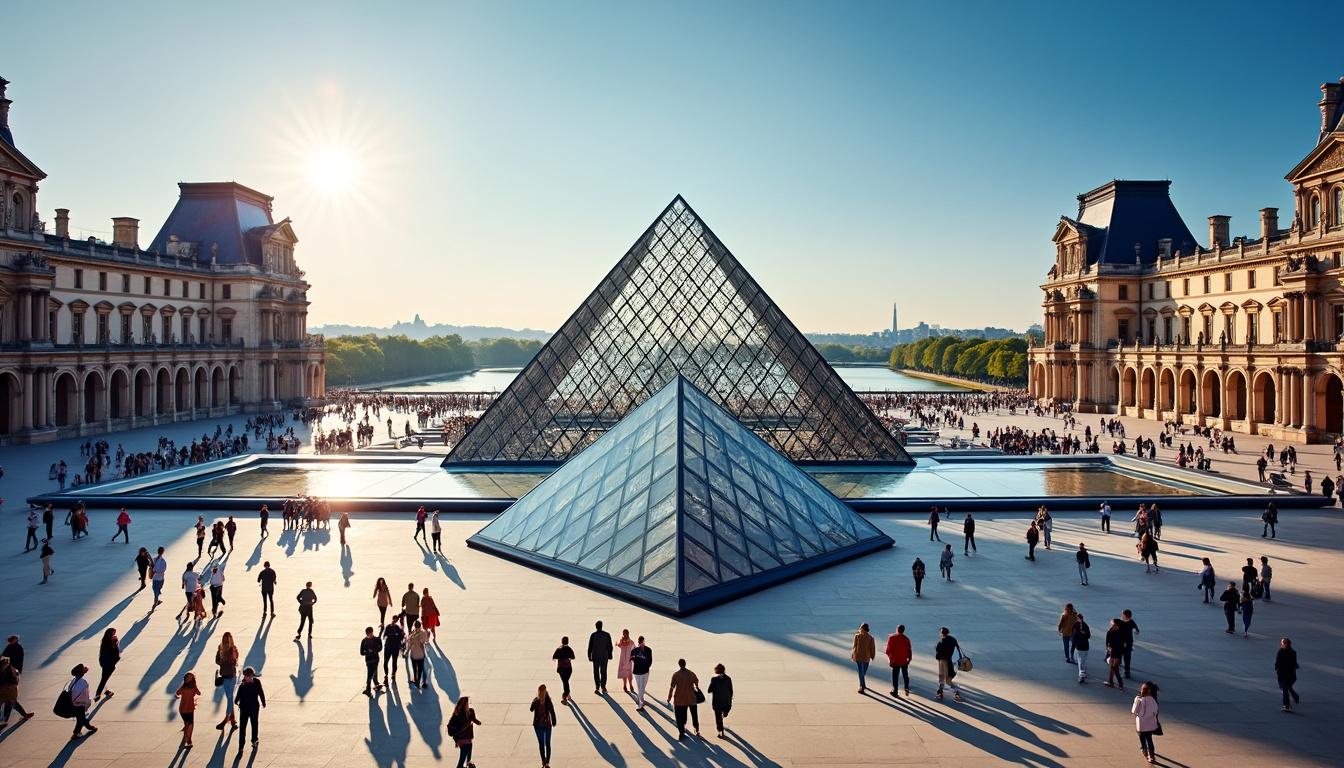
Advanced Security Measures Influencing Museum Entry Costs and Visitor Experience
Following the October 19, 2024, heist at the Louvre’s Apollo Gallery, where a team of four thieves stole eight priceless jewels, the museum has accelerated investment in security. These measures involve installing about 100 new cameras by the end of 2026 and deploying robust anti-intrusion systems imminently. Additionally, the Louvre has established a new administrative position dedicated to overall security coordination.
This comprehensive security overhaul is an expensive undertaking, directly impacting operational costs and necessitating adjustments in visitor charges. The Louvre joins a growing number of cultural sites that have reassessed their admission fees to address evolving risks. These include the BBC’s recent report on security upgrades at major museums and similar efforts documented by Artnet News.
Enhanced security not only safeguards invaluable artifacts like the Mona Lisa but also facilitates better crowd management and a safer, more engaging visitor environment. Investing in such technology aligns with the museum’s mission to sustain both cultural heritage and a quality tourism experience.
- 📹 Deployment of approx. 100 advanced surveillance cameras
- 🔐 Introduction of anti-intrusion alarm systems
- 👮 Creation of a “security coordinator” role
- 🎯 Focus on protecting priceless artifacts
- 🏰 Reinforced perimeter security across the museum campus
| Security Upgrades Component 🛡️ | Expected Completion Date 🗓️ | Impact on Visitor Entry Process 🚷 |
|---|---|---|
| Surveillance Cameras | End of 2026 | Enhanced Monitoring and Incident Response |
| Anti-intrusion Systems | Within Weeks from Announcement | Immediate Threat Detection |
| Security Coordinator Role | Implemented | Centralized Security Management |
Tourism stakeholders, including museums and cultural institutions, may explore case studies such as the financial strategies behind museum security upgrades for adaptation guidance and budgeting.
Economic Implications of Admission Fee Increases on International Tourism
Increasing ticket prices, particularly for Americans and other non-European visitors, has multi-layered consequences that extend beyond the museum walls. The augmented visitor charges translate directly into higher travel expenses, influencing tourist behavior and destination choices. Cultural tourism, which represents a crucial segment of international travel, must balance accessibility with financial sustainability to thrive.
Researchers and tourism professionals have observed that such ticket price changes can lead to:
- 🧳 Alterations in travel budgeting for families and groups
- 🎨 Decisions to prioritize tickets for landmark cultural sites over others
- ⚖ A need to seek cost-effective alternatives, including advance bookings and digital guides
- 🌍 Potential reduction in tourist numbers from higher-cost regions
Examples from global museums reveal a growing emphasis on diversified revenue streams with pricing models tailored to visitor demographics. The Louvre’s recent changes echo similar adjustments seen in parallel with government policies such as the U.S. National Parks Service’s launch of tiered pass pricing for residents and non-residents starting January 2026.
To deepen understanding of these dynamics, tourism managers and cultural site operators can reference informative analyses such as studies on museum attendance and pricing effects and current reports like those published by CNN Travel.
| Effect on Tourism 🔍 | Potential Outcome ⚖ | Actions to Mitigate Effects 💡 |
|---|---|---|
| Increased Ticket Price | Higher travel budget required | Early booking discounts and bundled experiences |
| Visitor Choice Shift | Possible selection of alternative cultural sites | Promotion of digital tours and virtual visits |
| Ticket Purchase Hesitation | Reduced spontaneous visits | Flexible ticketing and membership options |
Effective Solutions for Visitors to Manage Increased Museum Entry Costs
Smart tourism initiatives can play a vital role in helping visitors navigate these higher fees without compromising the experience quality. Leveraging mobile apps like Grupem, which provides professional audio guides and customizable tours, enhances visitor engagement and offers value for the price paid.
- 📱 Use of smart audio guides to enrich museum visits and deepen cultural appreciation
- 🎟️ Purchasing tickets online in advance to secure lower prices and reduce waiting times
- 🔄 Exploring combination tickets or city tourism passes that include multiple cultural sites
- 💵 Taking advantage of special offers, discount days, or seasonal promotions
For detailed guidance on rethinking museum visits through technology, professionals may consult resources such as digital exploration of museums or strategies aimed at curbing attendance declines documented at various cultural locations.
Considerations for Cultural Sites and Tourism Stakeholders on Adaptive Pricing Models
The Louvre’s decision to increase admission fees for non-European visitors spotlights an evolving approach among cultural sites to balance accessibility and operational costs. Institutions worldwide are challenged by the need to protect irreplaceable assets while remaining welcoming to the global audience that sustains them.
Key factors influencing adaptive pricing include:
- 💼 Demand for increased funding to support renovation and security programs
- 🌐 Changes in international tourism patterns and visitor demographics
- ⚙️ Technology implementation that enhances security and visitor experience
- 💸 Fairness and equity considerations for local and international audiences
- 🛠️ Flexibility in ticketing strategies including dynamic pricing and membership benefits
Strategically, this model supports long-term sustainability while encouraging innovations in visitor engagement, including smart audio technology, interactive apps, and personalized tours. Comparative case studies such as the ticketing controversy at the GEM museum and free Sunday initiatives exemplify diverse approaches within the industry.
| Adaptive Pricing Factor 🔄 | Rationale 🧐 | Example Institution 🏛️ |
|---|---|---|
| Security Funding | Cover cost of advanced security systems | The Louvre |
| Visitor Demographics | Differentiate pricing based on origin | U.S. National Parks Service |
| Enhancement of Visitor Experience | Investment in technology and guided tours | Denver Art Museum |
| Equity Measures | Offer discounted/free entry days | Austin Museums Free Sunday Program |
Tourism managers and cultural programmers are encouraged to examine detailed analyses available at resources such as museum financial strategies for balanced ticketing policies that foster both operational viability and inclusive access.
Why are admission fees increasing at the Louvre for Americans?
Admission fees for Americans are rising primarily to fund major security upgrades and renovation projects following a significant theft at the museum. Increased visitor charges help ensure the protection of priceless cultural artifacts.
When will the new ticket prices for non-European visitors take effect?
The increased admission fees for non-European visitors, including Americans, will apply starting January 14, 2026.
How can visitors mitigate the impact of increased museum entry costs?
Visitors can plan ahead by purchasing tickets online, using smart audio guides like Grupem, exploring combination passes, and taking advantage of discounts or special offers to maximize value.
What security measures is the Louvre implementing to justify the price increase?
The Louvre is installing approximately 100 new surveillance cameras, introducing anti-intrusion systems, and has established a dedicated security coordinator role to enhance overall safety.
Are Europeans subject to the same ticket price increase as Americans?
No. Ticket prices for European Union visitors remain unchanged, while tourists from outside the EU, including Americans, face the 45% higher admission fee.
